

Picture this. You stand at your back door, coffee in hand, surveying the patchy lawn and confused clusters of shrubs. You have big dreams for your outdoor space—maybe a new patio, a neatly framed fire pit, and some lush corners to escape everyday stress. But after a few rushed trips to the garden center and an impulsive deal at a hardware store, things don’t quite come together. Instead, your garden looks mismatched, uncomfortable, and—annoyingly—unusable. Where did it all go wrong?
In most cases, the root problem isn’t lack of plant knowledge or hard work. It’s skipping over clear, thoughtful planning. And, as Urban Oasis sees all the time, homeowners often miss out by not harnessing the power of a 3D landscape plan. This digital step is far more than a pretty picture—it’s the single best prevention against classic landscaping errors, unpleasant surprises, and wasted money.
Let’s walk through the five biggest—and most common—landscape planning mistakes that happen when you skip 3D design. By the end, you’ll see just how much seeing is believing… and how a realistic visualization can be the difference between backyard regret and outdoor bliss.
Why these mistakes matter more than most realize
Landscaping mistakes do more than bruise your pride; they hit your time, comfort, and pocketbook. The Virginia Tech findings say it straight—a beautiful, planned landscape boosts home value by as much as 15%. Now imagine the lost potential if a misstep means you don’t see those returns. Consider, too, that landscaping is expensive and physically demanding to redo. Once hardscape goes in, mistakes can become permanent. Skipped steps almost always double back as headaches later on.
But the real impact? It’s personal. Few things are as disappointing as realizing your backyard patio won’t fit the table for family barbecues after all, or that your new flower beds block the kids’ soccer ball. Without a clear vision, every decision feels like guesswork. That’s why Urban Oasis starts every project with careful, empathetic listening—then brings those conversations to life with 3D plans that leave nothing to chance.
“Clarity at the start saves headaches at the end.”
Let’s turn on the lights and walk through the top five avoidable problems.
1. ignoring spatial relationships and flow
One of the most significant errors in outdoor planning? Overlooking how people actually move and use the space. Thoughtless layouts lead to cramped dining areas, awkward paths, or fire features right next to a window. Sometimes, there’s even a beautiful but unusable corner because it’s boxed in by heavy planting or steps.
- A patio that’s too small for comfortable chairs and movement
- Pathways that dead-end or bypass focal points like gardens or water features
- Children’s play zones placed right next to fragile, expensive plants
- Outdoor rooms that aren’t really separate—so dinner parties overlap with lounging areas
The University of Florida’s landscape design research stresses the importance of defining outdoor rooms and mindful space use. When you skip a 3D visualization, you gamble that these relationships work in reality as well as in your head.
With 3D design, this all changes. You’re able to see exactly how wide a walkway feels, whether the grill blocks the sightline to the pool, and if there’s breathing room for everyone to relax. Drag furniture, slide plant beds, and see. Spacing—something so hard to gauge on paper—becomes almost tangible. This is daily life, not just diagrams.
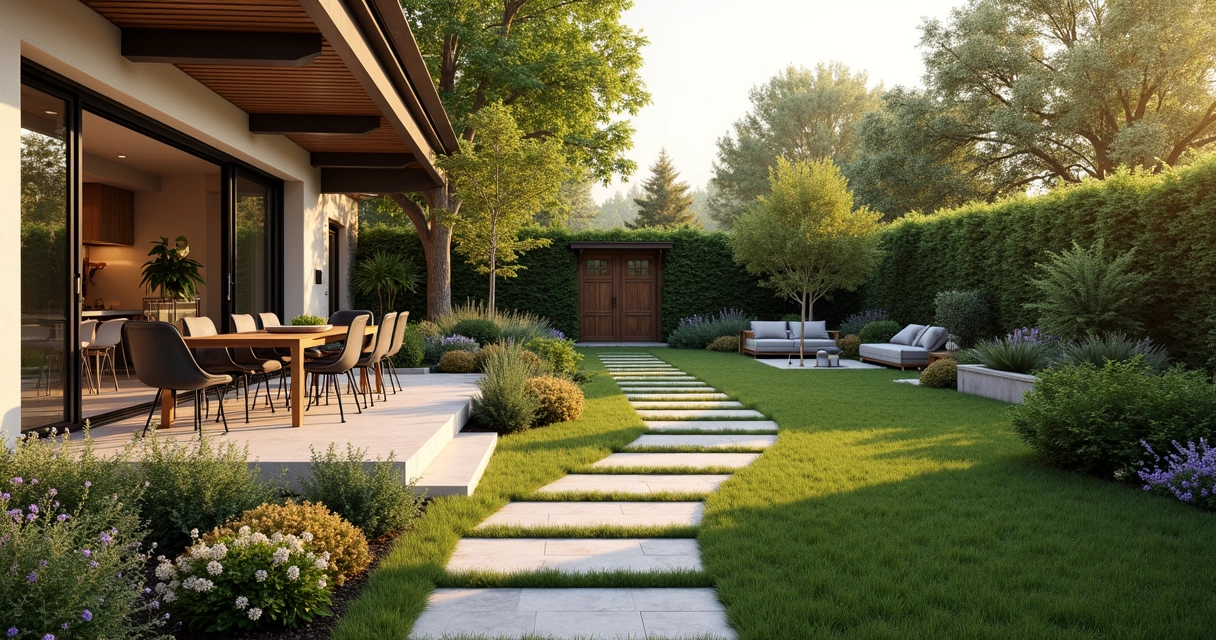
Sometimes, a glance at a 3D render makes what’s wrong jump right out. You might realize the fire pit placement forces guests to brush against thorny bushes, or that the dining chairs will tumble into a bed of hydrangeas with every movement. Small details like these can only be caught before you build if you can “see” the space as it will be used.
2. forgetting grading, drainage, and contours
This one’s a real heartbreaker. Nothing undoes hard work faster than water where it should never be—or a patio that feels like a tilted ship’s deck. Many homeowners are surprised when their brand-new hardscape becomes a pond after the first rain, or when the lawn never seems to thrive. Usually, this boils down to missed grading or drainage planning.
- Patios without slope that collect water right at the house’s foundation
- Pools or decks sited at the lowest point in the yard, turning into puddle magnets
- Plant beds placed in spots with compacted, soggy soil
According to recommendations from Oklahoma State University, an early rough plan should always account for site evaluation—including slopes, low points, and drainage paths. But it’s tempting to skip this step or to trust a flat 2D sketch, only to realize too late that water doesn’t cooperate with your imagination.
“Nature doesn’t ignore slopes, and neither should we.”
Urban Oasis uses advanced 3D tools to map your yard’s contours before any shovel breaks ground. With a digital model, it’s simple to show where water runs, where it stands, and which areas are natural candidates for rain gardens or dry creek beds. Instead of guessing—or worse, hoping—you start with facts. That saves money, plants, and the annoyance of hauling sandbags after every heavy storm.
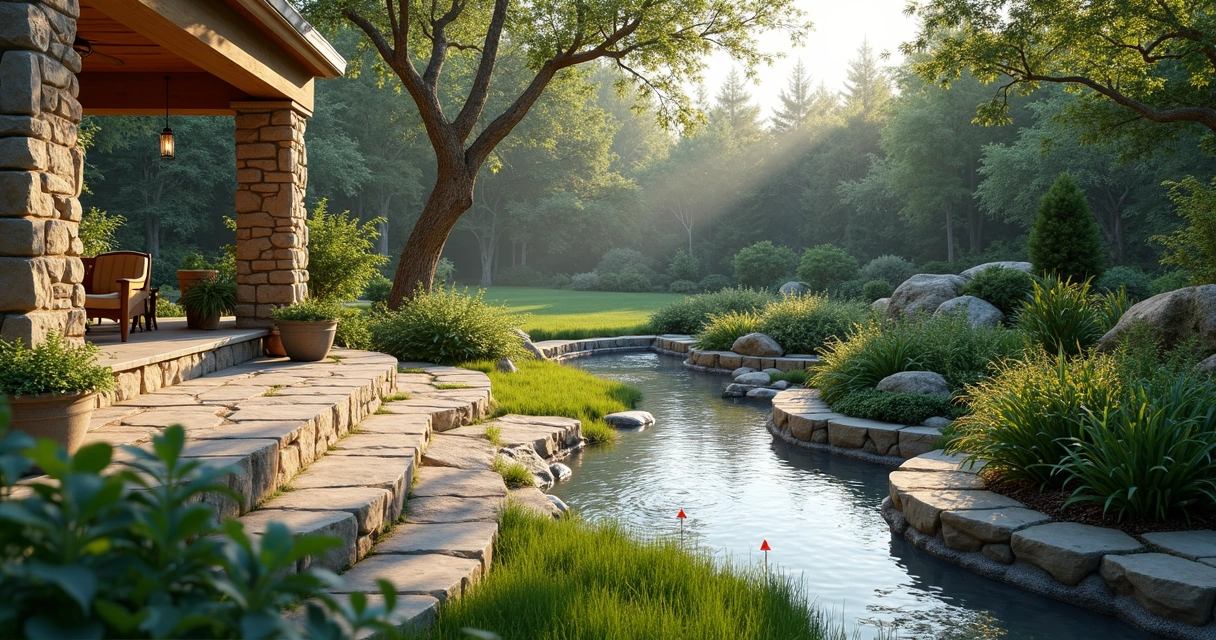
When you spot a drainage flaw in virtual reality, it’s just a few clicks to fix it. In reality? Corrections are labor-intensive and very expensive. At Urban Oasis, fixing grading digitally is step one—before boots hit the soil.
3. mismatched plant choices and poor placement
The thrill of the garden center is hard to resist. All those leafy promises in tiny pots! But maybe you’ve watched your favorite new shrub wither by the end of summer, or seen perennial beds shrink as plants crowd each other out. Every region, and every yard, has microclimates that affect which plants will shine (and which will sulk).
- Full-sun plants planted under big trees—destined to go spindly or never bloom
- Shade-loving ferns cooked to a crisp in bright, reflected light
- Fast-growing shrubs packed too closely together—they battle each other or swallow your lovely pathway
- Seasonal interest lost when everything booms at once, then fades for months
Guidance from Missouri Extension reminds us that a beautiful garden has unity and year-round appeal. These mistakes often happen because homeowners don’t plan with mature sizes or evolving sunlight in mind. A 2D sketch just shows circles. A 3D model? That helps you “walk” around and see every angle, at any season.
“Plants grow—your design should grow with them.”
Urban Oasis designs let you test dozens of plant combinations, shifting sunlight, and even years of growth. You can preview how a Japanese maple will eventually shade out the neighboring flower bed, or whether the lush privacy screen you crave will block your favorite sunset view. This clarity leads to better purchasing, lower plant mortality, and a garden that feels alive—not just one spring, but for every season.
If you want even more practical ideas about suitable plant selection and creating impact with less hassle, take a look at these low-maintenance landscaping suggestions for inspiration.
4. underestimating the value of hardscape integration
Adding nonliving features—decks, walls, pergolas, walkways, pools—offers huge character but comes with its own set of traps. When hardscape is an afterthought, it either overtakes the landscape (dominating it) or fades into irrelevance. The end result is often structural, expensive, and awkward to undo.
- Pergolas in odd corners where no one wants to linger
- Decks that meet the garden at an awkward angle
- Pathways that are too narrow for wheelbarrows, strollers, or just two people walking together
Hardscape features need to partner with plants, not fight them. The University of Florida outlines smart measuring techniques for mapping each structure’s position and scale. But when you use a digital design, you see how materials, shapes, and levels interact. Color palettes, stone patterns, even shadow at different times—these are all visible, tweakable options in a 3D project.
“Great design is where hard and soft elements feel at home together.”
With a 3D landscape vision, Urban Oasis clients try pergolas, fire pits, and garden steps anywhere—without a single jackhammer or regret. The model helps prevent layout mistakes that could cost thousands or more in concrete, wood, and time.
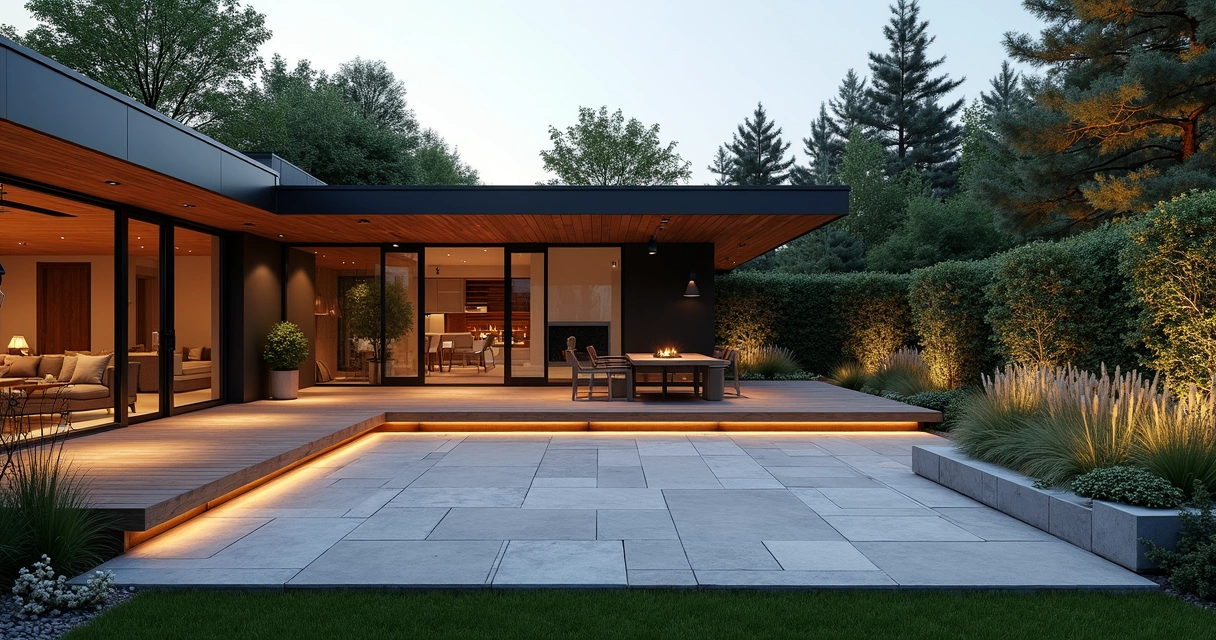
Want to dig deeper on hardscape integration and practical design tips? You can find detailed advice in the comprehensive landscaping guide by Urban Oasis.
5. letting impulse and assumption drive the process
It’s tempting to jump in and “figure it out as you go,” especially if you’re itching to be outside. Maybe a Pinterest idea looks great in someone else’s yard, but you don’t think through how your space is different. Or, a friend swears by a certain stone, but it clashes with your own house.
The common thread? Decisions driven by emotion, impulse, or untested ideas. Examples include:
- Choosing materials based on sales, not longevity
- Buying “just one more plant” several times—until the design feels crowded and random
- Avoiding professional design because of budget worries, then spending more to fix missteps
Guidance from the University of Florida suggests a measured approach, starting with surveys and sketches. But with a digital 3D plan, you make emotional decisions with a safety net. You can swap colors, adjust plant beds, cycle through furniture styles, and review every idea before even a single purchase.
Urban Oasis always encourages homeowners to pause, visualize, and tweak until the design is right. A 3D plan doesn’t hinder creativity—it expands it safely. Sometimes the most outlandish ideas look perfect… other times, not so much. Better to “see” first, than to regret later.
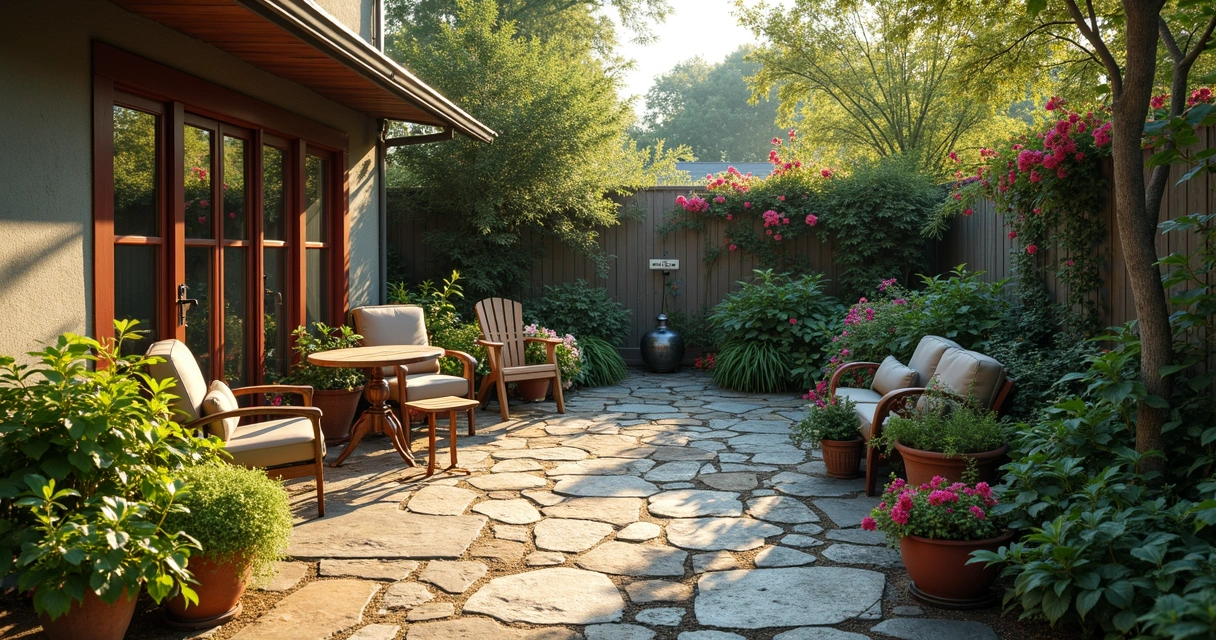
If you are considering taking the leap, you might want to check out practical steps towards successful, all-season garden design that start with mindful planning—not impulse buys.
Why 3D design makes all the difference
3D landscaping design makes the invisible visible. It helps you measure, adjust, and walk through your design virtually—before a single stone is placed or a tree is planted. Mistakes and mismatches that would cost thousands to fix in real life are caught and changed with a few clicks.
By reflecting real sun angles, plant growth, structural layout, and flow, 3D plans guarantee that what unfolds in your backyard matches the dream in your mind. The process also builds confidence—a sense of peace that “yes, this will work.”
More than anything, this step brings family and friends together in the planning process, not just the end result. Everyone can share their vision, suggest ideas, and feel invested. That’s what Urban Oasis means by creating not just a garden, but a place to live and make memories.
Conclusion: how to get started with peace of mind
Most outdoor mistakes are hard to fix after the fact, but simple to prevent with a clear, well-visualized plan. Seeing your ideas come to life with a 3D landscape design gives you the freedom to adjust, rethink, and avoid expensive regrets. At Urban Oasis, every project starts with this digital preview—saving time, money, and a whole lot of stress. If you’re tired of guesswork and want a backyard you’ll love for years, avoid the five common pitfalls above and start with a plan you can see, touch, and share.
Be patient. See first. Build second.
If you’re ready to make your outdoor dreams a reality, Urban Oasis is here to help. Discover more ideas in our landscaping blog category or take the first step to a space you’ll love—just fill out our form:
Frequently asked questions
What is a 3D landscape plan?
A 3D landscape plan is a digital rendering of your outdoor space that allows you to see the design from every angle before anything is built. It shows the placement of plants, patios, structures, and more, letting you “walk through” the space virtually. This helps you visualize size, scale, and the relationships between elements as they would exist in the real world.
Why should I use 3D landscaping design?
Using 3D landscaping design helps you anticipate problems before they turn into costly mistakes. You can test different layouts, correct grading and drainage issues, choose plants that work in each microclimate, and ensure every detail fits your way of living. It takes the guesswork out of planning and brings peace of mind that the end result will truly work for your needs.
What are common landscape planning mistakes?
Some of the most frequent mistakes include ignoring how people move through the space, not considering grading and water drainage, mismatching plant choices, failing to blend hardscape features, and relying too much on impulse rather than planning. Most of these can be prevented by thoughtful design and especially by visualizing everything in 3D before implementation.
How can I avoid landscaping errors?
Start with a clear plan. Conduct a thorough site evaluation, consider sun, shade, and water flow, and use digital tools like 3D renderings. This clarifies spacing, plant placement, hardscaping needs, and potential issues, allowing you to adjust before building. Working with a team like Urban Oasis, who prioritize clear communication and visualization, can make the process even smoother.
Is 3D landscape design worth the cost?
Yes. While there is an upfront investment, the savings from avoiding mistakes, unnecessary purchases, and expensive corrections often outweigh the cost. Plus, seeing your vision in detail before anything is built increases your confidence and ensures better results. According to studies, well-planned and visually appealing landscapes even increase property values—making 3D design a smart choice in the long run.