

Urban gardens are places of peace, but for those living where tornadoes can hit, there’s always that pause when weather alerts pop up. You see the sky change, winds swirl, and suddenly, the sanctuary is at risk. Yet, there’s a way to make outdoor spaces less fragile and far easier to revive. It’s possible to prepare your garden against the wildest weather without making it look like a bunker.
This article looks at how you can reshape your landscape to recover fast after severe winds. We’ll talk about plants that rebound quickly, structural designs that flex instead of break, and small changes that, bit by bit, make a big difference. Some ideas are drawn from the experience of projects like Urban Oasis, which merges technical care and style when transforming outdoor spaces.
Maybe some losses are inevitable. But a tornado-friendly garden means you’ll spend a lot less time starting over and a lot more time watching things come back to life before your eyes.
Why tornadoes devastate urban gardens
It’s sort of incredible how fast a tornado can unravel years of gardening. Trees aren’t just uprooted—they’re flung across blocks. Delicate flowers disappear under debris. Fences turn into splinters. Even hardscape features may shift or crack. It’s not just about the force of the wind. There’s flying debris, sudden pressure drops, flooding, and things you never think could move are tossed aside like toys.
Why is that? Most gardens and outdoor designs aren’t built with tornadoes in mind. Rows of upright plants, tall fences, top-heavy trees—all vulnerable. Without some thoughtful choices, a beautiful green space can go from pride-of-place to patch of wreckage in minutes.
The best recovery is already in the design.
But what if you could shape your outdoor space for both beauty and bounce-back? You’d get home after the storm, see crushed mulch, scattered branches, and already—new shoots poking up. Less shock, more hope.
What makes a tornado-ready garden?
You can’t exactly tornado-proof a garden, but you can make one that rebounds naturally. The secret is combining certain qualities:
- Low profile: Plants and structures closer to the ground fare better.
- Elasticity: Materials that bend, not snap.
- Dense roots: Roots gripping the soil stay put.
- Fast regrowth: Some species regrow astonishingly quickly after trauma.
- Diversified layout: Spread out risk, so one calamity doesn’t take everything.
Urban Oasis often recommends assessing both function and form. Think about where you relax, how you use your yard, and what matters most when something gets damaged. Quick-recovery strategies are about smart trade-offs. Maybe you swap a tall, showy tree for a cluster of smaller, resilient shrubs. Or you use flexible supports that deflect wind, rather than stand against it.
Choosing resilient plants: the science behind fast recovery
The heart of a tornado-tough garden lies in plant choice. Several studies, such as those from organizations focused on plant selection for windy environments, suggest looking for a few common traits:
- Flexible stems or trunks
- Small, waxy leaves (they catch less wind and lose less water)
- Dense, deep root systems
- Low-growing habit
- Fast regenerative ability (shoots or runners after damage)
There’s beauty in restraint. Short, dense plants often stand up best, then come roaring back with new growth when the storm passes. Some, like ornamental grasses, almost look better after being trimmed by the wind. Others, like certain shrubs or groundcovers, can lose foliage and bounce back, nearly unchanged.
 For stunning results in unpredictable climates, see examples of low-maintenance and high-impact gardens suited for all kinds of weather challenges.
Here is a list of plants commonly chosen for quick regrowth and wind resistance:
- Ornamental grasses: blue fescue, fountain grass, switch grass
- Low shrubs: lavender, rosemary, boxwood, dwarf yaupon
- Groundcovers: creeping thyme, sedum, mondo grass
- Perennials: daylilies, coneflowers, salvia
Each of these, with regular care, springs back after wind damage. Some spread via underground stems; others reroot when broken—or simply flower again, as if nothing happened.
Trees for urban tornado zones
Trees are a gamble in tornado country. Still, urban shade is valuable. For those who want real canopies rather than just shrubs, certain tree types fare better. According to studies on wind-resistant trees, key qualities include deep roots and branches that flex easily.
- Live oak: roots deep, broad crown, flexible wood
- Sabal palm: naturally adapted to hurricanes
- Southern magnolia: can bend, tolerates limb loss
- Redbud: smaller, bends before breaking
- American holly: remains dense, doesn’t snap easily
These aren’t immune, of course. But they survive more storms than most, and they won’t send as much debris flying. Local plantings are usually guided by municipal suggestions, but this list works in many American tornado-prone regions.
Flexible structures and urban hardscapes
Urban gardens aren’t just plants. Decks, pergolas, fences, and pavilions—these shape outdoor living. Traditional wooden fences and rigid pergolas don’t mix well with tornadoes. Instead, flexible design can save money and heartbreak later.
An interesting research angle involves the use of elastic geodesic grids. These structures can absorb impact and flex under stress, serving as supports or even aesthetic features. Instead of shattering, they deform, then spring back. For smaller gardens, retractable shade sails, cable railings, or even mesh windbreaks provide protection without becoming hazardous in high winds.
 When Urban Oasis designs outdoor spaces, materials are chosen for both look and longevity. Aluminum framing, composite decking, anchored benches—these move less and last longer than untreated wood. Even the smallest details count: ground-level planters, pebbled paths, and modular seating can easily be moved or reset after a storm.
Here are some design shifts to consider for tornado‑prone neighborhoods:
- Short, openwork fences instead of solid panels
- Living “green” walls made of interwoven plants or vines
- Ground-level patios and decks
- Retractable or shock-absorbing shade systems
- Flexible trellises for climbing plants
All these choices reduce the risk of airborne debris, and make for faster, cheaper recovery.
Layout matters: a garden that breaks, not shatters
If you picture a traditional front yard, there are broad lawns and tall trees. Those areas act like sails in strong wind. In a tornado-adapted landscape, the approach is different. Groupings of smaller shrubs, scattered flowerbeds, wide paths, and curved lines help break up and slow down air currents.
Staggering plant heights helps too. Tallest at the center or in clusters, stepping down to low, tough groundcovers at the edges. Mulch and gravel slow erosion and keep soil from blowing away. Raised beds—when low and sturdy—protect roots and can also drain quickly after heavy rain.
No garden is unbreakable, but damage can be gentle, not total.
Perhaps fences aren’t needed everywhere. Dense hedges or willow screens, rooted deep, can act as natural windbreaks. If there’s a patio or seating area, nestling it among thick, resilient plantings keeps debris to a minimum and gives a sense of security. Projects like Urban Oasis often suggest layouts that create “wind shadows”—protected spots where people (and plants) feel the calm even when the weather isn’t.
From devastation to recovery: stories from the field
When tornadoes strike, even the best gardens suffer. But the difference with a thoughtfully planned design? Recovery starts before you even sweep the walk.
Think of a family in a midsize city who lost most of their mature shade trees in a spring tornado. They’d chosen to plant a broad belt of liriope, creeping juniper, and blue fescue. The large oaks fell, but that ground-level layer filled back in within weeks. Wildflowers reseeded. Within a month, the lawn was patchy but alive, and the kids were playing outside again.
Or an urban plaza with bands of ornamental grasses that looked flattened the morning after a storm. By the next weekend, most had righted themselves, looking wind-swept but oddly elegant against the low, modern benches. The design intent—mixing beauty and flexibility—became obvious.
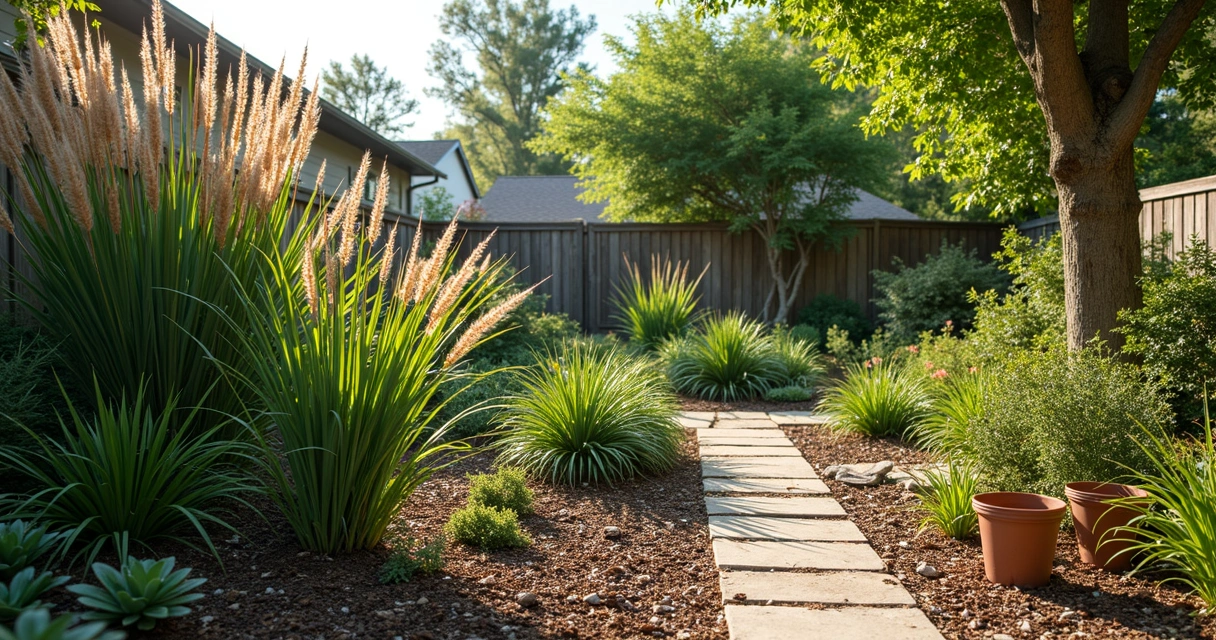 Changes like these don’t happen by accident. They’re the sum of many small decisions—each one chosen with regrowth in mind.
Maintenance: small tasks, big results
Even tornado‑ready plants and structures benefit from routine care. Pruning shrubs for density helps them shrug off wind. Well-watered roots grip soil better. Monitoring for signs of plant shock after a storm event gives you a chance to help recovery along. Sometimes you need to cut back broken stems or choose to leave some leaf litter as protective mulch.
Urban Oasis suggests a seasonal walk-through, checking not only for storm debris but also weak growth, loose footings, or drainage issues. Mulch once or twice a year. If anything is tilting or cracking, reset it before the next season. And honestly, the occasional mess is normal. Gardens heal themselves best when given an early hand. See more tips on easier yard upkeep in the lawn and gardening guides Urban Oasis has prepared.
Prepare before storms and respond after
In tornado-prone regions, a few habits make a difference:
- Cut back tall grasses and thin treetops before storm season
- Store or tie down loose furniture and planters
- Secure trellises and flexible structures to robust anchors
- After a storm, clean up gently—roots and stems under stress need time
- Add compost to encourage new growth where damage was severe
More detailed guides on plant choices for weather extremes, including which perennials and shrubs are best adapted to cold snaps and wind, appear in the Texas spring weather guide.
Urban Oasis: a steady hand amid storms
When it comes to creating landscapes that balance comfort, elegance, and storm resilience, there’s no single template. Projects like Urban Oasis focus on the details: choosing rooted species, using flexible structural materials, and planning layouts that catch the eye but stand up to stress. For clients, that means fewer losses and faster recovery. Over the years, gardens designed for the harshest weather become not only more beautiful, but also stories of survival.
 Want to craft an outdoor area that is both a haven and a comeback story after the worst winds? Urban Oasis can help create a plan just for you—one that matches your needs, budget, and hopes for your garden’s future.
Conclusion
Maybe weather will always surprise us. But gardens can be ready. When you choose fast-recovering plants, flexible structures, and a layout that lets nature do some of the work, the next big storm loses its power to undo years of effort. Urban Oasis stands ready to help with these choices—each one making your outdoor space a story of resilience, not loss. Ready to see your own space next season, no matter what the clouds bring? Fill out the form and look forward to a garden that always returns.
Frequently asked questions
What is tornado resistant landscaping?
Tornado resistant landscaping is about designing gardens or outdoor areas to minimize damage from tornadoes and strong winds. The focus is on picking low-growing, flexible plants, arranging them to break up wind patterns, and choosing structures or materials that bend or withstand being hit by debris. It’s not about making a garden indestructible—just one that bounces back fast, so you aren’t left with a patch of bare soil.
How do I make my garden tornado-proof?
No space is entirely tornado-proof, but you can make your garden more resilient by planting wind-resistant species like ornamental grasses, low shrubs, and groundcovers that bounce back quickly. Use flexible materials for structures—a mesh or grid can flex better than a solid fence. Group plants in mixed heights, keep furniture and pots low and anchored, and avoid tall, weak-wooded trees. Preparing before storm season and quick clean-up after also really help. For extra tips, explore the full range of plant choices for resilience on the Urban Oasis blog.
Which plants recover fastest after tornadoes?
Flexible, low-rooted plants often recover best. Examples include ornamental grasses like blue fescue and switch grass, groundcovers such as creeping thyme and mondo grass, and sturdy shrubs like lavender or rosemary. Trees with deep roots and flexible branches, like live oak and sabal palm, also tend to survive well. For inspiration, see advice on picking plants for a windy yard that thrive in tough conditions.
Is it worth investing in storm-resistant gardens?
Yes, especially in tornado-prone areas. The right plants and flexible designs mean less costly and time-consuming repairs after storms. It can be the difference between patching up a few spots and redoing your whole outdoor area. Plus, a resilient garden looks good and feels safe, even after wild weather. The stories of families whose gardens green up weeks after a tornado show the investment pays off, not just in money—but in peace of mind.
Where to find tornado-tough plants locally?
Start with regional plant lists and consult local nurseries for species already adapted to your community’s weather. Most garden centers in tornado belts have selections of wind-resistant shrubs, groundcovers, and trees. For even more tailored recommendations, connect with a design firm like Urban Oasis, which can adapt selections and layouts to your lifestyle and existing conditions. And for more ongoing ideas, keep an eye on lawn and gardening resources or local extension programs for your region.