

The leaden sky presses low. The wind, restless, tugs at leaves and whispers of storms to come. For many residents living near coasts or in hurricane-prone regions, this is the unsettling rhythm that marks the arrival of another tropical season. If you’ve ever watched swirling clouds approach, wondering if your landscape will hold, you know how fragile the border between calm and chaos can be.
A yard is more than grass and trees. It’s the space where families gather, children play, and quiet evenings settle in after a day’s work. But when hurricanes loom, our outdoor havens are put to the ultimate test.
Here’s a guide—not a blueprint, but a real, lived roadmap—on how real people, just like you, can take thoughtful steps in preparing their yards for whatever storm the season brings. Urban Oasis has made it their purpose to help clients rethink outdoor spaces, not just for beauty but for lasting strength and resilience. These lessons blend science, design, and a personal touch, grounding your landscape for the tempests ahead.
Sometimes, just one change can save a garden from disaster.
Understanding the storm: what makes tropical weather so tough on yards
Tropical storms and hurricanes unleash a unique set of challenges on our landscapes. High winds tear at branches and toss loose objects. Intense rains saturate the ground, flooding low spots and undermining roots. Salt spray can burn foliage, while debris chokes drains. Even the hardiest gardens can be toppled if not prepared for these extremes.
Why does this matter so much? Healthy landscapes can actually shield homes and families. Rooted trees—if well chosen and cared-for—stand against the wind, while sturdy shrubs and groundcovers slow rainwater, helping to prevent erosion and flood damage.
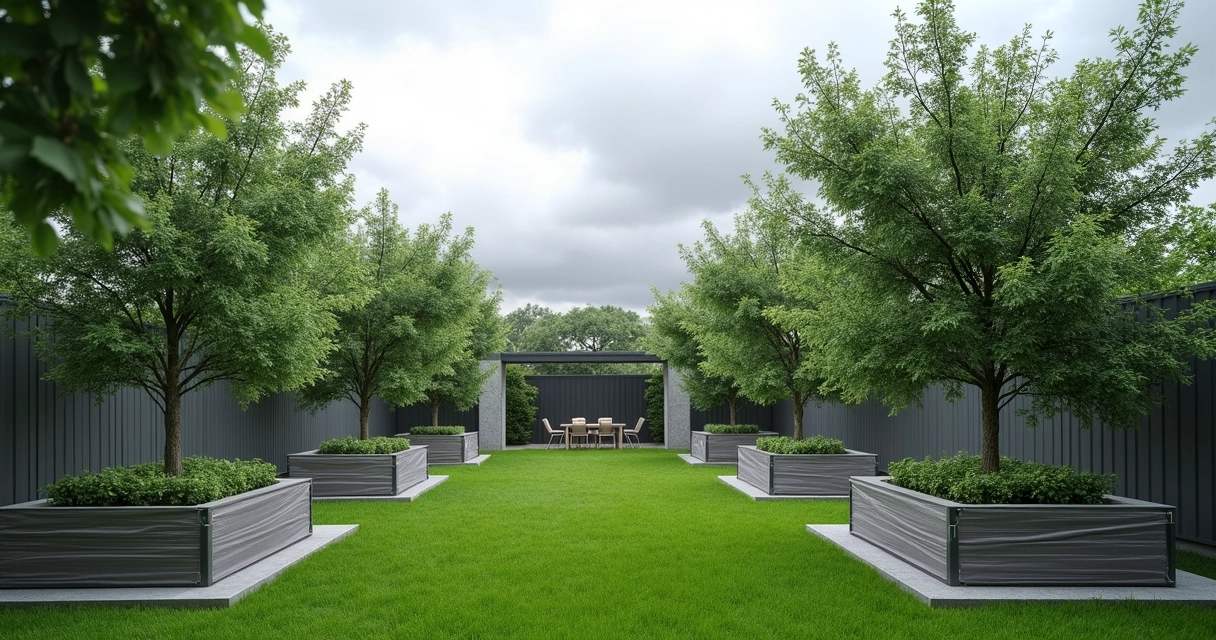 Let’s look at how yards fail in storms, and what, step by step, you can actually do about it.
- Wind uproots shallow-rooted or poorly pruned trees.
- Heavy rain floods areas where water cannot drain quickly.
- Debris clogs stormwater inlets and channels.
- Flying objects cause secondary damage to plants, windows, and walls.
There’s no such thing as making any property completely stormproof. But your choices—right plant, right place, right care—can mean the difference between landscape heartbreak and a yard that weathers the season, year after year.
Choosing the right plantings: species and placement for storm protection
Not all trees and shrubs are equal when it comes to wind and storms. The University of Florida’s guide on hurricane landscaping and their ongoing research suggest that the best defense is thinking ahead. Species selection can reduce risk, as can considering where and how plants are arranged.
Trees: picking the ones that hold their ground
Imagine the difference between a shallow-rooted pine and a deep, broad-rooted live oak. One will tip easily in mud, pushed by the wind like a paper cup. The other digs powerfully into the earth, its limbs flexible, able to give and recover without breaking.
- Strong candidates for windy climates: live oak, bald cypress, and sable palm
- More brittle, higher-risk trees: sand pine, Australian pine, laurel oak
- Avoid overly top-heavy, densely branched trees that catch the wind easily
It’s not all about tree species. According to Southwest Florida Water Management District guidance, grouping trees together—rather than isolating them—actually helps them resist strong winds better. Groups create mutual support, causing winds to swirl above and around rather than tearing directly through.
- When you plant, aim for clusters of 5–7 trees of similar height.
- For existing stands, thin out only what’s truly hazardous.
Some people wonder why their favorite magnolia or palm didn’t survive the last storm. The answer might be its placement, not just its species. A tree sheltered on the leeward side of a building or grouped with friends often fares much better than a lone sentinel facing open wind.
Shrubs and smaller plants: storm cushions
While trees get all the attention, shrubs and hedges quietly form a buffer, breaking gusts and deflecting debris. Dense, low-growing varieties—think wax myrtle, podocarpus, or Indian hawthorn—handle storms with more grace.
- Plant hedges along vulnerable fence lines and property borders.
- Use groundcovers like asiatic jasmine or perennial peanut to anchor soil, preventing erosion.
- Choose salt-tolerant shrubs near the coast, where wind-driven spray will burn leaves not made for the challenge.
The team at Urban Oasis has worked with many homeowners who simply didn’t realize the value of groundcover for storm preparation. Spaces once left bare or filled with gravel became the secret heroes when healthy green mats kept water moving and soil in place.
 Smart pruning and maintenance: helping plants survive the winds
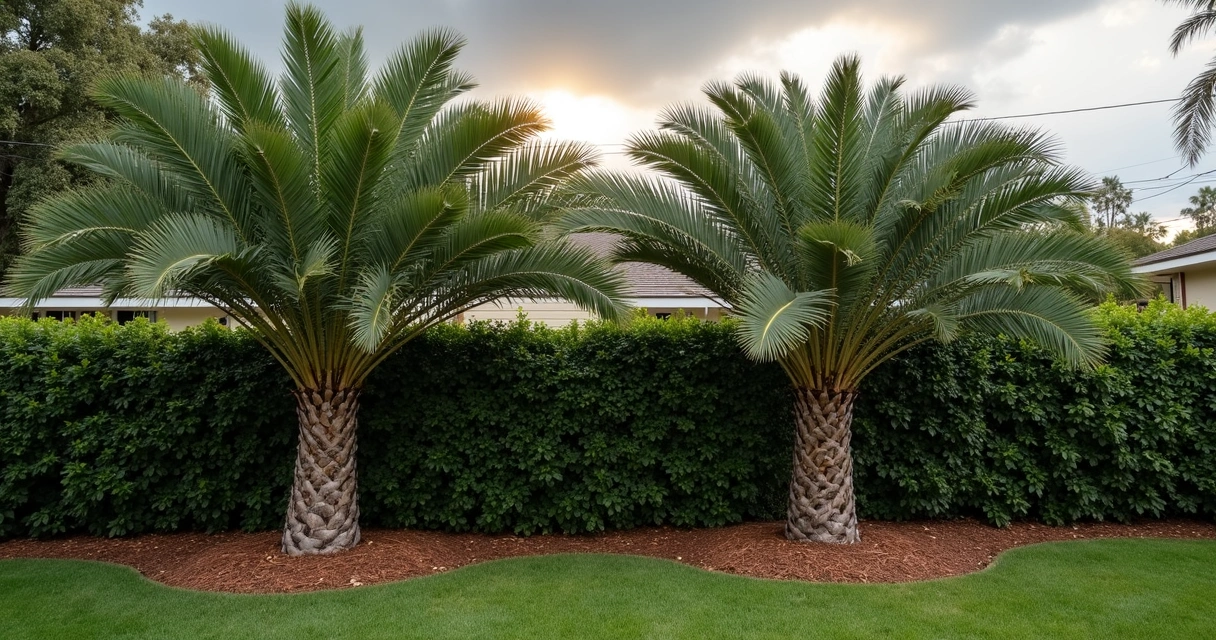 Smart pruning and maintenance: helping plants survive the winds
Annual pruning isn’t just about neatness, it’s about safety. The University of Florida blog on hurricanes and resilient landscaping points out that trees pruned to remove weak branches, double leaders, or crowded canopies fare far better in storms. Done right, pruning lets the wind pass through rather than breaking limbs or tearing entire trees from the ground.
But caution—there’s a difference between thinning for strength and topping, which can actually make trees more dangerous. The best approach is strategic, light but regular handiwork.
Here’s a quick pruning checklist for storm prep:
- Remove dead, broken, or touching branches
- Identify and correct co-dominant leads (two trunks from one root system) early in a tree’s life
- Raise the canopy slightly so wind can flow through, not fight every limb
- Keep branches away from roofs, wires, and windows
One neighbor I know spent a sweaty afternoon pruning her old camphor and was surprised when that tree barely lost a twig in the hurricane that followed—even as unpruned trees two houses away split under pressure.
Proper staking also matters for young trees. Staked too rigidly, young trees may break at the restraint point. Staked too loose, they tip over entirely. The balance is, as always, somewhere in between. Allow a little wiggle, but not so much the roots move.
Hardscaping and stormwater management: holding the ground
Landscapes are a mixture of soft and hard: grass, trees, leaves—but also walkways, retaining walls, and decks. All of these features play a part when tropic weather rages.
Retaining walls, for instance, serve as bulwarks against flooding. Properly constructed, they shape the land, channel away runoff, and protect prized plantings. Urban Oasis often works with custom walls for yards on slopes, making sure water neither pools nor rushes dangerously toward the home. For a deeper look into well-engineered outdoor structures, the retaining walls resource outlines methods and materials that last.
Patios and decks should be securely anchored, with gaps that allow water—or even wind—to pass rather than pile up underneath and cause damage. Permeable pavers, gravel paths, or wide-set stones all work well to keep rainwater moving.
Stormwater systems deserve a closer look too. Simple drain cleaning, installing French drains, or grading lawns so water moves away from buildings are tiny tasks that build real resilience. The reality is, in hurricane season, a blocked outlet or tipped gutter is often the start of major flood issues.
Hard surfaces channel rain. Green spaces absorb the shock.
For a full understanding of integrating hardscapes for strength and safety, you can find a practical overview in Urban Oasis’s hardscape services.
Storm drains and swales: invisible heroes
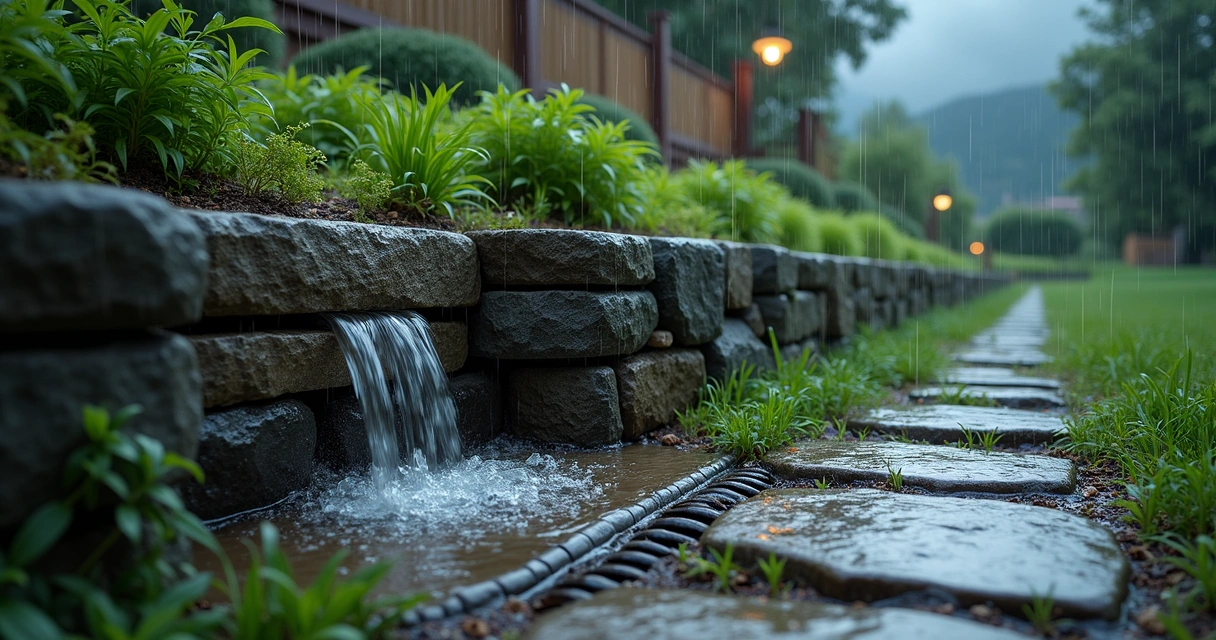 Storm drains and swales: invisible heroes
Swales—those gentle, grassed ditches snaking along property lines—can catch and slow runoff, protecting sod and topsoil. Storm drains, often overlooked until clogged, keep basements dry and roots healthy. A Saturday spent raking leaves from grate covers really can save a landscape.
Securing the loose ends: furniture, tools, and more
The list of storm threats isn’t limited to things rooted in the ground. Above ground, everything becomes a potential projectile. Outdoor furniture, grills, potted plants, wind chimes, children’s toys—each becomes dangerous when the wind ramps up.
- Anchor or temporarily store patio furniture and umbrellas under cover before the first warning.
- Use heavy weights or bungee cords to secure lighter items like planters and garden décor.
- Stack and tie down lumber or construction supplies if you’re in the midst of a project.
- Place small potted plants inside the garage or sheltered porch; it’s quick and saves both plants and windows.
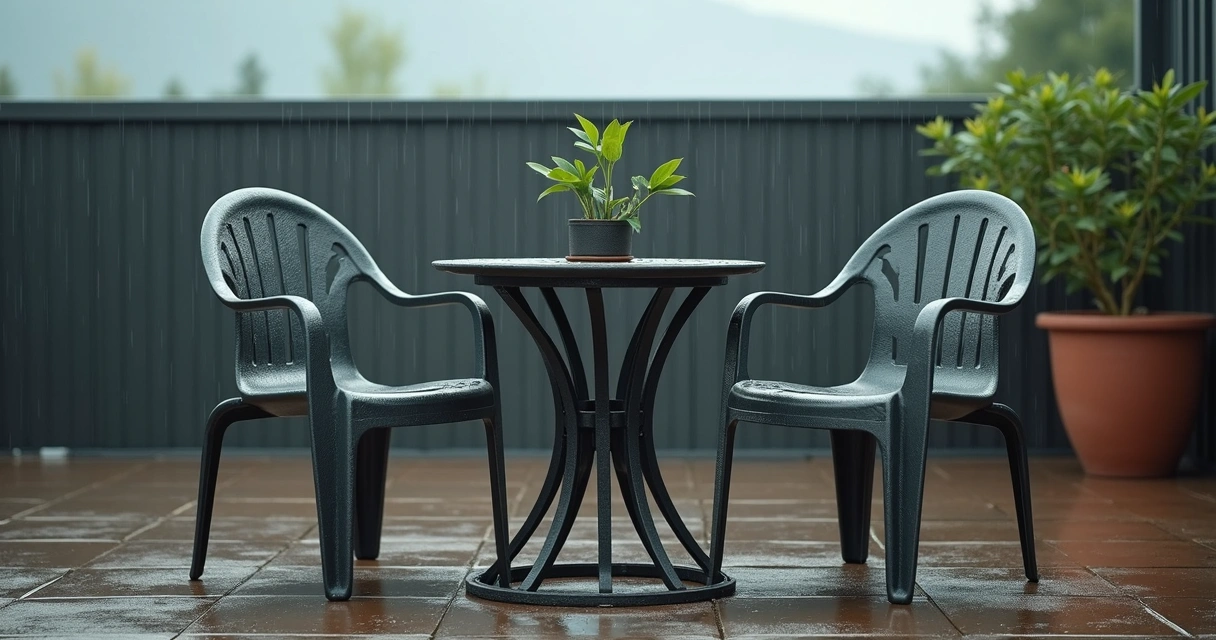 A forgotten chair can shatter glass—or worse.
Urban Oasis regularly advises clients on creating storage spaces that blend into landscape design. A simple weatherproof shed or bench with a storage compartment turns out to be worth its weight when a storm warning blares.
Budgeting and planning: working within reach
Perhaps the hardest truth: not everything can be done at once.
Many people pause, eye the “to do” list, and feel overwhelmed. And then, some never get started at all. If budgets are tight, prioritize the most at-risk areas:
- Hazardous or unsteady trees that threaten roofs or power lines
- Poor drainage spots prone to flooding
- Securing outdoor objects and debris generators
- Regular pruning and mulching vulnerable root zones
Solid planning is as valuable as deep pockets. Urban Oasis has seen many clients dedicate a bit each season—not a fortune all at once, but thoughtful progress—rebuilding their yard’s strength piece by piece.
The role of sustainability and native selections
Nature knows how to adapt, if we listen. Native and low-maintenance plants, chosen to match local rainfall and soil, adapt quickly and usually recover better from storms. Deep-rooted grasses, local perennials, and regionally adapted shrubs ask for less chemical input and bounce back after high winds and battered leaves.
Sustainable choices do more than just survive—their resilience makes for fewer repairs after storms, less debris to haul away, and lower clean-up costs. If you need practical, long-term ideas, Urban Oasis recommends reading their landscaping guide techniques and benefits for crafting a yard that meets both personal style and nature’s demands.
Sometimes, the best plants are ones already growing in your neighbor’s yard.
Mulching can make a difference too, but skip heavy stones or big bark chunks in exposed areas. Pine straw, shredded bark, or composted leaf mulch stays put better during strong winds and heavy rain. It keeps the ground cool, roots hydrated, and prevents erosion, all while slowly breaking down to keep soil healthy.
Act early: timing your storm prep
The best time to reinforce a landscape is long before you hear that familiar note of worry in the weather forecast. Wait too long, and stress amplifies: schedules clash, supplies run out, services get busy.
A practical action plan:
- Late winter or early spring: Evaluate, prune, mulch, repair drainage systems. Schedule major tree work.
- Late spring: Re-check for loose objects, dead wood, clogged drains.
- A week before peak storm season: Bring in furniture, finish last-minute fixes, double-check everything.
Consistent care over the months can make hurricane preparation less of a mad dash and more of a habit. For inspiration on steady, seasonal yard care, you’ll find relatable advice in this resource on year-round landscape success.
DIY vs professional help: knowing your limits
Some projects fit squarely in the homeowner’s hands. Pruning low branches, cleaning drains, bringing in planters and grills—these are quick wins that add up. But other work, like tree removal, major wall or drainage construction, or large-scale re-landscaping is best handled by experts.
Urban Oasis finds that the best results come from collaboration: homeowners handle everyday care, while professionals step in for design, heavy lifting, and technical builds that raise the ceiling of what’s possible in storm protection. If you want to tinker with your yard, great. But don’t hesitate to call for backup when the task feels bigger—or riskier—than you want to face alone.
Cleanup and recovering after a storm
When the wind dies, new challenges appear. Branches are scattered everywhere, fences might be toppled, and sometimes even your best efforts can’t prevent loss. Don’t rush—safety first.
- Check for downed power lines or unstable trees before you enter the yard.
- Remove debris carefully; it often hides nails, glass, or other sharp items.
- Prune damaged limbs back to the trunk; resist the urge to “trim” green, healthy branches just because they look weathered.
- Don’t fertilize or prune heavily right away—give plants a week or two to recover and show what needs attention.
- Call in professional help if a large tree is leaning or roots are exposed.
Replanting is part of recovery too. Many people are shocked at how fast a healthy landscape will recover if given patience and the right care. And for lawns that have seen better days, ideas and advice abound at Urban Oasis’s lawn and gardening section.
A storm may flatten a bed, but roots often live on.
Final thoughts: stronger, safer, and still beautiful
Tropical storm landscaping preparation isn’t just a list of chores—it’s something like making an old promise to your home and garden. The world outside the window is wild, but the way you plant and care for your landscape makes all the difference when the wind arrives.
The real victory isn’t just in preventing every single branch from breaking. Instead, it’s about creating a yard that bounces back, protects what matters, and stays inviting through seasons of calm and crisis. Projects like Urban Oasis remind us that resilience and intention go hand in hand, not only preserving outdoor spaces but shaping them for connection and renewal.
If you’re considering reinforcing your own yard before hurricane season, remember: Each choice, no matter how small, writes one more line in your home’s story of resilience.
A strong yard shelters more than just plants—it shelters memories.
Ready to protect your landscape or dreaming of a safer, more beautiful outdoor space? Connect with Urban Oasis. Fill out the short form below and discover how together, we can design an outdoor environment tailored for you—built to weather any storm.
Frequently asked questions
What is storm-resistant yard landscaping?
Storm-resistant landscaping refers to designing yards with features and plants that stand up well against harsh weather. It often means using trees with deep roots, shrubs that can bend without breaking, and groundcovers that keep soil in place during heavy rain. Good storm-resistant yards also manage water smartly, use retaining walls if needed, and limit the number of things in the yard that might blow away in strong winds. The goal is to create a landscape that will protect your home and recover quickly after intense weather events. Much of this can be found in yard designs and service projects inspired by Urban Oasis’s approach.
How to secure plants before hurricanes?
To secure plants before hurricanes, start by staking new or small trees so they can’t easily tip. Remove hanging baskets and light pots and bring them indoors or into a sheltered space. For taller shrubs or top-heavy flowers, tying them loosely to a sturdy stake can give extra support. Prune dead or weak branches from all trees and shrubs to allow wind to move through more easily, rather than snapping limbs off. Mulch around roots to stop soil from washing away, but use lighter organic material that won’t become flying debris. It’s a mix of bringing vulnerable items in, tying down what you can, and giving plants just the right support.
What trees are best for windy areas?
Windy areas call for trees that bend instead of break, and that have roots running deep rather than shallow. Live oaks, bald cypress, and sable palms have proven strong track records in hurricane-prone zones, according to the University of Florida’s hurricane landscaping studies. These trees tend to have flexible branches and stable root systems. It is usually better to plant them in groups rather than alone, as they support each other during storms. Avoid planting trees with dense, brittle wood or those known to drop large limbs in wind, like laurel oak or sand pine.
Is it worth removing large trees?
Removing big trees isn’t a simple yes or no. If a large tree has healthy roots, no sign of disease, and is well away from buildings, it might actually help block wind and reduce storm damage. But if a tree leans, has visible root damage, or hangs over your roof, the risk often outweighs the benefit. Some people find it hard to cut down a well-loved shade tree, but safety has to come first in some cases. Before taking out any mature tree, it’s a good idea to get a certified arborist or experienced landscape professional, like those at Urban Oasis, to weigh in.
How can I minimize storm debris?
Reducing storm debris begins with your choice of plants—pick resilient trees and shrubs less prone to breaking up in wind. Regularly pruning dead branches and thinning crowded areas stops weak wood from falling. Keep gutters, drains, and swales clear of leaves and litter before storms hit. Secure loose items (furniture, planters, decorations) or bring them inside. Using lighter, shreddable mulch rather than stones in high-wind areas helps as well. After the storm, tackle cleanup with care, watching for hidden sharp items and unstable trees. Keeping up with routine maintenance as described in seasonal yard care guides will mean less to deal with when a storm finally passes.