

Winter in Austin is a season full of subtle transitions. It rarely brings harsh, snowy conditions, but the shift in temperature, sunlight, and rain patterns can transform outdoor environments. For those passionate about their gardens—or for anyone aiming to embrace a more sustainable lifestyle—this is a time to think carefully about water. In central Texas, each drop is precious, rain is unpredictable, and dry spells may sneak in even when you least expect them. At Urban Oasis, we know the winter season is the perfect opportunity to implement smarter irrigation, rethink plant choices, and bring new life to your landscape without wastefulness.
But how can you achieve a beautiful, inviting garden in the winter months while still being mindful of resources? This article will walk you through the principles, choices, and daily actions that make winter water-conscious landscaping not just possible, but rewarding—and even practical for busy city dwellers. Whether you’re a seasoned gardener or simply seeking better ways to use water in your Austin yard, let’s unravel what it means to practice water-wise design, especially when the temperature drops.
In winter, less really can be more.
Understanding winter in austin: climate and water needs
Anyone living in Austin or the Hill Country region knows how variable winter weather can be. Some seasons bring gentle, soaking rains. Others roll out cool, sunny stretches with only a few scattered showers. The city’s winter averages low to mid-60s during the day and can occasionally dip close to freezing at night. This unpredictability means our gardens are often caught between thirst and oversaturation.
According to USGS water-use pattern studies, irrigation across the United States—Texas included—fluctuates considerably month-to-month. In fact, winters are usually marked by a drastic dip in irrigation requirements, but not a complete halt. This seasonal pattern informs the very core of water-wise winter gardening in central Texas.
- Colder temperatures slow plant growth and reduce evaporation from soil.
- Native and drought-resistant plants often go dormant, needing minimal water.
- Occasional freezes require protection for sensitive species but rarely demand heavy watering.
- Rainfall is inconsistent; some winters can be surprisingly dry.
With these shifts, it’s crucial to adapt irrigation and garden care strategies. Pouring the same amount of water in December as you did in July is not just unnecessary—it can be harmful to your landscape and wallet.
Principles of water-wise winter design
Water-wise gardening is not about deprivation. It’s about using water where it truly matters, reducing waste, and nurturing soil health so your garden thrives even in lean months. This philosophy is woven into every Urban Oasis design, merging aesthetic goals with eco-friendly principles. In winter, it starts with observation and a willingness to adjust routine.
Choosing the right plants for winter sustainability
Plant selection determines how much water you’ll need when the days get short and nights turn chilly. For urban and suburban yards in Austin, native and adapted plants are your secret allies. They’ve evolved in step with local climates and often require very little assistance in winter. This approach is thoroughly discussed in our collection of low-water landscaping ideas.
- Evergreens and cold-hardy perennials maintain structure and subtle color through winter but don’t need frequent irrigation.
- Deciduous trees lose their leaves, entering a state where water needs are at their lowest.
- Grasses like Muhly and Buffalo grass survive dry winters and quickly recover when spring rain returns.
- Groundcovers such as sedges and creeping juniper protect soil and reduce evaporation.
By selecting a diverse palette suited to Austin’s climate, you build a landscape that doesn’t just endure winter—but celebrates it with subtle beauty while conserving resources.
Soil health: the base of sustainable winter gardens
Soil is overlooked far too often. Yet, healthy soil—rich in organic matter, full of microbial life, and covered with mulch—acts much like a sponge. It absorbs rain, slows runoff, and holds moisture just where your plants need it. In winter, maintaining good soil means:
- Adding a layer of organic mulch to soil that is bare, which helps lock in moisture and insulates roots from sudden cold snaps.
- Testing drainage by soaking the soil—if puddles linger, you may need to amend and aerate for better winter performance.
- Resisting the urge to over-till, since tilling breaks up underground networks that help manage water naturally.
A commitment to soil health pays off all year, but the benefits are never clearer than in the dormant months.
Rethinking irrigation for winter efficiency
Urban Oasis pays close attention to irrigation system design, especially during winter. You don’t need full cycles every week, and in many cases, you can let rain do most of the work. According to USDA irrigation and water management data, advanced irrigation systems and better scheduling have steadily reduced the water use needed in cold months.
At its core, water-wise winter irrigation means:
- Checking forecasts and rain sensors before running any system.
- Reducing frequency—sometimes twice a month is enough for established landscapes.
- Watering in the morning when temperatures are above freezing to avoid icing.
- Inspecting for leaks or clogs; cold weather can make plastic brittle or force roots into pipes seeking warmth.
- Turning off systems completely when the soil is moist and there’s no drought.
This might sound simple, but consistency is what makes the difference. Each small step adds up to significant savings in both water and stress on your garden.
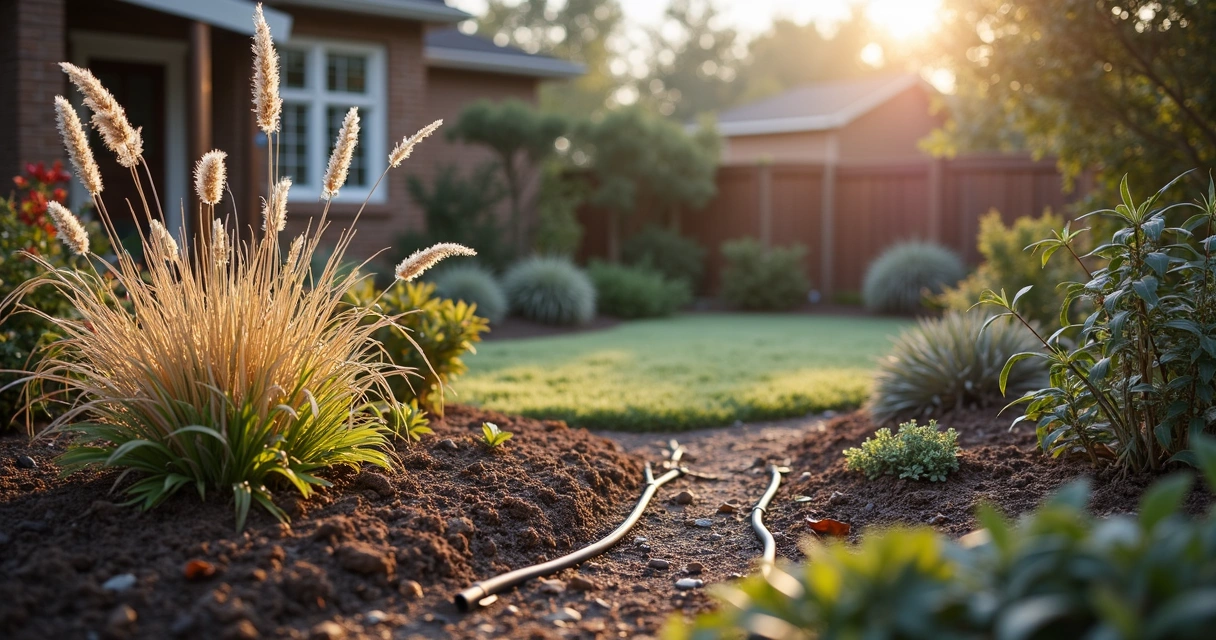
Austin’s water reality: why winter conservation matters
Austin may seem green year-round, but that takes intention. The USDA Economic Research Service reports that more than half of all irrigation water across the U.S. is sourced from surface supplies—streams, lakes, and reservoirs. Pressure from population growth and extended droughts puts a strain on these systems. In winter, outdoor watering accounts for a smaller portion of overall use, yet wasteful practices add up, especially if repeated across thousands of homes and businesses.
Plus, soil is less thirsty, turf goes dormant, and many decorative plants pause growth. By matching irrigation to the real needs of each season, you help stretch limited resources and build resilience into your landscape.
Even a slight adjustment to your routine can make an outsized difference.
Practical irrigation strategies for winter months
The heart of water-wise design is habit. Anyone can make one big switch and then forget it, but real savings—and healthier gardens—come from smaller changes you reinforce each week.
When and how much to water
So, how do you decide when it’s actually time to water in Austin’s winter? Observation is key.
- Use a trowel or moisture meter to check a few inches below the surface.
- Established plants need water only when the soil is dry several inches down.
- New plantings and evergreens may require a deep soak once a month if rainfall is low.
It is better to water deeply and less often than shallow and frequently. This approach encourages roots to grow downward, searching for water—and becoming stronger against both drought and cold.
Smart irrigation technology and manual adjustments
There’s no denying that modern tech helps save water. Rain sensors, weather-based timers, and soil moisture monitors all take the guesswork out of winter irrigation. But even without advanced tools, you can work wonders by manually turning off your system for days or weeks at a time, adjusting your habits to the weather rather than a preset schedule.
Studies discussed in the USGS irrigation methods overview highlight how climate-based adaptations and occasional deep soaks result in less total water use—especially in periods of slow plant growth like winter.
Protecting pipes and systems from frost
One unique challenge of Austin winters is the occasional freeze. Preventing damage is easier than repairing a burst pipe in January. Some tips:
- Drain out exposed or aboveground irrigation lines before the coldest nights arrive.
- Wrap spigots and connection points with insulation tape or covers.
- Check for lingering moisture after heavy rain, as standing water is especially prone to freezing and expansion.
Urban Oasis incorporates winterization protocols as standard in each installation, but regular checkups will help maintain your investment for years.
Design features for sustainable winter landscapes
Smart winter landscapes blend structure and utility. The right design elements set the stage for beautiful, water-conserving gardens even in the cold months. From patios and pathways to simple benches tucked beneath bare-limbed branches, every feature can support your conservation efforts.
Hardscapes that help
Patios, decks, and stone walkways don’t just offer space to enjoy winter sun; they also reduce the area that requires watering. When built from permeable materials, these features allow rain to soak into the ground instead of running off into storm drains. Urban Oasis focuses on integrating such elements to add style and function while minimizing thirsty lawn space. Our full landscaping guide covers these strategies in more detail.
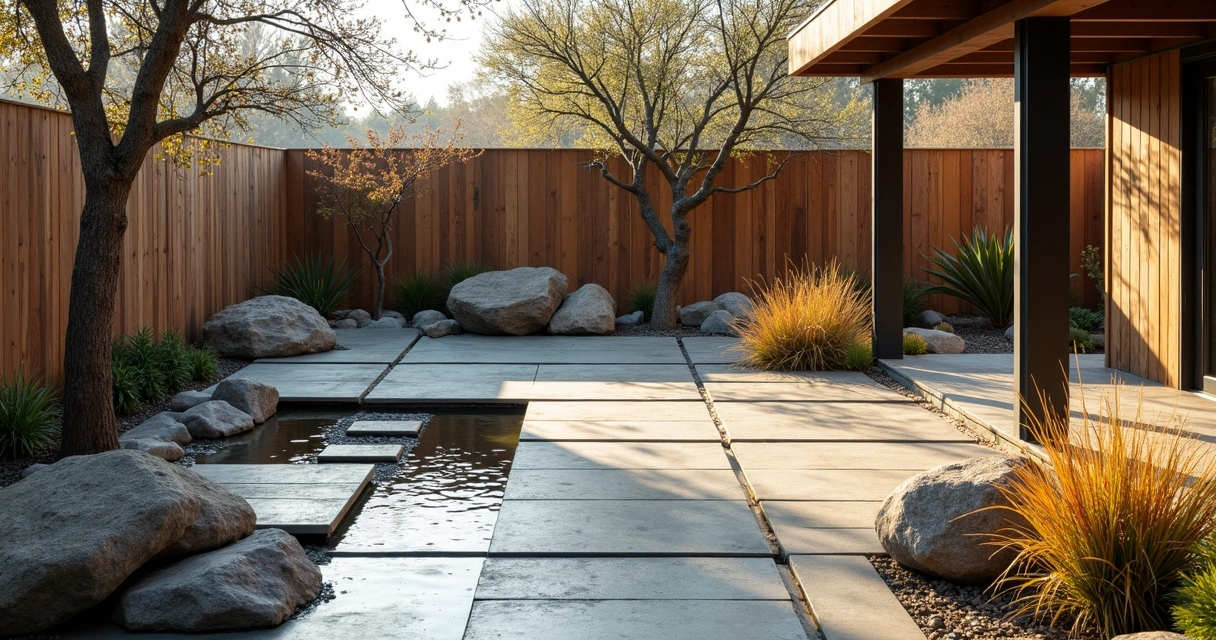
Rainwater collection and passive watering
Winter often brings gentle rains. Capturing this runoff in rain barrels or directing it through sloped beds and bioswales helps water your plants without tapping the city supply. Not only does this lower your monthly bill, but it also gives you a dry-season buffer for delicate specimens. In mild winters, a single inch of rain can sometimes meet the needs of an entire garden bed for weeks.
- Install rain chains or gutters that direct water from your roof to collection barrels or infiltration trenches.
- Shallow depressions in planting beds—sometimes known as rain gardens—slow and absorb runoff naturally.
- Avoid using harvested rainwater during a freeze; store for the next warm spell or slowly release it into the soil when safe.
Passive watering is a keystone of sustainable landscapes, and it’s especially impactful during unpredictable Texas winters.
Plant power: cold-hardy options and placement
Every landscape project at Urban Oasis starts with careful plant selection, guided by what’s seasonally appropriate and lasting. Our picks for winter include both subtle and dramatic choices—each requiring little irrigation when the air is crisp and soil is chilly. You can get inspiration for species and strategies from our collection of best cold-hardy plants.
- Texas mountain laurel and Yaupon holly keep their glossy leaves and stoic form, needing only an occasional soak.
- Ornamental cabbage and kale give splashes of color, remaining upright and fresh even after frost.
- Native sedges tuck in as low-growing winter groundcover, retaining soil moisture and reducing bare, evaporation-prone spots.
- Mexican feather grass and Muhly grasses bring movement and texture with no need for winter watering after establishment.
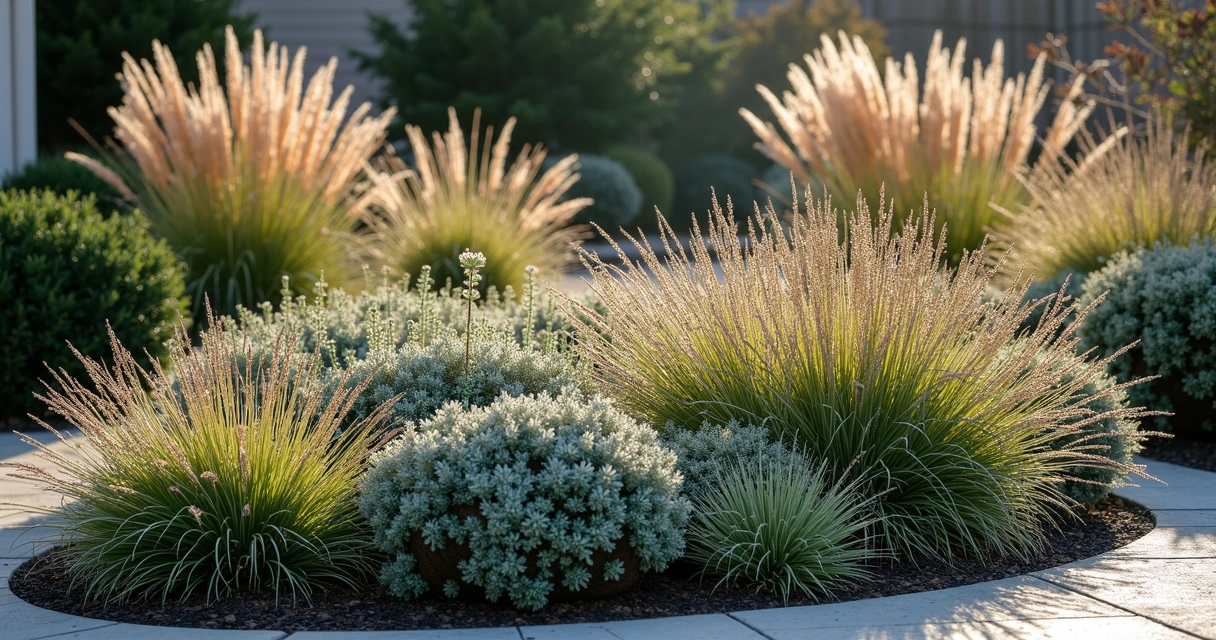
Placement is equally valuable—group plants by water needs, avoid low points that stay soggy in winter, and give shrubs enough space for airflow. This not only saves water, but reduces susceptibility to winter rot and frost damage.
The rhythm of winter: seasonal maintenance and monitoring
Water-wise landscapes aren’t static. Every winter brings new challenges: a cold snap out of nowhere, weeks of light drizzle, or maybe a month without rain at all. Your best tool is observation. Wander your garden often, keeping notes of where puddles stand, which plants seem stressed, and how moist the ground feels beneath the mulch.
Each year, the latest USDA ARS research shows how even small tweaks in timing and placement lead to impressive gains in winter irrigation planning. Tech-savvy gardeners use apps or sensors, but simple routines—like checking soil with your hand or tuning your irrigation system every month—set successful projects apart.
If you’re curious how to keep landscapes thriving all year, the Urban Oasis team regularly shares tips for year-round success and seasonal adjustments on our blog. Consistent care in winter makes your garden ready for that burst of spring growth Austin is famous for.
Winter garden mistakes: what to avoid
Even well-intentioned gardeners slip up sometimes. Here are a few winter pitfalls—and the simple ways to dodge them:
- Watering on autopilot: If your irrigation is set to last summer’s schedule, you are almost certainly overwatering. Reset for winter and check often.
- Neglecting soil cover: Bare dirt loses moisture fast and is prone to weeds. Always maintain some mulch or plant cover.
- Ignoring forecasts: Rain is rare but precious. Let nature water your garden and only supplement after a long dry spell.
- Using sprinklers when the air is cold: Overhead watering just before a frost can leave ice on leaves, risking plant damage.
- Forgetting system checks: A split pipe or clogged emitter in January is a nuisance and a waste. Do regular inspections as weather allows.
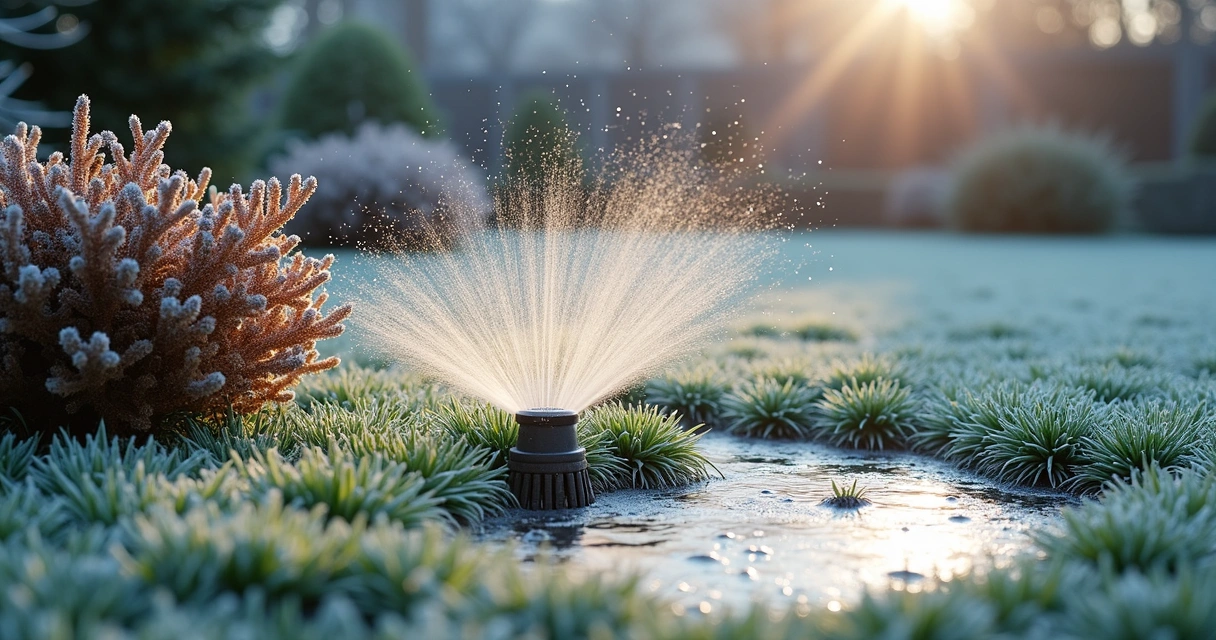
Austin’s future: building resilience through smart design
Water conservation isn’t just a seasonal practice for Urban Oasis. It’s our long-term promise. As Austin grows, these choices—planting for climate, minding the water each winter, tuning your landscape with care—help protect city resources and boost property value. Projects large and small, from landscaping transformations to simple winter checks, all play a part.
By rethinking what your outdoor space does in the coldest months, you set the tone for sustainable living all year. Gardens, patios, pools, and gathering spaces with strong bones and smart roots weather both dry spells and downpours, winter or summer.
Resilient yards begin with mindful action—rain or shine.
Conclusion: winter is your window for water-wise change
Many overlook the quiet power of winter. Yet it’s the best time to set up new habits, rethink plantings, and tweak irrigation for the months ahead. Adopting these water-wise winter practices in Austin gives you a landscape that’s beautiful, resilient, and ready for every shift in weather.
If you want help reimagining your garden or need an expert eye to audit your irrigation for winter, Urban Oasis is here. Start the season with fresh confidence and the peace of mind that comes from real, lasting water savings. Sustainable winter landscapes are not only good for your home; they’re a gift to Austin’s future.
Ready to bring this vision to life? Share your ideas with the Urban Oasis team, and together we’ll create an outdoor oasis that’s tailored to you—through winter and beyond.
Frequently asked questions about winter water-wise gardening in austin
What is water-wise gardening in winter?
Water-wise winter gardening means using less water by adapting to slower plant growth, cooler temperatures, and unpredictable rain. It focuses on planting native or drought-tolerant species, using mulch, monitoring soil health, and reducing or fine-tuning irrigation. The aim is to keep plants healthy, save water, and protect your garden’s ecosystem during the cold season without sacrificing beauty or functionality.
How to conserve water in Austin winters?
Start by checking soil moisture and only watering when it feels dry several inches down. Turn off automatic irrigation unless the weather is unusually dry. Rely on rainfall whenever possible and use mulch to trap ground moisture. Also, group plants with similar needs and make the most of any rainwater you capture. Adjustments like these help conserve water all winter long.
What are the best winter irrigation tips?
A few of the best tips include: reduce watering frequency (twice a month may suffice), water only on warmer mornings, check for leaks after freezes, and use smart sensors or manual monitoring to skip unnecessary cycles. Deep, infrequent watering is better than shallow, frequent applications. Protect pipes and system parts from cold snaps, too.
Is winter irrigation needed in Austin?
Most established plants in Austin need little to no irrigation in winter. However, newly planted trees, some evergreens, and potted specimens may require water if rainfall is scarce. Always check the soil before watering and only supplement if natural moisture isn’t enough. Typically, landscapes can go weeks between waterings in the cold season, but if a dry spell extends, check your most sensitive plants just in case.
How can I make my garden sustainable in winter?
Focus on using cold-hardy, native plants; maintain good soil health; apply a fresh layer of mulch; limit or pause irrigation as growth slows; and use features like permeable patios and rainwater collection. Regular observation lets you spot and solve small problems early. Over time, these steps add up to a winter garden that’s both resilient and low on resources, reflecting Austin’s unique rhythms.