

July in Texas doesn’t tiptoe in. Shrubs dry out, wild grasses stand brittle and gold, and neighborhoods start thinking about something more urgent than simple curb appeal: fire. If you step into your backyard and squint at the sun-bleached grass, maybe you wonder, “What would happen if embers started flying?” You’re not alone. Safety is now as much about what you plant as how you water. That’s where wildfire-wise gardens find their moment—lessons written on every fence line and under every sprawling oak.
For Texans, landscaping has never mattered more. But it goes beyond picking drought-hardy beauties. Creating spaces that control where embers land, what burns, and what survives is a living insurance policy. This is a conversation that Urban Oasis has with clients every single summer. Not just a design, but a plan. One that weaves beauty with defense—a balance that sometimes feels as much emotion as science.
The texas challenge: fire meets landscape
Texas, vast and wild, hosts more than its share of wildfire threats. The blend of scalding summers, frequent droughts, and unpredictable winds leaves no backyard immune. While most folks love sprawling lawns and native meadows, July shifts priorities. A sudden spark—one carelessly tossed cigarette or summer storm—can change horizons in a flash.
Creating that “firewise” outdoor space is not about panic, though. It’s informed, calm action—using knowledge and planning to limit risk, one plant and one gravel path at a time. This path isn’t a one-size rulebook. It whispers of local species, practical barriers, and a rethink of what it means to garden well in Texas.
 Why ember resistance matters in july
 Why ember resistance matters in july
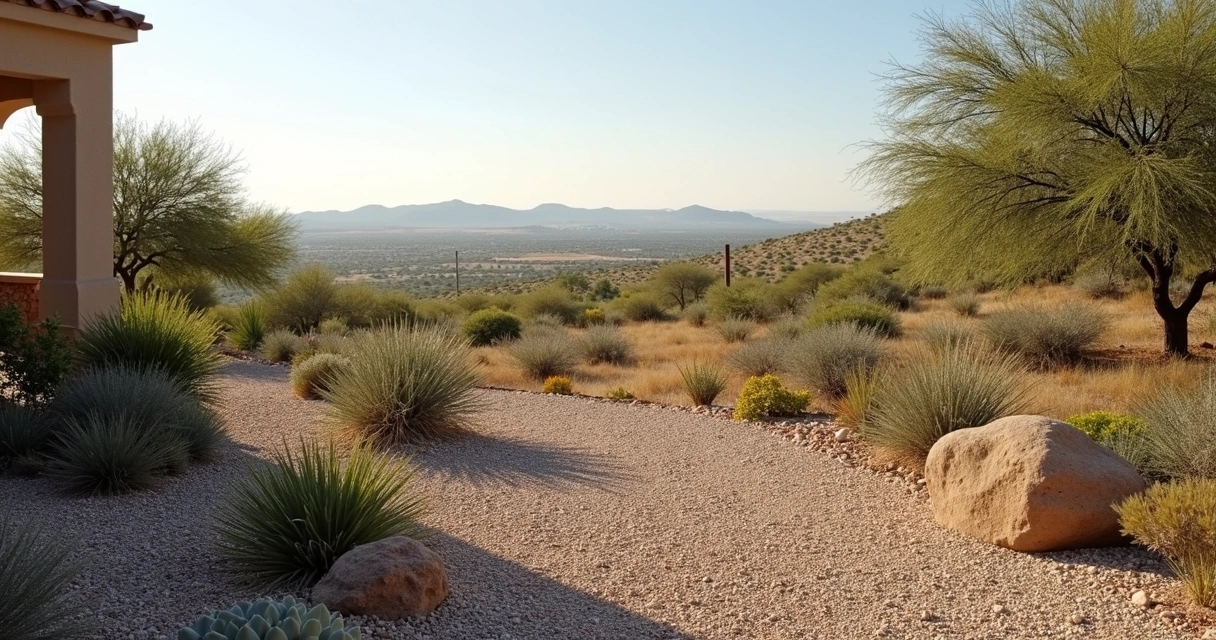
July is a nervous month across much of Texas. There’s a sharpness to the air. Grasses snap underfoot, leaves curl. Wildfires move quickly, but what often starts the fire isn’t a blazing wall—it’s embers. These tiny, wind-driven seeds of fire can leap fences and cross streets, landing wherever luck or foolishness leads them.
Embers start most home losses, not the main fire front itself.
So, when you think about what to plant—or what not to—imagine those drifting sparks. There’s real power in choosing plants that don’t easily ignite or become fuel. Doors, decks, fences, even garden chairs—all vulnerable if surrounded by the wrong kind of growth. And for many clients of Urban Oasis, this awareness shapes entire projects, bringing comfort alongside creative flair.
Designing defensible spaces: zones and the art of distance
Not all parts of your landscape hold the same risk. According to the Texas A&M Forest Service, landscaping around your property should be planned as a series of protective zones. This isn’t just theory—it’s field-tested advice, grounded in countless post-fire community studies. Each space calls for a different mindset. Let’s unpack those layers.
Immediate zone (0-5 feet): the keep-clear margin
This is the fortress wall. The zone closest to your home (or business) should, ideally, be nearly barren. Think stone, gravel, or hardscape rather than shrubs and flowerbeds. If you can’t bear the absence of green, stick with low-growing succulents, well-irrigated grass, or high-moisture groundcovers.
- Keep decks and porches tidy and free of dry leaves or mulch.
- Use decorative rocks or tiles, not wood chips or pine straw.
- Grass in this area must stay short and lush (if present at all).
- Well-spaced, well-watered plants only—think agave or sedum, not waxy boxwoods.
Intermediate zone (5-30 feet): buffer with brains
Here, you set the tone for fire resilience. Group firewise plants in islands, using paths of gravel or stone to break continuity. Shrubs are okay, but only if they’re spaced and pruned—no dense tangles or brush piles. This is generally where Urban Oasis clients introduce seating, patios, and low, leafy ornamentals. Keep trees pruned up, with no branches hanging over the structure or within 10 feet of roofs or chimneys.
- Maintain vertical space: shrubs under trees should not touch the lowest limbs.
- Break up masses of plants with noncombustible hardscape.
- Clear dead leaves as part of regular maintenance.
Extended zone (30-100 feet): slow the spread
Native grasses often pepper these outer stretches, along with larger shrubs and trees. In this area, the job is to keep things trimmed, spaced, and as green as possible, even if green is a relative word come July. Prune back brush, remove tree limbs up to 10 feet above the ground, and mow grasses frequently, especially after spring rains transform into summer tinder.
This “zoning” might sound strict, but it leaves plenty of creative freedom. It’s not about sterility. It’s about guidance—a few well-placed boundaries rather than a locked gate.
Native plants: built-in resilience
Texas natives know the drill—literally. Their roots dive deep, drawing moisture below the crust, and their leaves often have a waxy or fuzzy surface that sheds heat. Many shed branches or drop leaves early to self-protect. When your garden echoes the landscape nature invented for this region, you borrow millennia of survival.
Natives offer low water demand and less maintenance (as found in low-water landscaping ideas). Many bring pollinators, color, and birdlife, all while shrugging off the blazing sun. But which ones hold up when embers fall?
Trees that keep their cool
- Live oak (Quercus virginiana): Thick bark, broad shade, and less litter. Prune lower limbs and keep leaves raked for better performance against fire.
- Texas redbud (Cercis canadensis var. texensis): Small, dense, and less likely to drop branches or become tinder.
- Bigtooth maple (Acer grandidentatum): Cool color in fall, naturally branching high. Needs a spot with some moisture, but rarely crowds out other plants.
Shrubs that don’t fan the flames
Shrubs can make or break your buffer zone. The way they’re planted—isolated, with space to breathe—matters as much as the species.
- Yaupon holly (Ilex vomitoria): Dense, but easy to keep pruned. Berries for birds, and foliage that rarely dries to a crisp if irrigated occasionally.
- Autumn sage (Salvia greggii): Blooms for months, survives drought, and holds moisture in thick stems that don’t easily ignite.
- Turk’s cap (Malvaviscus arboreus var. drummondii): Wide leaves keep roots cool, flowers attract pollinators, and stems are slow to burn.
- Texas sage (Leucophyllum frutescens): Silvery, aromatic, and tough—a classic for minimizing fire risk without looking dull.
Groundcovers and flowers that stay moist
 Groundcovers and flowers that stay moist
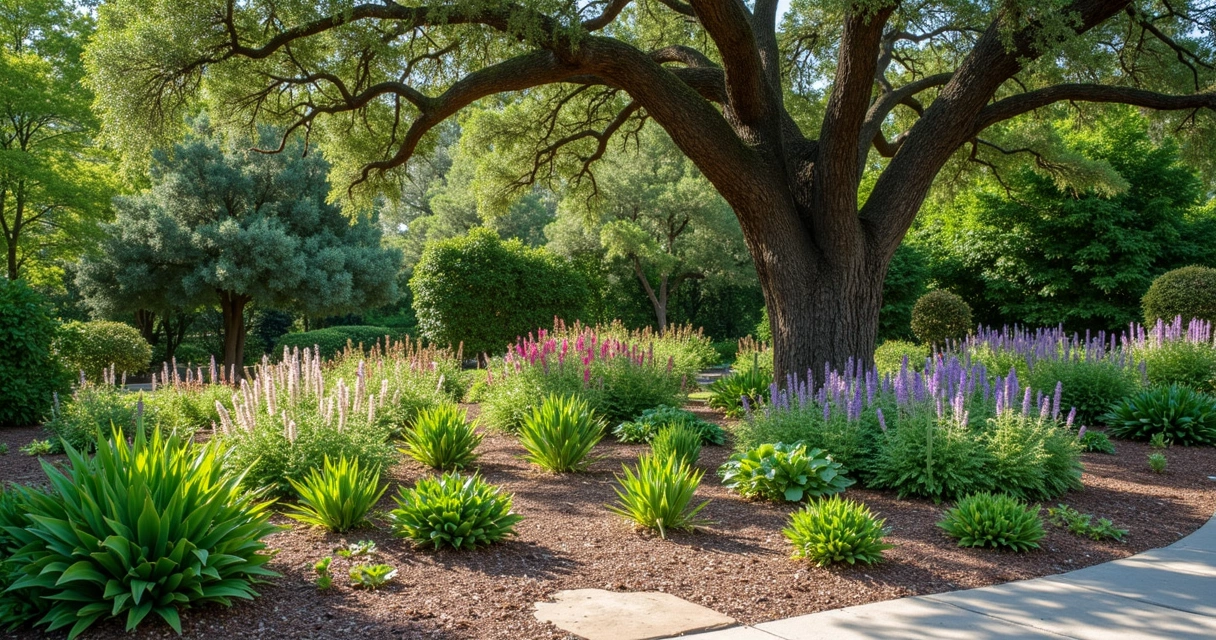
Low groundcovers seem harmless, but a few can actually carry fire. Stick instead with these choices:
- Woolly stemodia (Stemodia lanata): Holds water in its fuzzy leaves. Spreads thick, but doesn’t smother.
- Horseherb (Calyptocarpus vialis): Unfussy, green most of the year, and rarely turns woody or dry.
- Winecup (Callirhoe involucrata): Summer blooms, deep roots, and a habit that stays low and doesn’t pile up flammable debris.
Succulents and seasonal color
- Red yucca (Hesperaloe parviflora): Spikes of red flowers, water-storing leaves, and little litter.
- Spineless prickly pear (Opuntia ellisiana): No big spines, a classic Texan presence, and so much internal moisture that it rarely burns even under direct heat.
For a deeper look at hardy choices that also ride out Texas’s spring cold snaps, you can check out plants that survive spring weather swings.
Building your garden’s safety net: buffer zones, spacing, and maintenance
Knowing your zones and planting wisely sets the stage—but ongoing care is just as key. According to practical firewise landscaping tips, a well-maintained garden is often the difference between safety and loss. That’s true even if you’ve picked every fire-resistant plant in the book.
The role of buffer zones
Designing a defensible buffer is about interrupting the “fuel line” that embers depend on. Gravel, rock, and broad flagstones don’t burn—these make perfect firebreaks. Even a simple mown patch or a stretch of decomposed granite can save you. Don’t let mulch pile up—especially non-composted wood or rubber, which are especially flammable. If you must mulch, use it thin, or try alternatives like stone or even oyster shell for a different look.
Creative spacing for function and beauty
Spacing can seem like an aesthetic sacrifice, but staggered plantings actually highlight the shapes and structures of individual plants. Group species in small clusters rather than continuous hedges. Pathways and patios become multipurpose: beauty, access, and fire-resistant breaks. This is an area where Urban Oasis spends time with each client, weaving in sight lines and relaxation spaces that double as safety features.
Maintaining the shield
- Prune trees regularly, lifting canopies to a minimum of 10 feet above the ground.
- Thin shrubs, removing deadwood during summer and after freezes.
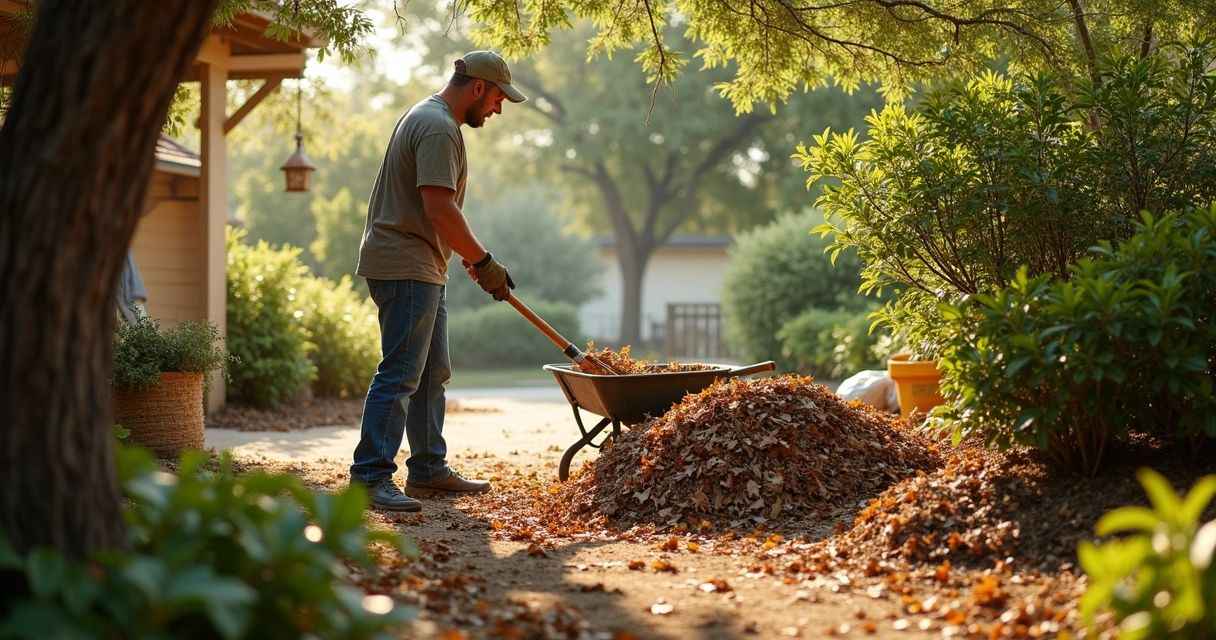
- Rake leaves and clean gutters each month during fire season—don’t let debris linger.
- Water in the morning, if allowed, so foliage dries by midday but roots stay hydrated.
Other strategies for a firewise landscape
Hardscape as hidden armor
Stone walls, boulder borders, concrete edging, and wide patio slabs—these are not just visual stunners. They slow fire by breaking continuity and trapping heat at safe, controlled points. Using more hardscape near the home and blending out to softer, plant-filled areas as you move away is both practical and striking. Think of this as the garden’s armor.
Irrigation for survival, not just green lawns
Water isn’t just for looks; it’s for life. Smart irrigation focuses on sustaining deeper roots rather than frequent shallow sprays. Drip lines under mulch (the nonflammable kind) help keep roots moist. Avoid overhead watering late in the day, which can add fungal risk without real benefit to fire defenses.
Mulching with caution
Fresh, under-composted mulch can smolder for hours after catching an ember. If you mulch, go for composted organic matter or inorganic options. Use natural stone or pea gravel in buffer areas, and always keep mulch away from the foundation by at least 18 inches.
Trees: placement, care, and defense
While some trees are naturally less flammable, any large shade provider can be a concern if it crowds the structure. A good rule: Never let limbs hang within 10 feet of a roof, deck, or chimney. And clear out ladder fuels below (smaller plants or debris that can carry fire up the trunk). Proper spacing and pruning are key—something regularly discussed during Urban Oasis consultations, since many older properties need trees reshaped or redirected.
Combining safety and style: creating a beautiful, low-risk garden
 Combining safety and style: creating a beautiful, low-risk garden
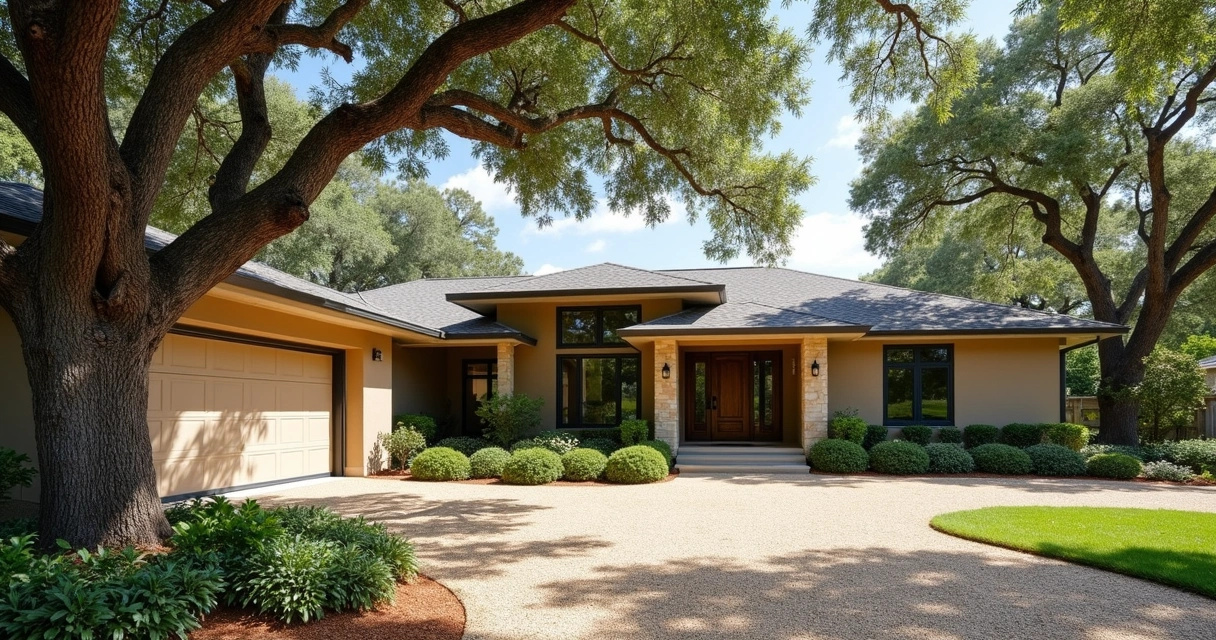
There’s a myth that a firewise yard needs to look sterile or barren—just rocks, gravel, and spiky succulents. That’s not how Urban Oasis designs feel, nor what the philosophy of wildfire-proofing demands. With the right mix of textures, colors, and materials, you can grow a place that’s lively, cooling, and still protective in even the hottest months.
- Use curving stone paths to define planting beds.
- Blend evergreen shrubs with seasonal perennials for year-round interest.
- Layer groundcovers below taller shrubs to block weeds and keep soil cool.
- Add seating zones on pavers or gravel near, not within, denser plant islands.
- Plant for local wildlife—many firewise natives host butterflies, moths, or small songbirds.
People sometimes fear they’ll lose privacy or shade by spacing trees out. In practice, thoughtful arrangements can block views and sunlight just as well—with more airflow and light below, which helps both people and plants during high summer.
Case study: a ‘second chance’ texas backyard
A family in the Hill Country reached out after a brush fire scorched a nearby property. Their yard, once shaded by a thicket of juniper and hackberry, needed a rethink. The Urban Oasis team walked the site, mapping distances and debating every plant’s place.
First, lawns near the house were converted to wide flagstone, punctuated with groupings of spineless prickly pear and red yucca. Yaupon holly was planted in pairs, not as a hedge, leaving wide gravel stretches between. Under the old live oak, downy stemodia provided cover, while bird baths dotted the intermediate zone. The result? A layered, colorful retreat that no longer felt vulnerable—with family dinners on the new patio all summer, and butterflies darting from sage to winecup without a hint of danger overhead.
Maintenance calendar for July and beyond
Mid-summer checklist
- Mow grasses often; keep below 4 inches in transition and extended zones.
- Trim dead or scraggly branches from all trees and shrubs.
- Rake and remove leaf litter weekly during dry stretches.
- Check gutters for leaf or bark buildup, especially after windy days.
- Test irrigation to ensure deep root soaking, not surface-level misting.
- Replace any failed plantings with firewise natives or succulents.
Year-round habits
- Prune trees and shrubs from winter through spring. Reduces both fire and freeze damage—see more on gardening practices for Texas lawns.
- Limit mulch depth, and refresh only as needed.
- Inspect for signs of drought stress and irrigate accordingly.
- Consult local resources or reach out to professionals like Urban Oasis for periodic reviews, especially as seasons change or new plants mature.
Unexpected lessons from texas gardens
 Unexpected lessons from texas gardens
There’s no single formula for safety or beauty. Sometimes a client wants a wild look; another dreams of a pristine lawn. Yet as seasons pass and headlines fill with words like “drought” and “campfire ban,” the old rules fall away.
Clients of Urban Oasis often report that, after shifting to buffer zones and native plantings, their yards look fuller, not emptier. Birds and butterflies come, maintenance feels simpler, and—if luck ever sends embers their way—they face it with a little less dread.
Not everything grows as planned. Sometimes that prized shrub fails, or a flash flood sweeps mulch away. The garden corrects itself, and the lesson sticks: safety isn’t the end of creativity. It’s the beginning of a garden that lasts, even when the winds turn hot and wild.
If you want to learn more about developing a truly resilient landscape—one that cares for both beauty and safety—you might enjoy the broader guide to landscaping techniques, or browse the Texas plant directory for more firewise choices.
Conclusion: a better tomorrow, one plant at a time
Every year, there’s a new lesson in Texas gardening. July repeats them loudly—sometimes with smoke, sometimes just a sharp sunrise and wind. But with each new round, the wish remains the same: family, friends, and a yard that feels safe as well as beautiful. When you choose fire-resistant plants, manage space carefully, and care for your landscape like the living shield it is, you guarantee more than curb appeal. You build peace of mind—something that grows alongside every native sage, every clipped yaupon, every trellised vine.
Build beauty, but plant for peace of mind too.
If you’re ready to transform your yard, Urban Oasis is here to help design and build spaces that protect, inspire, and delight. Fill out our form and let’s start planning a garden that embraces both hospitality and safety, perfect for gatherings, for laughter, and for those long, golden Texas evenings.
Frequently asked questions
What is wildfire resistant landscaping?
Wildfire resistant landscaping means designing and maintaining your garden to limit the chances of wildfire damage. By carefully selecting plants, managing their placement, and using nonflammable ground covers, you create layers that slow or stop fire. This approach often includes zones around your home, each with different types and densities of plants. Water-wise, well-maintained landscapes using Texas native species help prevent embers from finding easy fuel. Regular pruning and leaf removal are also part of this strategy.
Which Texas plants resist wildfire embers?
Several Texas natives do well at resisting wildfire and ember ignition. Good choices include live oak, Texas redbud, bigtooth maple, yaupon holly, autumn sage, Turk’s cap, Texas sage, woolly stemodia, horseherb, and red yucca. Many succulents, like spineless prickly pear, are also valued for their moisture content and low flammability. Group them with enough space between and avoid dense hedges, which can act as fire highways.
How can I make my garden safer?
Start by clearing a five-foot nonflammable buffer near your house using gravel, stone, or very low succulent groundcovers. Remove dead leaves and branches regularly. Space plants, prune shrubs and trees, and avoid dense hedges close to your structures. Use hardscape features like patios or stone walls to break up plant groupings. Replace highly flammable species with natives that retain moisture. Finally, keep grass mowed short and check irrigation regularly each summer. For ongoing tips, you might find safety-focused gardening guides for Texas useful.
Are native plants better for fire safety?
Usually, yes. Native Texas plants are adapted to tough weather, including drought. Their leaves, stems, and root systems are less likely to dry out completely, making them naturally less flammable. They also require less upkeep and tolerate summer extremes, which means yards stay healthier and less vulnerable to fire. Most ember-resistant landscaping in Texas is rooted in thoughtful use of these locals, plus their ability to survive on minimal water.
Where to buy firewise plants in Texas?
Firewise or fire-resistant plants are available at most reputable Texas nurseries, especially those specializing in native species. Local garden centers often carry a good range in spring and early summer. When in doubt, look for plants that thrive in your specific region and match the profiles listed by experts. For some inspiration and ideas, check native plant guides and curated lists from Texas-focused landscaping resources. If you need tailored advice, teams like Urban Oasis can make recommendations and even handle sourcing for you.