
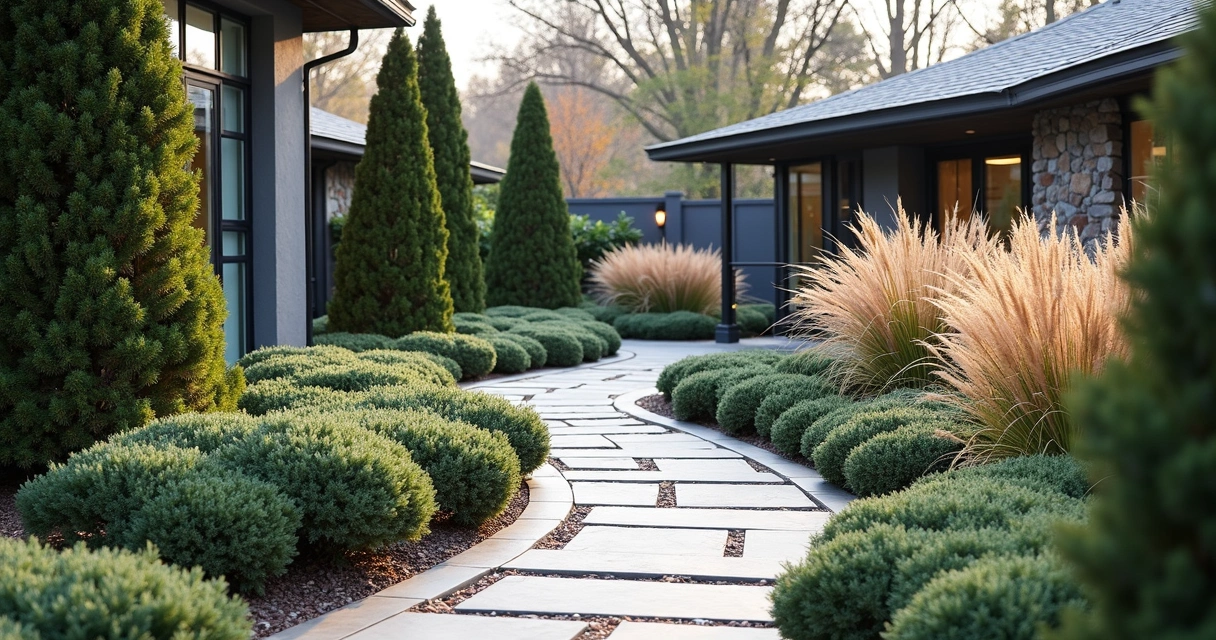
The bite of winter changes everything about a garden. Suddenly, bright blooms fade, foliage drops, and what felt lush and wild shrinks down to exposed stems and lines of soil. Still, the cold months can bring a surprising kind of beauty. Structure, texture, and resilient plants—these become stars of winter borders in Austin and everywhere winters linger a while. I’ve watched plain landscapes become magical when frost dusts branches and sculptural evergreens hold their place, bold and elegant. All it takes is a little intention and the willingness to see your outdoor world differently.
If you want inspiring borders in winter, you don’t have to be content with empty beds or just a few conifers. There are plants that thrive, even glow, when the weather turns. Textures, colors, and forms—many are waiting for the spotlight while everything else sleeps. Urban Oasis brings this way of thinking to every project, designing seasonal garden borders tailored to your life and your climate. Whether residential or commercial, finding the right mix can make winter just as compelling as spring.
Borders don’t just survive winter—they become canvases for quiet drama.
In this article, I’ll walk you through the principles, plants, and design tips for edging and border schemes that truly shine during the coldest days. I’ll also throw in a few stories, mistakes, small surprises—it’s how life in the garden really goes.
Let’s pull on a sweater and head outside.
Why winter borders matter more than you think
It’s easy to feel less inspired during winter, but good garden borders give four-season structure. Instead of letting beds disappear into bare ground, strong edging and thoughtful plant choices keep your landscape alive and interesting, even if it’s just out of the kitchen window. Garden design in Austin faces those sudden warm spells and deep dips, so relying on annual color isn’t always practical. Instead, you’re building with structure and resilience in mind.
- Winter borders anchor your space when almost everything else vanishes.
- Evergreen edging and woody plants provide long-lasting visual strength.
- Textured foliage, colored stems, and low-maintenance grasses create movement and subtle color.
- Well-planned winter garden design reduces the work of replanting and remulching in spring.
I’ve seen landscapes that ignored winter, and they always look a little bit tired in those months. Worse yet, they’re harder to bring back to life in spring. If you plan for these months, your garden feels intentional and welcoming year-round.
Urban Oasis has helped homeowners and businesses in Austin develop outdoor spaces where winter structure never feels like an afterthought. It’s about seeing the beauty in branch, bark, and evergreen.
Don’t let winter be your garden’s dullest moment.
Principles of winter border design
How do some gardens look so good, even when days are short and light is scarce? The answer lies in structural design and plant selection. Get these foundational pieces right, and you’ll never dread the view out your window in January.
Start with shape and structure
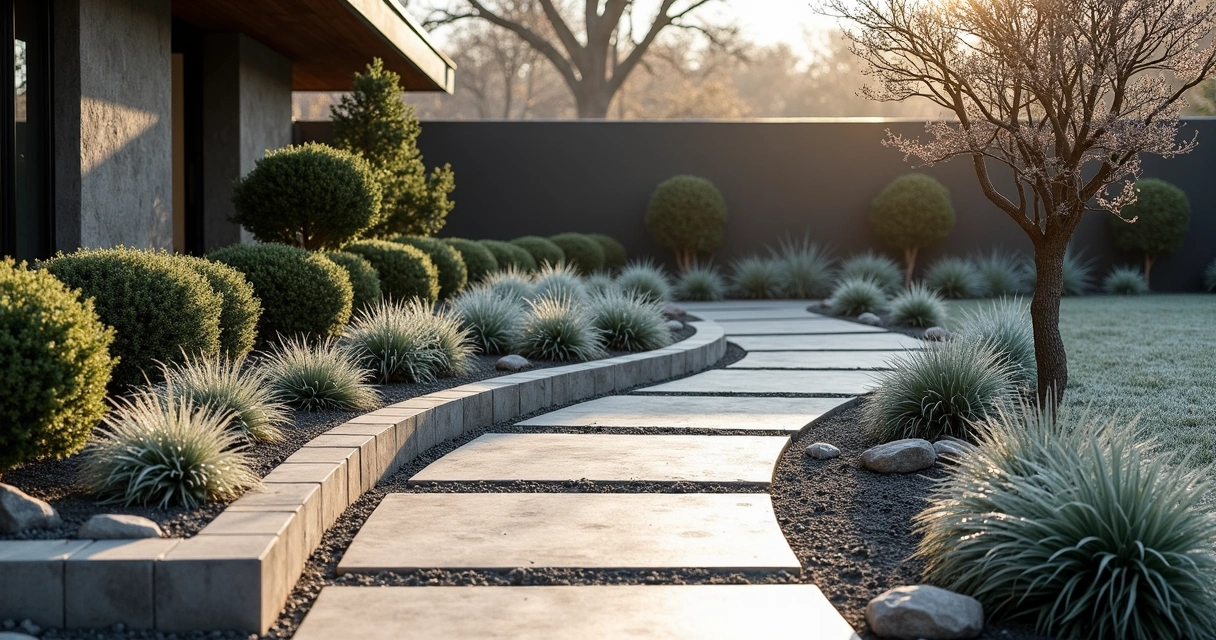
Long before you add color, think about the outlines and bones of your borders. When the garden is more “empty,” these stand out sharply. Edging defines space and provides neatness. You can choose from physical materials, like stone or steel, or living borders made of tough shrubs and grasses.
- Curves and angles: Sweeping, curved borders look natural and soften the lines in winter. Sharp corners feel modern and suit contemporary homes—a favorite trick for Urban Oasis when reimagining city courtyards.
- Raised beds or levels: Varying bed height adds interest, catches shadows, and keeps things from looking flat when most foliage is gone.
- Physical edging materials: Use weathered steel, stone, or recycled brick for definition. These materials look even richer after frost and with age.
Choose plants with backbone
Some plants are fair-weather friends. Others hold their forms and greens through the hardest cold. Good winter borders employ those “backbone” plants, often in repeating clumps or sweeping swathes.
- Evergreens: Holly, boxwood, yew, juniper. These reliable species provide structure and color.
- Woody perennials: Red-twig dogwood, mahonia, rosemary. Stem color can be even more important than leaves.
- Ornamental grasses: Switchgrass, little bluestem, feather reed grass. Even dried grasses sway in winter winds and catch the light.
- Groundcovers and edging plants: Liriope, mondo grass, ajuga. These low, robust choices hold borders together where mulch breaks down, especially valuable in Austin’s unpredictable cold snaps.
If you want inspiration for which plants fit your zone, the University of Minnesota Extension outlines plant hardiness zones with useful details—knowing your zone gives you a baseline for plant selection that survives unpredictable winters.
Plant with the cold months in mind; the rest of the year is easy.
Mix heights and layers
Winter makes monotony obvious. Try to avoid borders with all plants at the same level. Instead, stagger heights and textures:
- Tall evergreens or bare-branched shrubs as the backdrop.
- Clumps of winter grasses in the mid-height range.
- Low-growing edging plants or groundcovers along the border.
This way, even if the taller plants drop their leaves, the outlines of your border stay clear and interesting.
Understanding winter in Austin: climate and challenges
Austin’s winters are as likely to bring a week of 70 degrees as a sudden deep freeze. Most years, you contend with periodic frosts, dry spells, occasional ice, and the rare snowfall. It pays to choose plants and design concepts that handle both warm and cold—not to mention those wild seasonal swings.
- Frost pockets can appear in low areas. If your yard is uneven, plan bedding and border plants where air won’t settle and freeze.
- Drought stress is as big a threat as cold. Even in winter, keep an eye on watering needs for evergreens and shallow-rooted plants.
- Heavy clay soils can hold too much water after rain, leading to root rot when temperatures drop. Raised beds or improved drainage make a huge difference.
A large part of the Urban Oasis approach to low-maintenance and high-impact landscaping is recognizing these local quirks. We plan and plant in ways that help gardens thrive, not just survive, each winter.
Every winter brings something unexpected. Plan for resilience, not just for beauty.
Building blocks: materials for winter border edging
A tidy edge can transform a garden. In winter, it brings focus and frames the areas where persistent greens and bold shapes live. There’s no single best edging for everyone, so let’s look at a few commonly successful options.
- Steel edging: Slim, sharp lines. Resistant to frost heave, and ages to a beautiful patina. A favorite for modern homes.
- Natural stone: Soft curves and chunky forms. Holds up well through freeze-thaw cycles and looks good whether wet or frosted.
- Brick and recycled pavers: Brings warmth and order. Laid flush or slightly raised, perfect for traditional borders or cottage-style gardens.
- Living edges: Plant thick bands of mondo grass, liriope, or low evergreen herbs (like thyme) for a soft, living border. They help shade out weeds and can be especially charming in informal gardens.
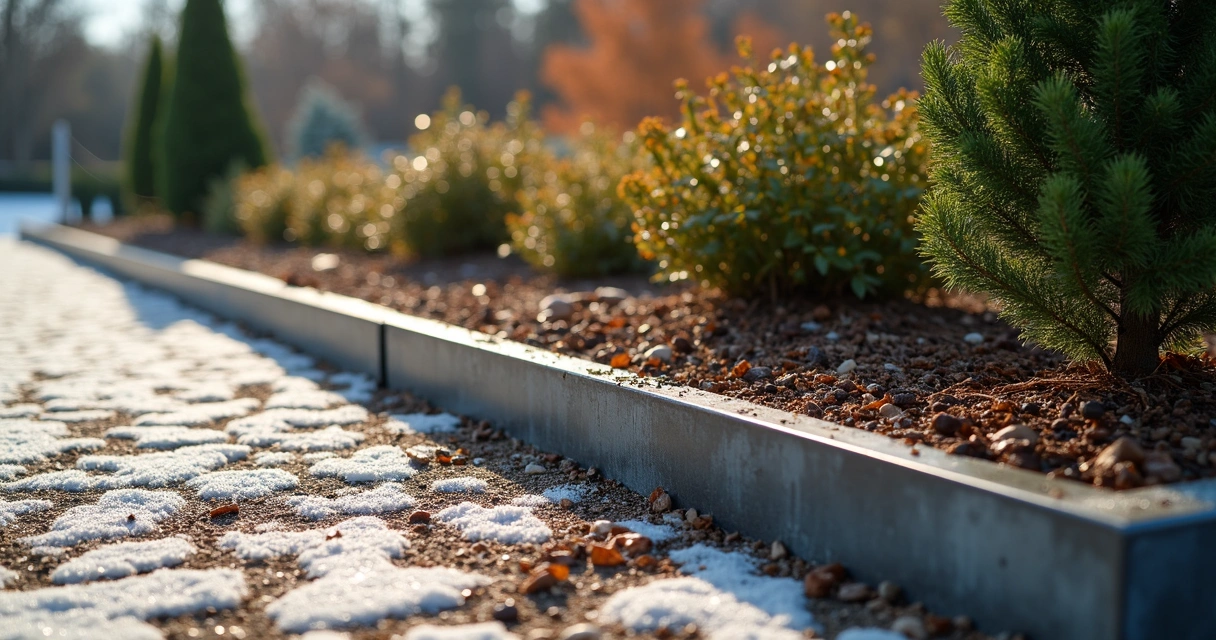
If in doubt, start small. Edge a single bed or a short stretch along a pathway—you’ll quickly see how much cleaner and more defined the garden feels.
Standouts for winter interest: plant selection for Austin
Here’s where things get exciting. While the urge is often to focus on summer and fall bloomers, some plants will take center stage from November to March (and sometimes beyond). The trick is to combine reliable greens with splashes of winter color, texture, and shape.
Evergreen shrubs for structure
Austin’s winters don’t always encourage broad-leaf evergreens, so smart selections are key. Consider the following for tough, drought-tolerant structure:
- Japanese yew (Podocarpus macrophyllus): Slim, upright, very resilient.
- Boxwood (Buxus sempervirens): Classic for low hedging or cloud-pruning.
- Holly “Nellie R. Stevens”: Glossy, robust, and deeply green even in snow.
- Pyracantha: Orange berries persist through winter, giving color and a source of food for birds.
Look at tips for year-round landscape success to maximize how and where you use evergreens in your garden design.
Winter grasses and sedges
It surprised me the first time I saw native grasses in February—their upright, tawny plumes catching the light when everything else seemed dull. Several grasses bring year-round interest:
- Little bluestem (Schizachyrium scoparium): Slender blue-green foliage turns copper in winter.
- Mexican feather grass (Nassella tenuissima): Fine, wispy, perfect for soft movement in borders.
- Muhly grass (Muhlenbergia capillaris): Cotton-candy pink in late fall, persistent stems in winter.
Even when dry, these plants add strong lines and visual rhythm.
Woody ornamentals and bark color
Not all beauty comes from leaves or flowers. Some shrubs show their best side when all the foliage falls away.
- Red-twig dogwood (Cornus sericea): Fiery winter stems stand out strongly; best when planted in groups.
- Mahonia (Mahonia aquifolium): Blue-green leaves and yellow late-winter blooms.
- Nandina domestica: Turns ruby red when hit by frost; also provides interest in early spring.
Bark and branches can be as striking as flowers.
Low edging plants for border definition
This is where things easily go wrong. Too many edging plants fade away in winter, leaving patches of bare dirt or trampled mulch. Choose:
- Liriope muscari: Stays green, even through hard freezes. Neat, tufted habit for borders.
- Mondo grass (Ophiopogon japonicus): Deep green clumps. Tolerant of sun and shade alike.
- Ajuga reptans: Low, mat-forming, and semi-evergreen. Purple and bronze foliage persists below the snow line.
Some Austin soils are heavy or alkaline—double-check your choices against soil conditions for the best results.
Planning for color, texture, and wildlife
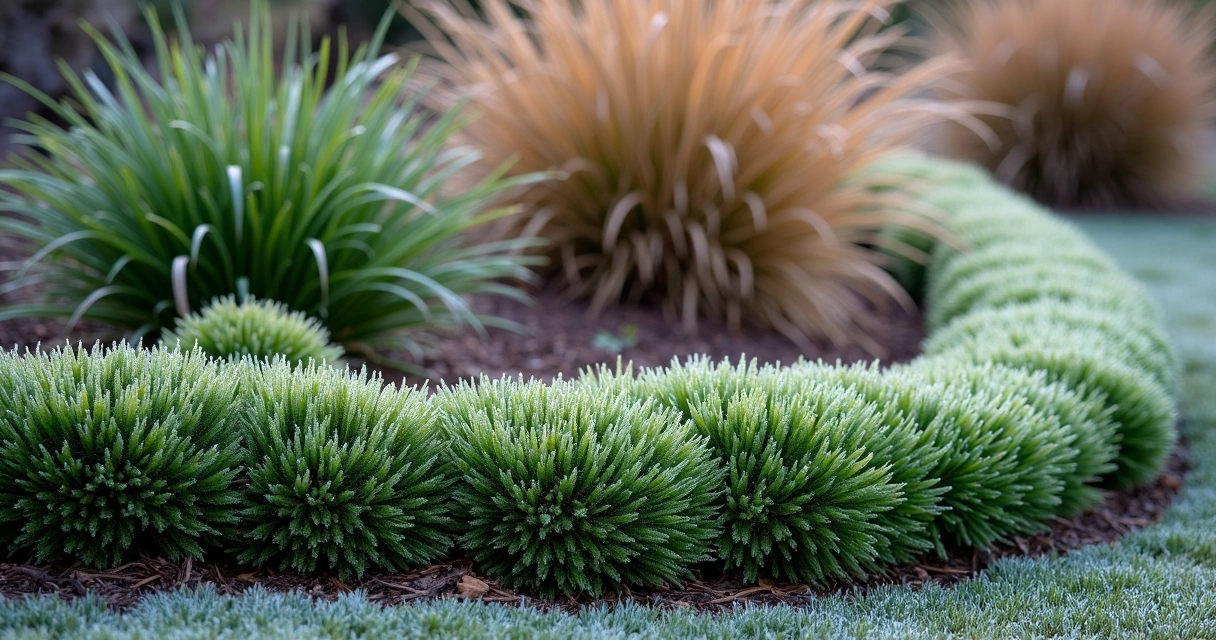
Color does not die with the last rose. Instead, it shifts, berries, bark, and dried stems all play subtler but powerful parts. Even more, many winter plants support wildlife, providing shelter and food for birds and pollinators.
- Plants like pyracantha and holly give persistent berries through the cold, luring cardinals and mockingbirds to your borders.
- Seedheads of coneflower, black-eyed Susan, and native grasses remain upright for months, holding frost and feeding songbirds.
- Sculptural silhouettes of dried perennials and ornamental seedpods (even alliums and certain salvias) bring artistry long after color fades.
Mix these elements in layers and you create texture. Gray-blue foliage, glossy greens, soft wheat tones and even flashes of red or orange—these are the unexpected colors of winter.
Winter color whispers. It doesn’t shout—but it matters.
Soil, mulch, and microclimate: small details, big impact
I once thought mulch was just for hiding dirt. Turns out, it’s one of your best winter tools. Mulch protects shallow roots, keeps down weeds, and prevents freeze-thaw cycles from pushing plants out of the soil.
A detail sometimes missed: mulch also influences soil temperature. The University of Alaska Fairbanks highlights the insulating properties of snow and mulch, making both powerful insulators. A few inches of shredded bark or leaf mold can keep soil several degrees warmer during cold snaps.
- Apply mulch after the first big frost. This keeps pests from finding shelter too early.
- Top up mulch around evergreens and young plants, but keep it away from direct contact with stems to prevent rot.
- Where frost pockets form, a slightly thicker mulch layer can smooth out temperature swings.
Microclimates within your garden also matter. Fences, walls, and even dense shrubbery can block wind and increase overnight temperatures by a degree or two—sometimes enough to make all the difference for tender plants.
Planting and maintenance: timing, trimming, and winter prep
A bit of timing and some gentle restraint in pruning can help your borders weather the season.
- Prune wisely: According to the University of Georgia, avoid late summer or early fall pruning. New growth spurred at the wrong time will be especially vulnerable to cold injury.
- Acclimatization: Following insights from the University of Florida, gradual cooling conditions are less damaging than sudden freezes. Avoid “pushing” plants late in the season with excess watering or fertilizer—allow them to toughen up bit by bit.
- Plant selection and timing: Check each species for ideal planting times. Many perennials and woody plants prefer fall planting so their roots can get established before the chill deepens.
If you want to investigate cold-tolerant plants further, this guide to hardy choices for Texas is worth a look.
Design tips: adding drama, movement, and focus
You don’t need a sprawling plot or huge collection of plants. Even a small border or narrow bed beside a patio can show off character all winter long. Here are a few tricks I’ve watched transform even the simplest gardens:
- Repeat for rhythm: Echo the same plant or texture at intervals. Three clumps of liriope have more impact than a single tuft lost at the edge.
- Add a focal point: A sculptural urn, weathered stump, or boulder can draw the eye when plants die back. The emptier the landscape, the more dramatic a well-placed object becomes.
- Don’t cut back everything: Leave some grasses, seedheads, and dry stalks standing. They hold snow, reflect low sunlight, and hint at the lushness to come.
- Layer evergreens and deciduous: The best winter borders don’t rely solely on green. Contrast textures—fine needles against broad leaves, rugged bark next to wispy grasses.
- Use light and shadow: Prune woody plants for bold silhouettes. When sunlight is low, interesting shapes become focal points (and highlight the work done long after planting season fades).
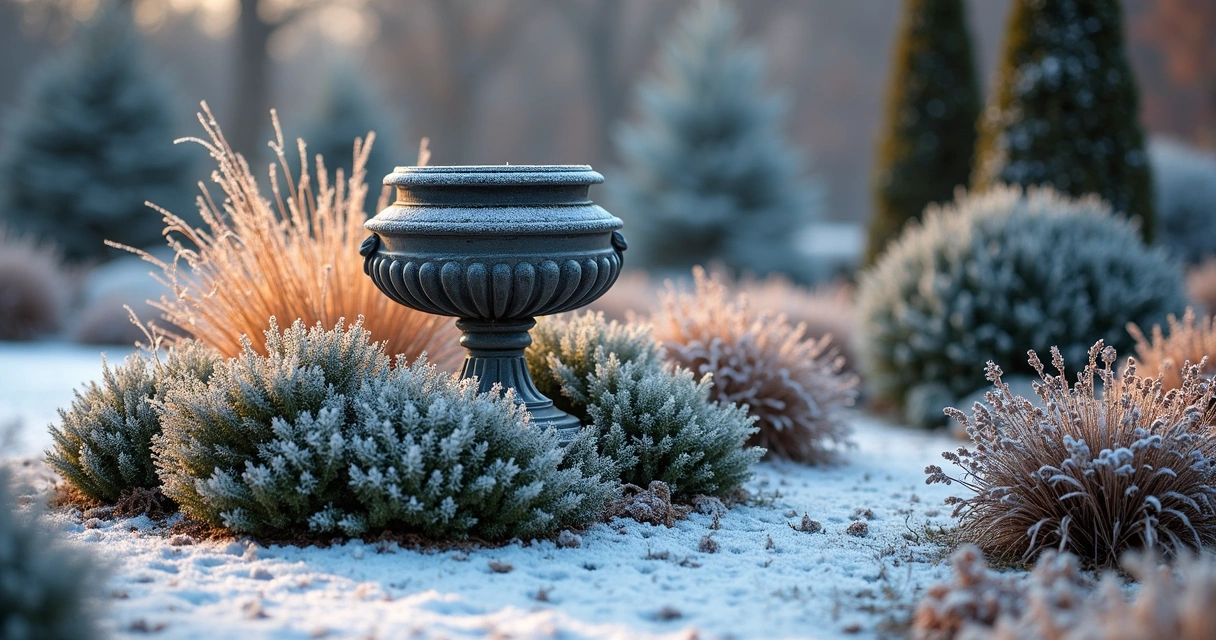
Urban Oasis plays with these elements on every project. Sometimes it’s as simple as placing a smooth river stone in a mass of liriope, other times it’s building a whole sequence of evergreens and berries to lead the eye to a winter-blooming camellia.
Practical borders for busy lives
It’s easy to want glamour. But real life—mud, pets, wind, random freeze-thaws—has a way of humbling a garden fast. So, where possible, plant for your lifestyle:
- Choose low-maintenance edging plants that won’t need replacing every spring. See this collection of plant articles for tough, proven ideas.
- Use mulch not just for looks, but to limit weeds and trim winter chores.
- Consider how your borders will frame patios, decks, or entertaining spaces even in the slow months—this is especially helpful advice straight from gardeners who came before us in Austin.
If you’re adding or updating borders with help from professionals like Urban Oasis, talk about budget, year-round color, and how much maintenance you really want. Sometimes the simplest plan is the most satisfying.
Start small, repeat what you love, and let winter teach you patience.
Stories from the winter border: the little things that last
On a chilly January morning, I once watched a neighbor’s garden from across the street. They had a narrow border—just twenty feet—edged in river rocks, with tufts of dwarf mondo grass and a few berry-laden pyracantha tucked behind. Frost glazed the rocks, the berries glowed in dawn light, and a pair of finches dipped in and out, picking seeds. There were no blooms, not much green, but it was quietly beautiful. I think that kind of understated beauty leaves a mark.
Another year, I tried using only mulch and annuals for a quick-fix border. By February, it looked ragged, muddy, and sad. Lesson learned. Investing in perennial backbone plants, even just a handful, pays off every cold season.
There’s always something unpredictable: ice that bends stems to the ground (sometimes they bounce back), or the first snow outlining every leaf and edge, showing how carefully—or carelessly—the border was planted in fall. With each year, every winter, you learn where your border sings and where it falls silent.
Conclusion: make your winter border a place to pause
A winter garden border doesn’t need to compete with spring’s bold colors or summer’s wild sprawl. It asks us to see slower beauty—texture, form, calm. Maybe it’s a single bright holly in a bed of blues and grays, or the arch of dried grass over fresh mulch. Maybe it’s the clever way a steel edge catches frost at first light.
If you’re ready to enjoy your garden every single day—no matter the season—start with your borders. Craft them with patience. Choose plants that don’t flinch from cold. Add edges that make the rest feel finished. Let winter become part of your style, not just a time to endure.
If you want bespoke design, expert plant selection, and a process rooted in clear communication, Urban Oasis can help bring your vision for winter, and every other season, to life.
Even the quietest season can give you something unforgettable.
Ready to design a winter border that becomes your garden’s quiet star? Fill out the form and let Urban Oasis help you create that welcoming outdoor retreat, even in the coldest months.
Frequently asked questions about winter borders and edging plants
What plants work best for winter borders?
Plants that hold their shape and color through cold are best. In Austin, evergreens like boxwood, holly, and yew keep structure intact. Grasses such as little bluestem and muhly grass offer movement and warmth in winter light. Low hedging plants like liriope, mondo grass, and ajuga stick around even when other options vanish. Woody ornamentals with colored stems, such as red-twig dogwood or mahonia, add interest. For more plant ideas, the Purdue University guide to frost resistance helps pick options that survive the hardest winters.
How to design winter borders in Austin?
Start with strong lines and tough edging—stone, steel, or living plants that don’t fade in the cold. Layer heights for depth, using evergreens and grasses for structure. Add woody plants for bark and berries. Pay attention to microclimates and soil: mulch wisely, avoid pruning in late season, and plan for drainage to prevent root rot. Choose plant groupings that echo throughout the bed for rhythm. For a tailored approach, consult with designers like Urban Oasis who know local challenges and effective planting schedules for resilient, beautiful winter borders.
What are good edging plants for winter?
Liriope, mondo grass, and ajuga remain green and neat throughout winter, making them standouts for border definition. In some spots, hardy herbs like creeping thyme or low sage can edge beds and paths gracefully. These choices are low-maintenance and keep their color while many other groundcovers drop back. Native sedges in dry shade can also provide persistent winter edging.
Is it worth adding seasonal borders?
Yes. Thoughtful seasonal borders make gardens feel alive year-round, reducing spring cleanup and offering interest even in the slowest months. They provide structure, shelter wildlife, and help frame outdoor living spaces during every season. Investing in cold-tolerant perennials and texture-focused design pays off in every climate, but especially in places with unpredictable winters like Austin.
Where to buy edging plants in Austin?
Local nurseries are usually your best source for hardy edging plants suited to Austin’s climate. Many have selections tailored for winter color and drought resilience. When planning your border, check plant details against resources like the Urban Oasis guide to cold-hardy choices, and consult nursery staff for updates on availability and planting seasons. This way, your winter border starts with the right roots—figuratively and literally.