

In the heart of Texas, winter can sometimes sneak up in sharp morning chills, only to fade back to mild afternoons. Austin’s unpredictable cold snaps meet gentle sun, challenging local gardeners to keep their landscapes rich in color when most plants pause. While evergreens are often the go-to anchors, the joy of a winter garden often hides in the unexpected hues that other species bring. If you believe your garden must give in and turn dull every winter, perhaps you haven’t met what really thrives during these months—or you just haven’t seen what Urban Oasis can design for you.
Winter’s mood in Austin gardens
Step outside on a January morning in Austin. Some days, air bites. On others, it barely sighs. These swings in temperature can send even seasoned gardeners back to the drawing board, weighing which plants dare to bloom rather than simply survive.
Color returns even when the world feels paused.
What makes winter landscapes in this city feel so unpredictable? It’s partly about Austin’s shifting weather story, reflected in increased energy demand during frigid mornings while, in the afternoons, sunshine floods patios and decks. The urban landscape doesn’t quite freeze, but it doesn’t fully bloom either. This gentle contradiction creates room for experimenting, for planning gardens that feel alive all year.
Urban Oasis sees these months, not as a pause, but as an invitation. Modern outdoor living isn’t just about summer gatherings—it’s about elegant, welcoming spaces year-round, with a few tricks drawn from experts who know both climate and color.
Why “winter color” really matters
It’s tempting to let cold months slide by with little thought for landscaping. After all, the grass slows. Perennials hide. Most weekends, sweaters win. Yet something quiet happens to a home—whether it’s a private backyard or a commercial courtyard—when colors do stick around. There’s a simple sort of comfort in glancing out and seeing fire pink, golden yellow, soft lavender.
Winter color isn’t only beautiful, it’s also practical. Fresh foliage can:
- Lure songbirds and pollinators
- Create visual warmth for residents and guests
- Reduce the stark, empty feel between hardscape features
- Signal thoughtful maintenance and planning
For urban landscapes that Urban Oasis transforms, winter color becomes the final accent—proof that a shared space or a private patio was designed, not just planted.
Understanding Austin’s winter: the climate twist
Austin sits on the edge of USDA planting zones, with both warmth and chill in the air. This results in unique planting puzzles: too cold for tropicals, too mild for some classic winter bloomers. Climate changes, as referenced by reports on northward shifts in U.S. hardiness zones, bring surprises. Many species once reserved for warmer or farther north gardens now push into Central Texas lawns and beds.
According to articles on early blooms in shifted climates, change comes quickly: crocuses and daffodils have opened weeks ahead of time. Here in Austin, this means gardeners may spot winter flowering species active earlier—or for longer—than ever before. It’s up to the designer to identify what will play well in this shifting context, which is precisely what Urban Oasis does.
Rethinking evergreens: what else brings winter color?
Evergreens remain reliable, yes. Their leaves or needles create structure and privacy. But true winter color—the kind that breaks up those endless sea-green tones—needs something different. Think of berries, blooms, stems, or even unexpected foliage.
- Berry-laden shrubs: Yaupon holly and American beautyberry pop with clusters of red and purple all winter.
- Budding flowers: Camellias, Hellebores, and Mahonia shine with petals long after autumn’s last rose drops.
- Surprising stems: Dogwood and Redtwig willow reveal bursts of color, even on bare branches.
- Unusual foliage: Dusty Miller and Ornamental cabbage give icy blue-grays and soft purples.
A single flower at the right time rewrites the story of a space.
Spotlight on winter-blooming flowers for Austin
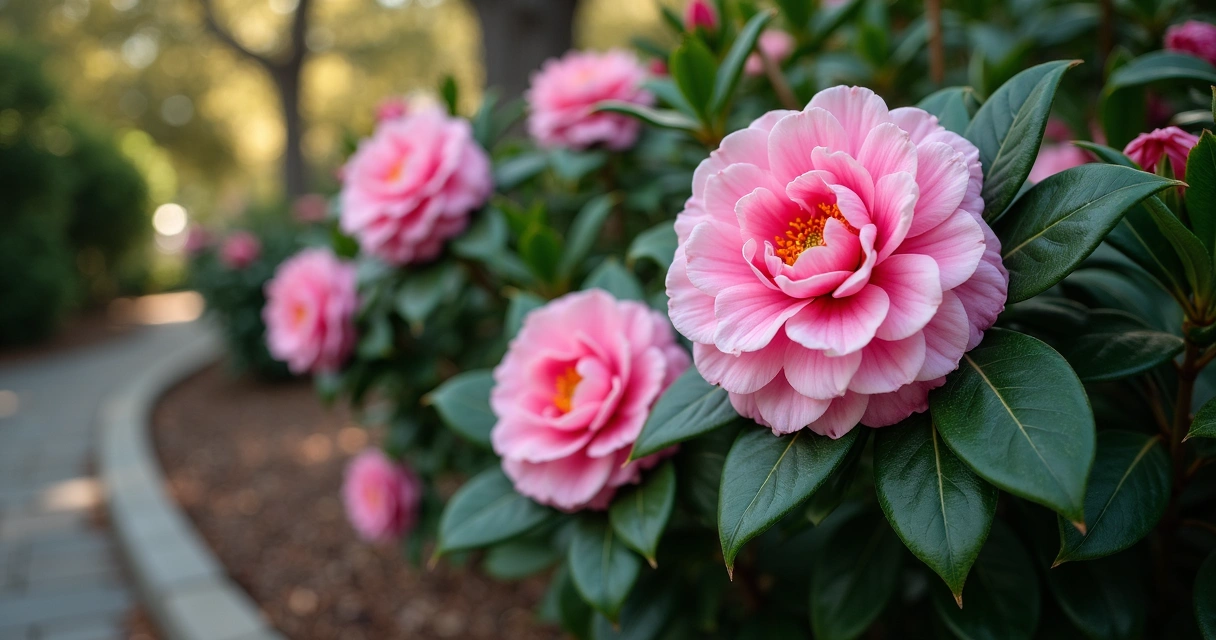
Camellias: the evergreen blooms
Known for shining in December through early spring, Camellias are often mistaken for roses from afar. They offer reds, whites, and pinks—all on glossy, dark green leaves. Partial shade locations with protection from fierce afternoon sun help them flourish in Austin. Urban Oasis has used Camellias to lift gardens that crave structure and color at once.
Hellebores: the winter rose
Also called Lenten rose, Hellebores open low to the ground in late winter. These delicate cupped blossoms appear in purples, whites, greens, and pinks. Their foliage survives throughout the colder months, adding interest even when blooms are done.
Pansies and violas: the bright faces
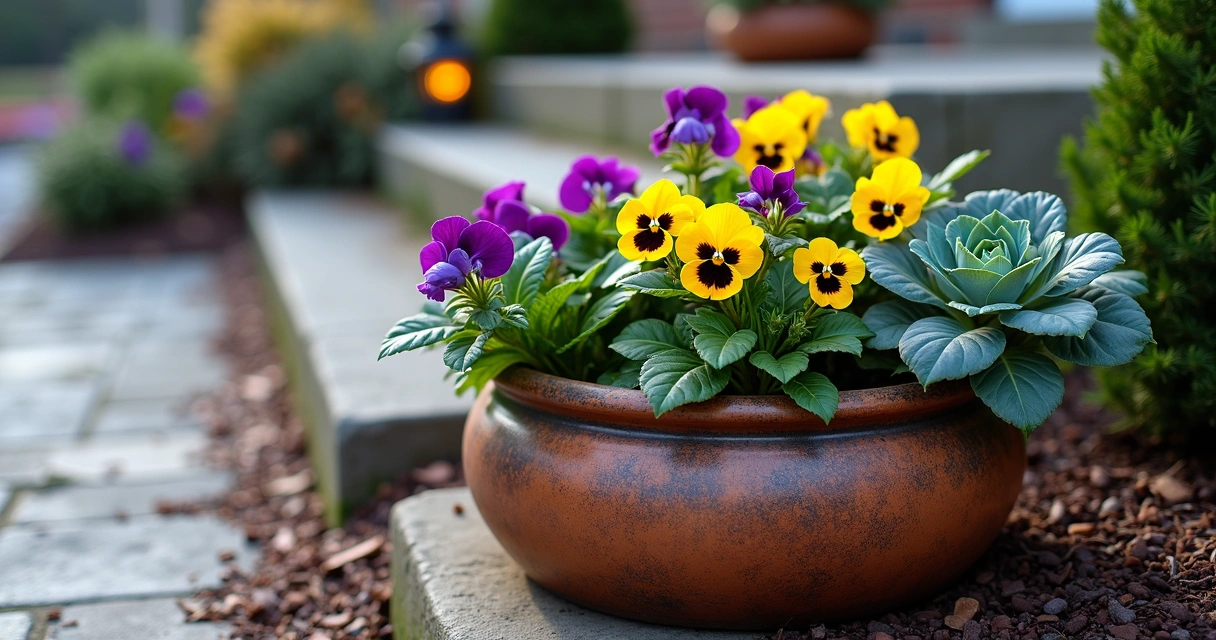
Few flowers are as cheerful in cold weather as pansies. Their petals flash with purples, yellows, and blues from November into March, coping bravely with sudden dips in temperature. Violas, their smaller cousins, are even more weather tolerant. Tucked around walkways or in patio containers, they refresh the eye.
Snapdragons: early color in mild winters
If Austin’s winter stays soft, snapdragons sown in autumn can persist and offer tall spikes of white, yellow, or red in January. Taller varieties fit back borders; short snaps fill planters.
Winter jasmine: a gentle climbing yellow
In rare places, winter jasmine twists across fence lines or low walls. Its yellow blooms gather before spring, bright as candlelight, while leaves stay mostly hidden. For those who like subtlety, winter jasmine supplies delicate contrast, especially against hard surfaces or gravel.
Berry producers that brighten the cold
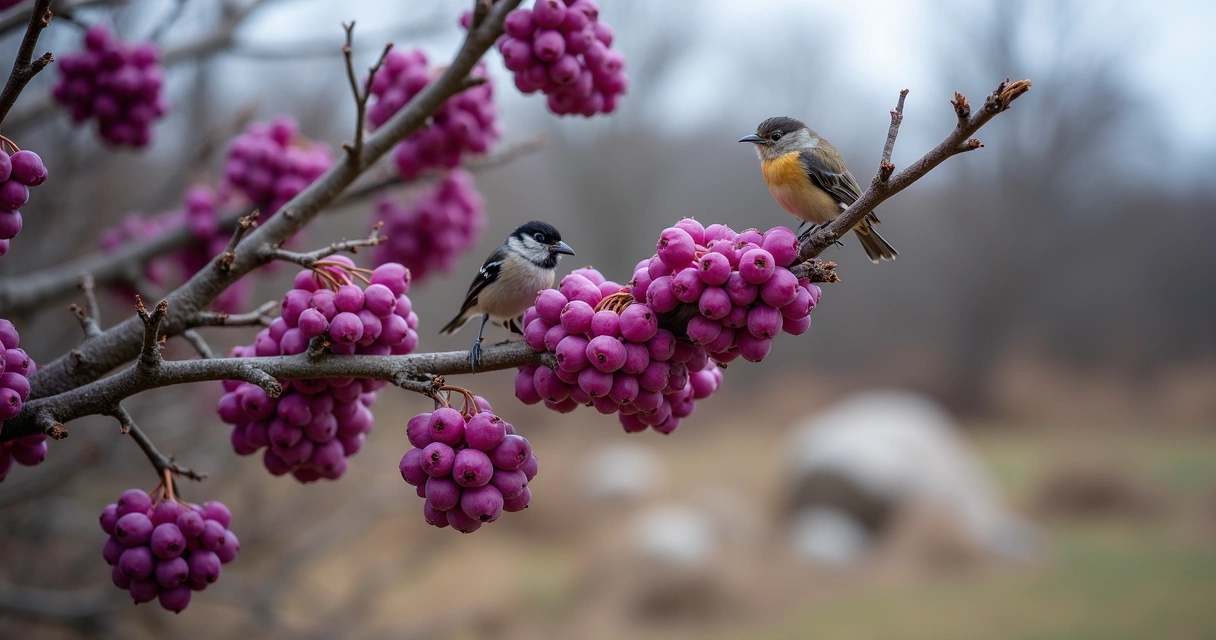
Flowers aren’t the only way to add winter color to Austin gardens. Shrubs that hold onto vividly colored berries can rival any blossom for visual interest. The food they supply to birds and local wildlife is a gentle bonus—drawing motion into a dormant season.
- Yaupon Holly: Both the classic and the dwarf cultivars feature persistent red berries that pop against gray skies and muted backgrounds. The twisting branches themselves become sculptural. These are native and adapted, long-lasting through hard freezes.
- American Beautyberry: Part-shade sites see elegant, arching stems densely lined with purple. Even after leaves drop, berries hang on for weeks, sometimes into spring.
- Possumhaw: Deciduous, but once its leaves drop, brilliant red berries remain. This tree can handle the Texas cold, showing off in both formal and naturalistic landscapes.
Uncommon options for structure and hue
Sometimes gardens need depth rather than just splashes. That comes from combining perennial structure with flashes of unexpected color. Think beyond blooms: stems, seedheads, and textured foliage layer interest into any winter plan.
Ornamental grasses: movement and bronze
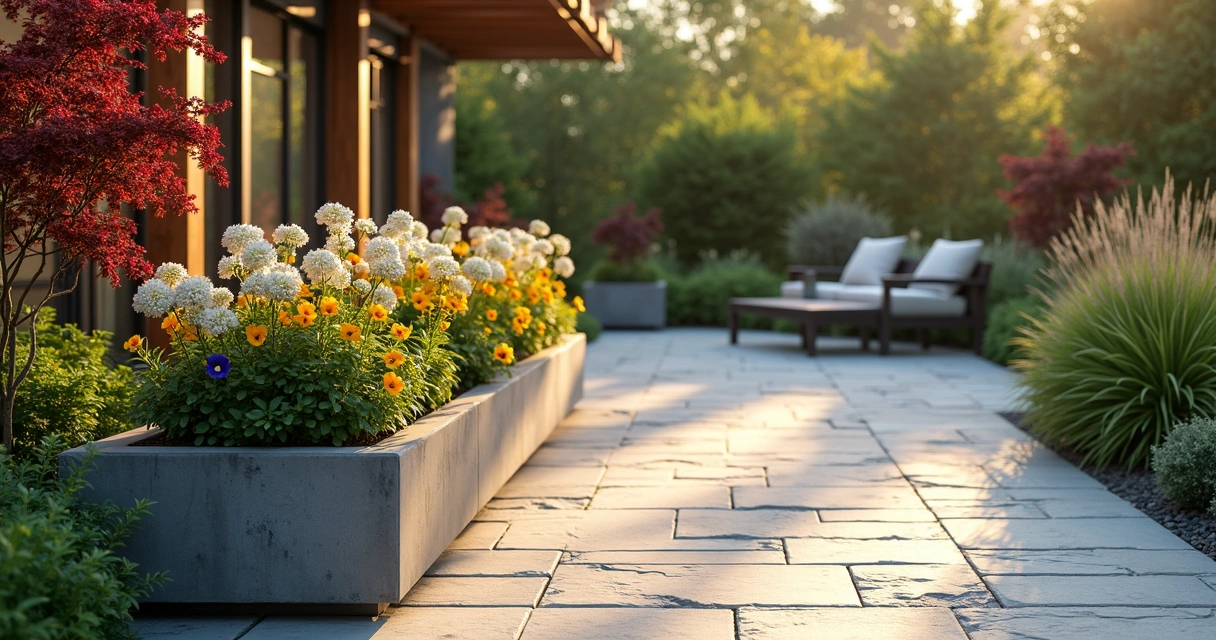
Mexican feather grass and Gulf muhly carry golden or pink-tinged plumes that remain long after summer’s heat. When caught by the low sun, these swaying mounds cast movement into the stillness of winter. The subtle color on each stalk softens cold, geometric lines of decks and patios created by Urban Oasis.
Redtwig dogwood: color in the branches
Redtwig dogwood surprises in its bareness. Once leaves fall, its striking crimson stems become a painter’s mark on the winter lawn. Planted near white stone features or snow (rare but possible!), they offer dramatic punch.
Dusty Miller and ornamental cabbage: leaf as highlight
Urban Oasis sometimes relies on foliage when it comes to mixing color without fuss. Dusty Miller brings silvery-white tones, while ornamental cabbage unfurls purple and green rosettes that seem to glow in the low light. Both survive frosty spells, filling borders and container gardens beside entryways, decks, or pavilions.
Creative planting strategies for winter color
The real secret? The way you group and layer your selections. With careful thought, winter gardens in Austin can move well beyond greens.
Try these ideas for mixing and matching:
- Cluster pansies in wide, shallow pots, then edge with Dusty Miller
- Weave native berry shrubs with evergreen groundcovers for both color and protection
- Plant Camellias in clay containers by your entry—so every doorstep feels alive
- Use Redtwig dogwood as living sculpture near patios or decks
- Mix early winter bloomers, like snapdragons, with long-lasting ornamental grasses
For many homeowners and businesses, this experimentation is where Urban Oasis shines. A landscape design is not just a technical drawing or plant list—it’s guidance on timing, texture, and how to let each element look its best, even in the cold.
Garden design ideas to keep blooms coming
After you’ve chosen a palette that works for your space, how do you keep those blooms and colors advancing all winter? Planning is part of it—nature always has its opinions—but steady care pays off when done right. Here are a few thoughts, drawn from successful winter gardens:
- Stagger your choices: Pick varieties that bloom or show color at slightly different times, so your garden never feels empty.
- Focus on containers: Moveable pots let you protect delicate plants from sudden freezes, or shift color where it’s needed most.
- Feed sparingly: Too much fertilizer confuses winter bloomers—less is more until spring.
- Mulch with style: Bark or stone mulch not only keeps roots safe but also frames flowers and berries with warmth.
- Edge with evergreens: While this article moves past basic evergreens, framing color with boxwood or holly helps hold the look together.
Urban Oasis often recommends low-maintenance yet striking landscaping for these winter months. Choose fewer, bolder plants, and let their color run uninterrupted alongside decks and walkways.
Adapting to climate shift: new plant selections
Austin’s winter is no longer fixed. It isn’t the winter your grandparents knew. Reports confirm that plant hardiness zones in Central Texas have drifted northward. As a result, more species than ever can risk a try in local gardens.
However, this also means unpredictable events—a sudden deep freeze, then a week of warmth. Some plants, such as pansies or hellebore, seem undisturbed. Others, perhaps a new hibiscus or delicate annual, might struggle.
In practice, it pays to choose a mix. Place the experiments where you can protect or easily replant them. For more on surviving spring weather, see Urban Oasis’ tips at their cold-hardy plant recommendations for Texas.
Winter wildlife: who enjoys the color?
Winter gardens are rarely just for people. By including berry-producers and cool-weather bloomers, you welcome wildlife into the landscape. Cardinals and blue jays linger over holly and beautyberry shrubs, while bees on warmer days find pansies and late season camellias.
Mixing food and shelter encourages healthy gardens. Use seasonal plant guides by Urban Oasis to find more native-friendly combinations.
Winter color breathes life—often quite literally—into empty yards.
Planning for future winters
Perhaps it’s not this winter, but the next—or the one after—when you’ll really see the payoff. Each year, as garden records accumulate, the rhythm of cold and bloom changes slightly. Tracking which plants succeed or fail after winter weather shakes things up is a key habit. Sudden plant loss? It might signal stress. There are resources like guides on plant shock that can help fix mistakes promptly.
The best winter color sometimes comes from patience: watching, re-planting, reading your landscape, and adjusting. Even Urban Oasis’ experts admit, the process isn’t perfect. Learning from both successes and surprises is part of the joy.
Design details: how Urban Oasis helps
Color is just one part of winter garden design. To really make it work, patterns, structure, and experiences matter just as much.
- Hardscape and softscape connection: A deck or patio gains extra warmth when edged by berry shrubs or potted camellias. Using modern composite or timber blends—as Urban Oasis often does—lets detail shine through even when flowers are sleeping.
- Lighting: Low-energy outdoor lights can highlight colored stems, night-blooming flowers, or subtle foliage. Small uplights among pansies or mahonia can create winter’s version of a starry sky.
- Integrated seating: Benches that nestle next to winter flowers keep spaces functional. Even a short morning coffee outside feels different beside blooming hellebores.
A garden, after all, isn’t only something you look at—it’s a place to live in, linger in, even when the air is crisp.
Year-round garden health: quick tips
What keeps winter color alive, season after season? A few reminders:
- Water gently in dry weeks; winter wind dries soil quicker than you think
- Protect roots with healthy layers of mulch
- Guard tender flowers from rare hard freezes with light sheets or garden covers
- Prune only what needs it—don’t overcorrect after a cold snap
For more on keeping every season lush, see Urban Oasis’ advice on year-round landscape success.
Color and comfort: the Urban Oasis way
So maybe you’re picturing your own deck—a glass of something warm in hand—while beyond, winter color persists quietly, insisting that cold months don’t have to be dull after all. When your garden reflects Austin’s weather, shifting yet rich, you know you’ve found more than a palette. You’ve created an experience.
If you’re curious where to begin, or want design ideas tailored for your home or business, Urban Oasis is ready to help. We design, build, and bring out the best in outdoor spaces, whatever the season and whatever the weather has in mind.
Winter isn’t a break; it’s a chance to reimagine beauty.
Are you ready to fill your January with brightness and comfort, or let your business space welcome clients with a flourish—even in February? Discover how Urban Oasis can realize that vision. It all starts with a conversation. Fill out the form below to turn your ideas into an outdoor retreat that stands out, every month of the year.
Frequently asked questions
What are the best winter blooming plants?
Several reliable bloomers bring color to Austin gardens in winter. Camellias are a favorite, with their rose-like flowers on glossy green shrubs. Hellebores (Lenten rose) provide soft-petaled blossoms from late winter on. Pansies and violas thrive even during cold snaps, while snapdragons can survive and flower if temperatures stay mild. For subtle yellow blooms, winter jasmine is a gentle addition.
How can I add winter color in Austin?
Mix evergreen structure with flowering annuals and perennial bloomers. Plant pansies, violas, and ornamental cabbage for bold, low color. Include shrubs like Yaupon holly and American beautyberry for berries that last through winter. Consider camellias and Hellebores for flowering, and mix in unique branches like Redtwig dogwood. Layer textures with ornamental grasses and use mulch for contrast and root protection. Adjust plantings as seasons shift.
Which flowers survive Austin winters?
Pansies, violas, snapdragons (in mild years), Hellebores, and Camellias all handle Austin’s variable winters. Dusty Miller and ornamental cabbage add color as foliage, not flowers, and survive short freezes. Snapdragons and Dianthus may persist in protected corners. Always check local conditions, as late-season extremes sometimes affect even hardy annuals.
Are there colorful shrubs for winter gardens?
Yes. Yaupon holly displays striking red berries among dark evergreen leaves. Possumhaw, a deciduous holly, holds onto red berries after dropping its leaves. American beautyberry offers bright clusters of purple fruit. These shrubs hold their color well through winter, supporting wildlife and breaking up green monotony. Camellias also count, with ongoing blossoms on robust shrubs.
When should I plant for winter blooms?
In Austin, fall is usually the best season to plant for winter color. Pansies, violas, cabbage, and snapdragons should go in by October or early November for strong roots. Plant Camellias and shrubs like holly or beautyberry in autumn, allowing them to establish before colder weather arrives. Some perennials, like Hellebores, can be planted in late fall or very early spring if the ground isn’t frozen.