

The Austin winter might not transform your yard into a snowy wonderland, but it’s still a distinct season with its own quirks, colors, and rhythms. When November finally shakes off the last gold leaves, porches and patios often start to feel a little forgotten. Yet it doesn’t need to be that way. If you want plant life, color, texture, and even fragrance outside your window through these chill months, winter container gardens might be the answer.
Who says the growing season is over?
With the right plan—and a few local tips—your porch, patio, or entryway can look alive all season long. Maybe you’ll catch yourself sipping your morning coffee outside. Or hosting winter evening gatherings beneath twinkle lights, surrounded by flowers, evergreens, and garden art. That little spark of green is more powerful than you think.
Why winter containers work for austin
Austin’s climate is unique. Our winters are mostly mild, but sharp cold spells and sudden temperature swings do happen. Potted plants on the porch or patio are more than just a visual treat—they’re practical. Containers can be shifted, covered, and protected from erratic weather. And, with the right design, they can turn any outdoor space into a retreat, even in January. Urban Oasis sees this all the time with residential and commercial projects that transform otherwise dormant corners of the city.
Adaptability and creativity are at the heart of winter container gardening in Austin.
Choosing the right winter containers
Your first decision isn’t what to plant, but what to plant in.
Material matters
While clay or terracotta pots are classic, porous materials can crack or disintegrate when exposed to cold, moisture, and freeze cycles. According to Colorado State University Extension, non-porous containers like glazed ceramic, fiberglass, resin, concrete, and thick plastic last longer in winter. And they’re lighter, so it’s easier to move them if you need to shelter tender plants from a cold snap.
- Glazed ceramic – beautiful, colorful, holds up well if it drains properly.
- Resin and fiberglass – lightweight and durable, with plenty of color options.
- Concrete – looks modern and sturdy but can be tough to move.
- Plastic – practical and affordable, especially for large arrangements.
Choose containers that make you happy every time you see them.
Size, drainage, and design
Bigger isn’t always better—unless it’s winter. Larger containers insulate roots better and dry out more slowly. Make sure yours have drainage holes; otherwise, roots can drown after a rainstorm or two. Place saucers beneath planters to catch overflow, but dump them after heavy rain to prevent root rot.
A little detail sometimes gets overlooked: container color. Research from the USDA Agricultural Research Service found that white or light-colored containers can lower soil temperatures in winter, which actually protects roots and conserves fertilizer. If you love the look of a bold blue pot, go for it—just know that lighter colors could offer a bit of a thermal buffer on frosty nights.
Designing with color and texture in winter
Winter gardens don’t have to be dull. While growth slows, you can still create surprising drama, charm, or calm—whatever you like. Yes, you can have color and structure.
Using foliage for interest
- Evergreen shrubs (like dwarf yaupon holly or boxwood) – provide lasting color and form.
- Heuchera (‘Coral bells’) – brings purple, burgundy, or coppery hues.
- Ornamental grasses – their movement puts life into a chilly landscape.
- Ferns – delicate textures thrive on shadier porches.
Winter flowers that don’t quit
What about blooms? Austin’s weather lets a surprising range of flowers strut their stuff even in winter. Think pansies, violas, ornamental cabbage and kale, snapdragons, and cyclamen. These annuals keep their color in chilly air, especially in groups with a mix of heights and shades.
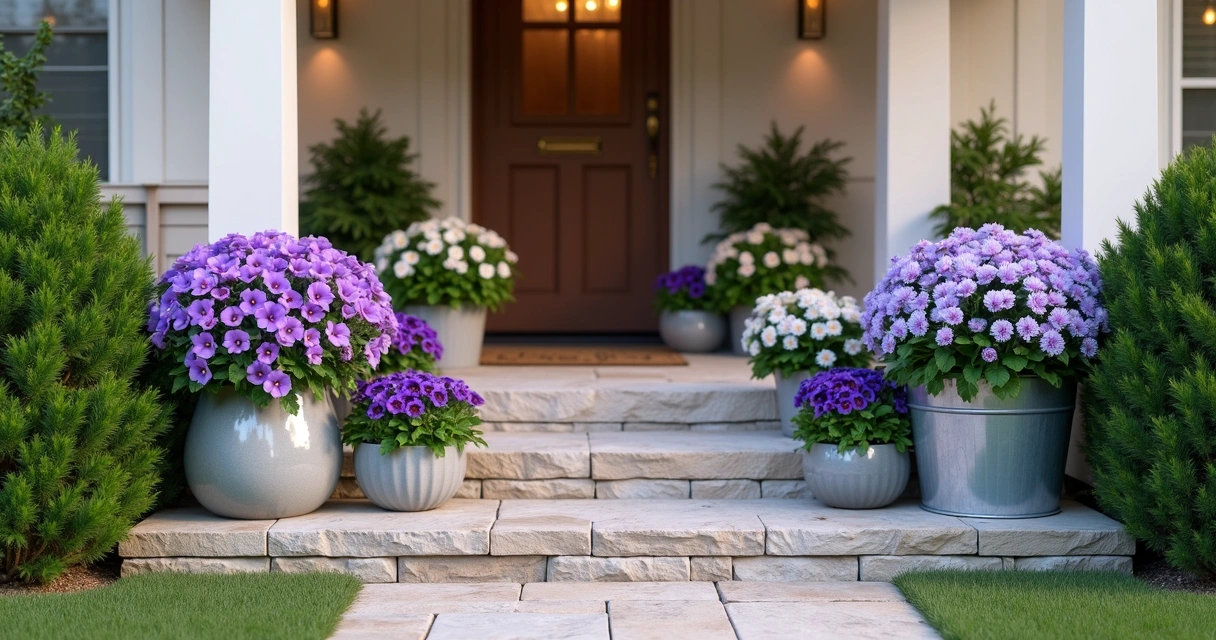
Let’s not forget fragrance. Sweet alyssum and stock, or even rosemary and lavender, offer a gentle perfume even as temperatures dip.
Unexpected touches
- Red berries – like holly or nandina, add pops of holiday color.
- Twigs or branches – curly willow, dogwood, or manzanita instantly lift a design.
- Winter succulents – sedums and echeveria still look sculptural, even when dormant.
Now and then, try placing a garden sculpture or lantern in with your containers for added intrigue. Urban Oasis often includes sculptural accents for clients wanting a sense of artistry, blending modern style with the organic, winter palette.
Plant combinations for austin winters
There’s a rough formula that works—“thriller, filler, spiller.” It sounds gimmicky, but it helps remind you to mix heights, textures, and habits.
- Thriller: The upright, eye-catching feature. Think an evergreen shrub, tall grass, or a showy winter-flowering plant in the center or back.
- Filler: Plants that round out the middle. Annuals (like violas or alyssum) or mounding perennials (like oxalis or dusty miller).
- Spiller: Trailing greenery or flowers that drape over the container’s edge—ivy, creeping jenny, or dichondra.
Here’s a quick sample palette for a classic, colorful Austin winter container:
- Center: Dwarf holly hosted for structure
- Filler: Mixed pansies and cyclamen in pink and violet
- Spiller: Evergreen ivy trailing over the side
- Accent: Branches of red-twig dogwood and a few pinecones for texture
For shadier porches, substitute ferns and heuchera for the sun-lovers above. For the sunniest patios, ornamental cabbage, snaps, and alyssum will shine.
Container placement ideas for porches and patios
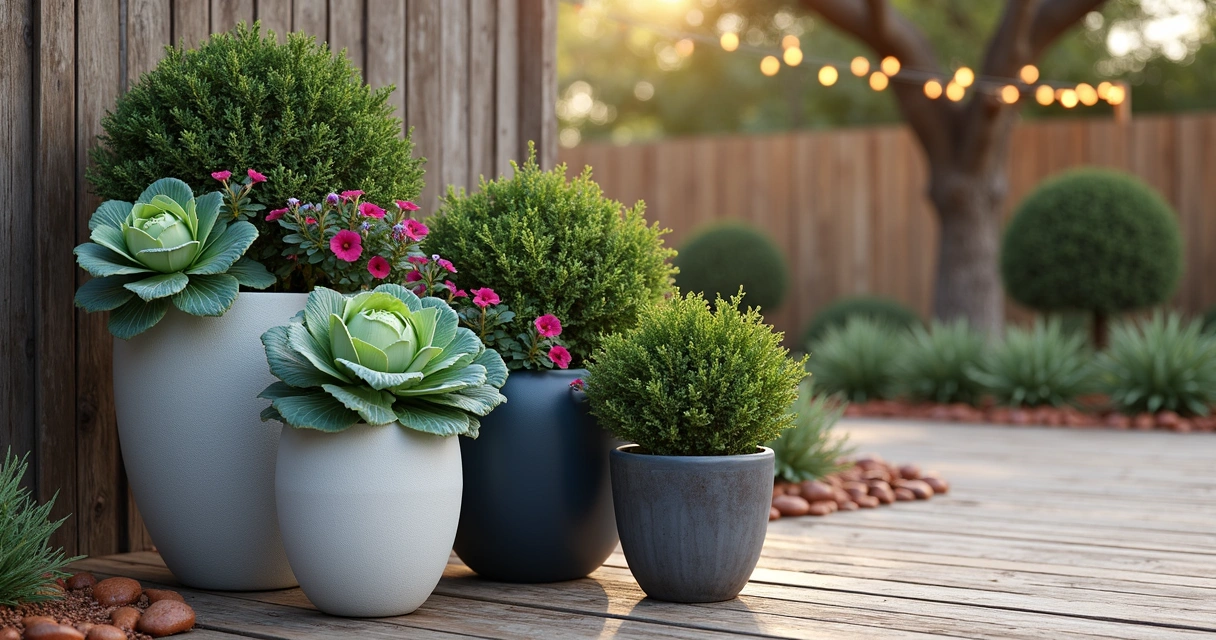
You can simply set a container by the front door or line a walkway with pairs. But try these combinations for a layered, designer look:
- Groupings of three or five with similar colors but different textures
- Varying heights to give the display a pyramid effect, tallest in the back
- Matching containers for a formal look, or mix mismatched for a more free-spirited feel
- Scatter lanterns among the pots to illuminate shapes and winter blooms at night
On decks or patios, containers can also hide utilities or soften the hard edges of retaining walls. Along a fence, tall planters create the illusion of a garden bed where there’s only pavement underneath.
Your patio can be just as inviting in December as in June.
Tips for winter care and maintenance
Austin winters are gentle compared to the north, but unpredictable freezes or (rare) ice events do occur. Here’s how to keep those porch pots healthy all winter:
- Water before a freeze – moist soil retains heat better.
- Elevate containers with pot feet or bricks, so water drains and the soil doesn’t stay saturated.
- Mulch the soil surface with pine straw or bark to protect roots from overnight chills.
- Move portable containers into protected locations or up against a south-facing wall to soak up extra warmth.
- Watch for winter sunburn on evergreens—move those that look stressed to shadier spots for a few days.
Pests aren’t just a summer issue. According to the Texas A&M AgriLife Extension Service, cabbage loopers, aphids, snails, slugs, and beetles can hang around and nibble even cold-tolerant plants. Check for holes in leaves, sticky residue, or trails on soil, and remove pests by hand or with organic controls.
High-impact displays with low effort
Not everyone wants to fuss over their garden in January. Winter container displays can be flashy with pretty minimal maintenance. Focus on sturdy, long-blooming plants and keep designs bold but simple. Low-maintenance, high-impact landscaping doesn’t mean giving up on beauty. Sometimes a single large pot, elegantly planted and placed, becomes a statement piece for months on end.
Urbane touches for modern spaces
Urban Oasis often recommends crisp lines, cool-toned foliage, and geometric containers for homes with modern architecture. Silvers, whites, and blues—like dusty miller, English lavender, and silver artemisia—set a contemporary mood. Tiny LED lights woven through an evergreen bough complete the look for evening gatherings.
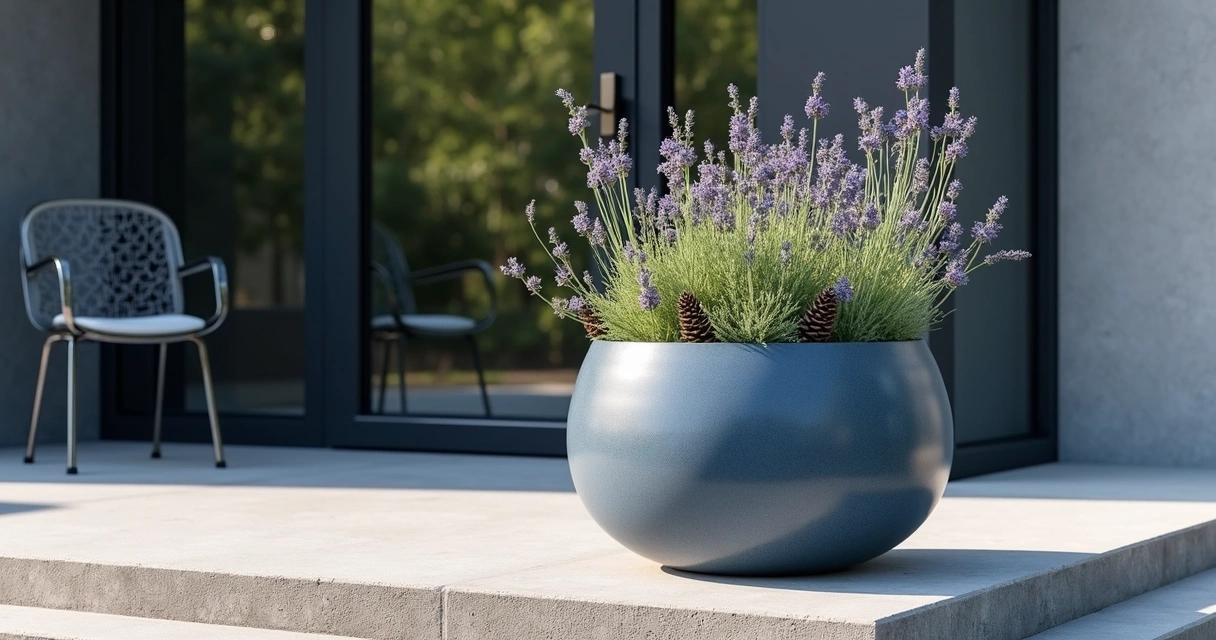
For a more traditional Austin porch, you might group classic terracotta containers planted with pansies, kale, and sprigs of rosemary for both color and culinary use.
Native and adapted plants for sustainable winter beauty
Native plants aren’t just for flower beds—they’re perfect for winter containers. They handle unpredictable weather, need less fussing with water, and resist local pests. The City of Austin’s Grow Green program encourages homeowners to choose local or well-adapted species, both for easier success and environmental impact.
- Cedar sage – persistent green foliage all winter, creamy flowers in January
- Columbine – evergreen basal leaves, flowers appearing in very early spring
- Salvia greggii – evergreen foliage and scarlet blooms in mild winters
- Rock rose (Pavonia) – glossy leaves, sometimes sporadic pink flowers in winter sunshine
Mixing these with tough imports like dusty miller, kale, or ajuga makes for containers that look sharp with less risk.
Using edibles as ornamentals
Did you ever consider parsley or chard purely for their looks? In winter containers, leafy greens pull double duty. Ornamental cabbages and rainbow chard bring saturated magenta or gold veins. Parsley stays fresh and curly. Even a pot of rosemary or thyme adds form and aroma. And you can snip herbs for the kitchen throughout the season.
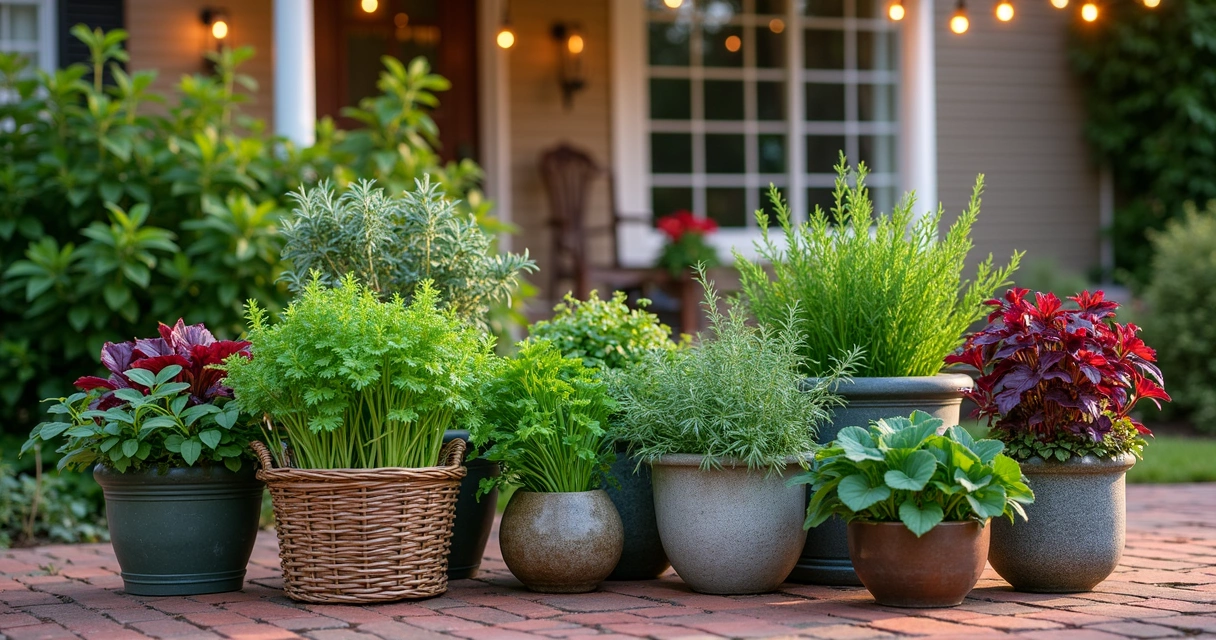
Choosing edibles in colorful pots can inspire kids (and adults) to spend more time outside, even in chilly months.
How to personalize your winter container garden
The secret ingredient: yourself.
Start by imagining how you’ll use your space. Do you want something dramatic to greet visitors? A spot by the patio chairs that lifts your mood on gloomy mornings? A screen of green for privacy or to mask a neighbor’s fence?
- Mix in shapes, colors, and materials already found in your porch or patio design. If your door is deep blue, echo it in ceramic pots or dwarf blue fescue.
- A sun-bleached Buddha or a vintage watering can turned planter can inject a little whimsy.
- Baskets, logs, stones, or mosaic tiles can all join the party, too—let it be a reflection of your taste and comfort.
Urban Oasis often encourages mixing scented herbs and plush textures near sitting areas, making winter evenings outside feel more inviting. For those with tiny balconies or limited space, a vertical garden approach stacks planters to maximize greenery without crowding.
Preparing your containers for austin’s cold spells
It sounds dramatic, but once or twice each winter, Austin gets hit with a hard freeze. Not only does this threaten tender plants, but sudden ice can crack pots and damage roots.
According to Texas A&M AgriLife Extension Service, a hard freeze can see temperatures dip below 15°F—rare, but not unheard of. Here’s how to ride it out:
- Wrap pots in fabric, bubble wrap, or burlap to insulate them. Don’t forget the base!
- Cluster containers together on the warm side of the house to shield from wind.
- Move small pots indoors or into a garage during extreme cold snaps.
- Water the day before, never after a freeze, so roots are less stressed.
After danger passes, remove covers and shift containers back to their winter display spots.
Eco-friendly touches and sustainability
The beauty of container gardening in Austin is how sustainably it fits city life. Containers use less water than in-ground beds. They make it easier to use compost, mulch, and even recycled materials; upcycled planters from old buckets or barrels can be interesting, sturdy, and environmentally conscious.
If you want more tips on sustainable planting and strategies for every season, Urban Oasis keeps a lawn and gardening tips section with ideas that match our local climate and your sensibilities.
Using winter containers as part of a year-round porch or patio plan
Think of winter containers not just as stand-alone decor, but as the backbone of a four-season outdoor room. Come spring, pansies can be swapped for petunias, evergreens spruced up with summer blooms, and your favorite pots will already be right where you want them.
Urban Oasis approaches every project with seasons in mind. Durable containers and clever plant picks can mean your porch or patio never looks barren—just changes with the month. Curious about year-round strategies? Their tips for year-round landscape success might help you build a plan that fits your lifestyle and maintenance preferences.
A porch filled with color. All winter long.
Common mistakes to avoid with winter pots
Everyone makes mistakes at the start. Here are a few to sidestep so those containers stay healthy:
- Too-small pots, which dry out or freeze quickly
- Planters without drainage holes (plants will drown after a single good rain)
- Over-fertilizing in cold months—it stresses plants and can stunt blooms
- Ignoring pests, which can be sneaky and persistent even in winter
It probably goes without saying, but never use garden soil alone in containers. It compacts and drains poorly. Go with high-quality potting mix.
Resources and inspiration for austin gardeners
Sometimes, the best ideas come from seeing what your neighbors or local experts are doing. Austin’s gardeners are an inventive bunch. From repurposed vintage sinks as planters to bold groupings of potted hollies by the front porch, you’ll find plenty to inspire you.
You can also find more suggestions on sturdy plants, seasonal design, and container inspiration in our guide to cold-hardy plants for Texas and related blog posts.
Looking for something even more personalized or transformative? That’s where the Urban Oasis approach shines—designing tailored porch and patio plans, choosing the right materials and plants, and ensuring your outdoors remains a refuge throughout winter and beyond.
Conclusion: winter container gardens for every austin home
Maybe you’re dreaming of a bold, modern planter to greet guests at your entry. Or craving a seasonal garden filled with winter blooms and textures for your favorite porch spot. Whatever your vision, winter container gardens can bring it to life with color, resilience, and creativity suited to Austin’s climate. You’ll support local wildlife, save water, and discover that a winter landscape can be every bit as engaging as spring or summer.
Urban Oasis simplifies the process—meeting you at your home, listening to your ideas, and guiding you through design, installation, and care. If you’re ready to brighten your outdoor space, start by filling out the form below. A fresh porch or patio is waiting for its season in the spotlight.
Transform your winter garden with expert design and local knowledge from Urban Oasis. Your new favorite season might just be January.
Frequently Asked Questions
What plants thrive in Austin winter containers?
Austin’s winter is friendly to a range of plants, especially those that handle cold snaps and sunny, dry spells. Popular choices are pansies, violas, ornamental cabbage and kale, snapdragons, cyclamen, and evergreens like dwarf boxwood and yaupon holly. Heuchera, dusty miller, ferns, and many types of native sage perform well too. Herbs such as rosemary and parsley are both cold-hardy and attractive. Grouping these plants can help create lively, long-lasting winter displays tailored for local weather patterns and personal style.
How do I design a winter porch planter?
Start with a large, insulated container with drainage holes. Use a quality potting mix. Begin your design with something tall or dramatic in the center or back—a “thriller”—like an evergreen shrub or tall flowering plant. Add mounds of winter annuals such as pansies (your “filler”) and let trailing ivy, dichondra, or Creeping Jenny (“spiller”) tumble over the pot’s edge. Select colors and textures that match your porch style. Finish with accents like decorative twigs or berries. Position your container where it gets shelter from wind and at least a half day of winter sun for best results.
Are container gardens good for Austin patios?
Absolutely. Patio container gardens suit Austin’s climate well because they adapt easily to shifting weather. Containers can be grouped, rearranged, or moved indoors to avoid freeze damage. They allow for creativity in planting schemes, support native and water-wise species, and often need less water than garden beds. With the right material and size—favoring non-porous, sturdy pots—they’re a perfect fit for modern Austin porch and patio design.
Where to buy winter container plants in Austin?
Winter-hardy container plants for Austin can be found at many local nurseries, home improvement stores, and farmers’ markets. Look for independent nurseries that specialize in native and adapted plants, as well as seasonal markets offering pansies, cyclamen, ornamental kale, herbs, and evergreens. Selecting plants personally allows you to check for freshness, adapt your arrangement to pot size, and discover new favorites. Other good sources include plant sales, botanical gardens, and city gardening programs focusing on local sustainability.
How to care for winter patio planters?
Water containers before expected cold spells, as damp soil protects roots from chill. Avoid overwatering; winter plants use less moisture. Add mulch over the soil surface for insulation. Check regularly for pests—even aphids can linger on cool days. Move containers to warmer spots if a hard freeze is coming. After any severe cold, remove covers and damaged leaves, tidy up, and fertilize lightly only in late winter if needed. Regular checks and some quick adjustments will keep your patio planters healthy right through into spring.