
As someone who has nurtured landscapes in Austin for years, I know firsthand that winter can be both kind and harsh. We wait for mild days, but sudden cold snaps often catch gardens off guard. The secret is preparation. With a smart plan and reliable strategies, your Austin garden can step into spring strong and healthy. I share my approach not because I think winter is a threat, but because I see it as an opportunity for creative care. If you’re ready to preserve both beauty and function outdoors—even in winter’s chill—this guide is for you.
Understanding Austin winters: what makes them unique?
Austin’s winters are unpredictable. We may see weeks of gentle sun, only for a hard freeze to appear out of nowhere. According to City of Austin guidance, plants are one of the “4 P’s” to protect when dangerous weather arrives. The rollercoaster of temperatures means plant care here takes both anticipation and flexibility.
Winter preparation is about protecting roots first, then tender tops.
In my experience, most garden failures after winter come from underestimating that wild Texas weather pattern. But with the right plan—including sustainable steps like those promoted by Urban Oasis—your space can be both inviting and robust.
Building a freeze weekend action plan
A sudden freeze is when preparation meets practice. I break my freeze weekend planning into three easy days—Friday (prep), Saturday (protection), and Sunday (evaluation).
- Friday: Get ahead by applying mulch, checking drainage, and watering only if the top 1-2 inches of soil are dry. Fresh roots are always the first to suffer, so a blanket of mulch can make all the difference.
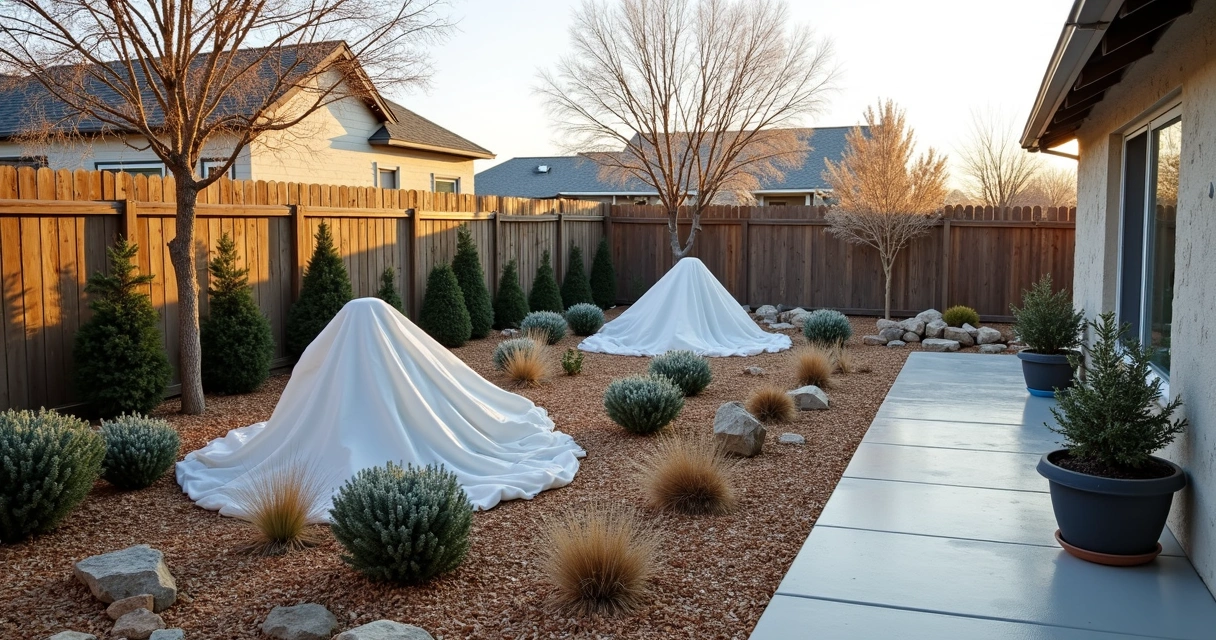
- Saturday: Right before sunset, cover sensitive plants thoroughly. I secure the covers to the ground and use stakes, tomato cages, or hoops so fabric doesn’t press on delicate leaves.
- Sunday morning: Once the ice melts and temperatures lift above freezing, gently remove or vent the covers. If another freeze is on its way, repeat the protection steps before dusk.
During rain or ice, I always keep covers dry and well-ventilated, following official Austin recommendations. If you remember nothing else from this guide, remember root protection comes first.
Quick priorities: what really matters in winter plant care
Sometimes I am asked, “What’s the single most effective way to prevent freeze damage in Austin gardens?” The answer is simple: insulation. Focus on roots with a mulch blanket, then protect tops from wind and frost.
- New plantings and containers face the highest risk. Tackle these areas first.
- Wind attacks from the north; use barriers for shrubs and group pots together along the south or east side of your home.
- Never fertilize, prune, or let plastic touch your plants in winter. These mistakes can undo months of care.
For a full rundown of seasonal best practices, I often check these tips for year-round landscape success and adapt them as the weather shifts.
The supplies checklist: what do I need before the cold?
I keep a winter bin stocked near my potting bench each year, and it truly pays off. My go-to checklist includes:
- Frost cloth, freeze fabric, or thick old sheets/blankets
- Stakes, hoops, or tomato cages for supporting covers
- Clamps, clothespins, bricks, or rocks to hold everything in place
- Mulch—wood chips, bark, straw, or leaves
- Burlap or shade cloth for wind protection
- An optional tarp or plastic, but only as a rain ‘roof’ that never touches foliage
With these supplies ready by Saturday morning, I rarely scramble when cold hits.
Smart watering during Austin winters
Water too much and roots rot. Water too little and they dry out. The answer is balance. I touch the soil; if the top 1-2 inches are dry, I water—ideally at midday so it won’t freeze overnight. The biggest mistake I see? Leaving potted plants sitting in trays of water. Drainage matters.
Trees especially benefit from deep watering ahead of hard freezes. This matches Austin’s forestry guidance and is echoed in sustainable projects I plan with Urban Oasis.
Soil needs to be moist, not soggy, to protect roots during a freeze.
Mulch: your winter shield
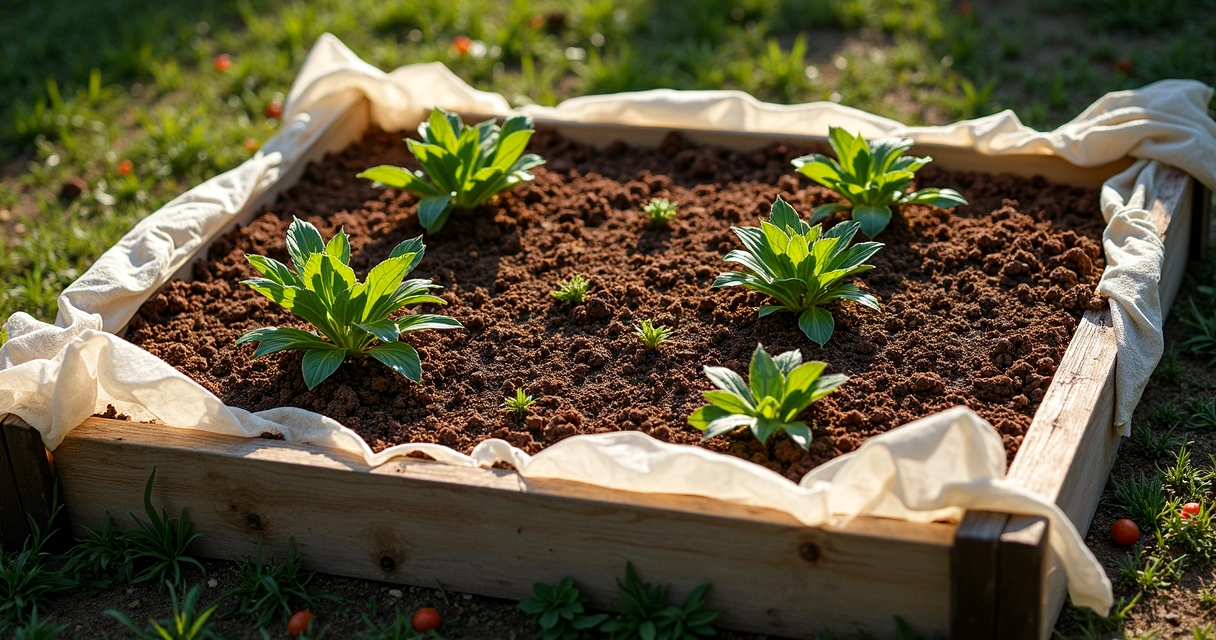
Layering mulch—2 to 3 inches deep—over root zones is like giving every plant a cozy coat. This is my first step every winter.
- Mulch keeps temperatures steady and minimizes water loss.
- I avoid piling mulch against trunks or stems. It may cause rot if it gets wet and stays packed.
- Leaves, bark, and straw all work. Sometimes, I even use shredded newspaper in a pinch.
Organic matter in the soil does more than keep roots warm. According to advice from the City of Austin, it also improves tree health year-round. I’ve seen the impact first-hand on many Urban Oasis landscapes.
Cold protection tactics: the right way to cover plants
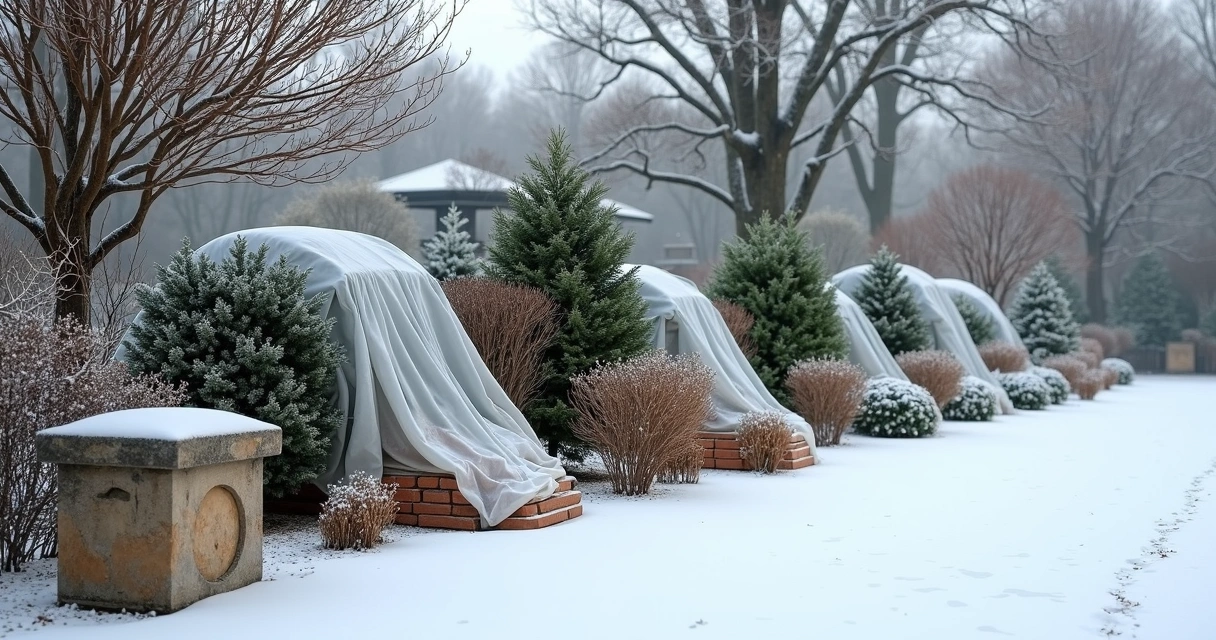
Covering can be the difference between a garden that survives or one that needs replanting come spring. It is not about heavy goods; it’s about technique. Always drape fabric covers to the ground, make sure the material is not pressing against leaves, and secure all edges. This traps warmth from soil and keeps frost out.
- Support covers with hoops or stakes to prevent damage
- For rain or ice, place a plastic ‘roof’ above fabric, never allowing plastic to touch plants
- Group pots together for mutual protection, especially beside the warm side of a house
- Hold off on pruning until spring—even damaged tips shelter what’s beneath
For more details about protecting tender and cold-hardy specimens, browse the guidance in the best cold-hardy plants for Texas gardens.
The special needs of recent plantings and containers
Freshly-planted roots haven’t dug deep yet. They freeze and dry much faster. For these, I use generous mulch rings—even wider than the original planting hole. Thin-barked trees sometimes need a trunk wrap on exposed sides during deep freezes.Potted plants? I treat them as if they’re living a whole planting zone colder. Going the extra step to move them against the protected side of the house means higher odds they’ll return in spring.
Grouping containers together and wrapping pots in burlap or bubble wrap also helps, a method as popular at Urban Oasis job sites as it is in my own garden.
What I never do in winter plant care
Some lessons, I learned the hard way. I never:
- Apply fertilizer before the last frost—new growth is soft and easily damaged by cold
- Prune until true spring shows up—those “ugly” tips offer insulation
- Leave roots sitting in soggy or standing water—rot can be worse than freeze
- Use plastic directly on leaves—it freezes against them, causing tissue damage
If you want a deeper understanding of what not to do, I highly recommend the resource on what to do when plants are in shock.
After the freeze: the Monday checklist
When the weather turns warm again, plant care doesn’t stop. I uncover gradually and check for lingering wet spots. If another freeze is ahead, I repeat my prep in the late afternoon. Patience is everything—damage often shows days later, so I avoid pruning until hints of new growth.
Take notes and photos for yourself or your landscaper. Every winter tells its own story.
For common after-freeze questions, I often turn to the lawn and gardening and plants sections at Urban Oasis for inspiration and troubleshooting.
The value of native and adapted plants
Every season, I see gardens thrive with less worry and effort when planted with choices recommended by Austin’s Grow Green program. These are varieties that withstand wild swings in weather, drought, and cold.
Native and adapted plants require much less fuss when winter arrives—which frees up time for you to enjoy your space instead of constantly worrying about it.
One last thought
Caring for your garden in Austin’s winter means planning for the unexpected, but it doesn’t have to be stressful. With some extra effort on the coldest weekends, and attention to sustainable practices as promoted by Urban Oasis, your landscape will reward you in spring.If you want tailored advice, space planning, or help creating your own outdoor retreat to enjoy year-round, I invite you to connect with my team at Urban Oasis. Complete the form below. Let’s make your garden a true extension of your home—even in the winter months.
Frequently asked questions
What are the best winter plants for Austin?
Many native and adapted plants handle Austin’s winter well, including Texas mountain laurel, yaupon holly, Turk’s cap, and Mexican feather grass. These options need less protection from short freezes. You’ll find more ideas in the recommendations provided by the Grow Green program and Urban Oasis’s own plant selection guides.
How to protect plants from frost?
The most effective frost protection is to cover plants with frost cloth, thick blankets, or sheets supported by stakes or hoops, ensuring the cover reaches the ground and is well secured. Group pots together and use windbreaks as extra defense. Avoid letting covers touch foliage and never put plastic directly on plants, as explained by official City of Austin recommendations.
When should I water my garden in winter?
Water only when the top 1-2 inches of soil are dry and aim to do so in the middle of the day to give moisture time to soak in before any potential freeze arrives. Overwatering leads to rot, while under-watering stresses roots. Deep-watering trees on dry winter days follows Austin’s forestry advice.
What is winter mulching for plants?
Winter mulching creates an insulating layer over roots, maintaining steady soil temperatures and conserving moisture. Spread a 2-3 inch layer of wood chips, leaves, or straw around plants, but always keep mulch a few inches from the stems or trunks to prevent rot.
How can I prepare soil for winter?
To prepare soil for winter, add organic matter like compost and top dress with mulch to boost insulation and soil health. Healthy soil drains better, keeps roots warmer, and supports robust spring growth, as recommended by Austin tree care experts.