

If you live in Austin or anywhere in Central Texas, you know how quickly the weather can change. One moment, it’s a sunny day perfect for outdoor gatherings, and the next, a sudden freeze threatens your carefully planned garden. In my years helping both homeowners and businesses with outdoor spaces, I’ve seen the devastation winter can cause—but also how a little preparation can keep plants healthy all season. With the right timing and habits, you can shield your landscape from damage, avoid costly replacements, and ensure your garden remains ready for relaxation and entertaining all year long.
You can outsmart the freeze without turning your yard into a fortress.
Understanding Austin’s winter challenges
The first time I saw frost turn tender leaves black overnight in Austin, I realized how easy it was to underestimate winter here. Unlike northern climates where long months of snow require different strategies, Austin brings sudden, sharp cold spells. These aren’t gentle temperature dips—sometimes, they’re abrupt freezes that last only a night or two but can wreak havoc on plants not suited for such swings.
Central Texas sits in a climate crossroads, facing weather extremes from both the north and south. That means that plants used to mild winters elsewhere might struggle here, and even hardy ones may suffer when the mercury plummets out of nowhere.
- Rapid temperature drops
- Short but deep freezes
- Periods of warmth that can awaken dormant plants too early
Understanding your garden’s exposure, the kinds of plants you have, and how long freezes typically last is the first step in creating a defense plan.
Know your garden: Assessing freeze sensitivity
Every landscape is a little different. Over the years, I’ve learned that some areas of a yard always get colder, and others can be more protected from frost. Factors like wind exposure, shading, proximity to hardscapes, and the types of plants themselves all affect what steps you need to take when a freeze warning appears.
Here’s what I usually walk clients through before winter:
- Identify which plants are tender (like citrus, palms, succulents, tropicals), which are cold-hardy (most natives, woody shrubs, established perennials), and those in between.
- Locate the “frost pockets”—usually low-lying spots or wide-open areas that chill fast.
- Note any plants recently installed (under six months) or stressed from transplant shock, drought, or pests, as they’re especially vulnerable.
Plants in containers, raised beds or exposed corners are most at risk when the freeze hits. Making a quick inventory now is time well spent, because when the cold comes, you’ll know exactly what needs attention and what can be left alone.
Timing: When to act before Austin freezes
One of the most common questions I get is, “Should I cover my plants today?” I always recommend watching both the actual temperature and the forecasted lows. In Central Texas, it’s those nights expected to dip below 32°F (0°C) that call for action, especially if it’s the first freeze of the season. Plants aren’t acclimated yet, and fires of winter damage start here.
The golden rule? Prepare as soon as a freeze warning is issued, but never wait until the last minute. Conditions can change fast, and it’s safer to cover too soon than too late. Typically, I water and mulch a day in advance, set out covers before sunset, and remove them mid-morning when temperatures rise above freezing.
Watering: Should you water plants before a freeze?
This question comes up often in my work with Urban Oasis clients. The answer is yes, but it requires a bit of nuance. Wet soil holds more heat than dry soil, which means your plants get extra insulation on cold nights. However, overwatering can backfire, especially in heavy clay soils or pots without drainage.
- Water deeply the morning before a freeze. Focus on the root zone, not the foliage, and stop watering a few hours before sunset.
- If rain is in the forecast, you may not need to add extra water.
- Skip watering if you know the soil is already saturated or pots are soggy. Standing water in containers can freeze and damage roots.
In my experience, this single step can make a measurable difference for both lawns and brand-new plantings. A moist buffer below ground works like a thermal blanket during cold snaps.
Mulching for warmth and protection
Mulch is an unsung hero in frost gardening in Central Texas. Beyond its usual roles—suppressing weeds and holding moisture—it provides a steady temperature buffer for roots. Organic mulches like shredded hardwood, pine needles, straw, and leaves trap air, slowing heat loss from the soil.
When adding mulch for freeze protection, I use these guidelines:
- Lay mulch in a layer 2-4 inches thick around the base of vulnerable plants.
- Keep mulch a few inches away from trunks or main stems to avoid rot.
- For small perennials and annuals, mound mulch a bit higher, but clear it away after freezes pass.
A few inches of mulch can spell the difference between survival and withering.
Adding or fluffing mulch before a cold front is one of those small tasks that pays big dividends. If your landscape features beds of tender shrubs, mulching is your first line of defense.
How to cover plants properly
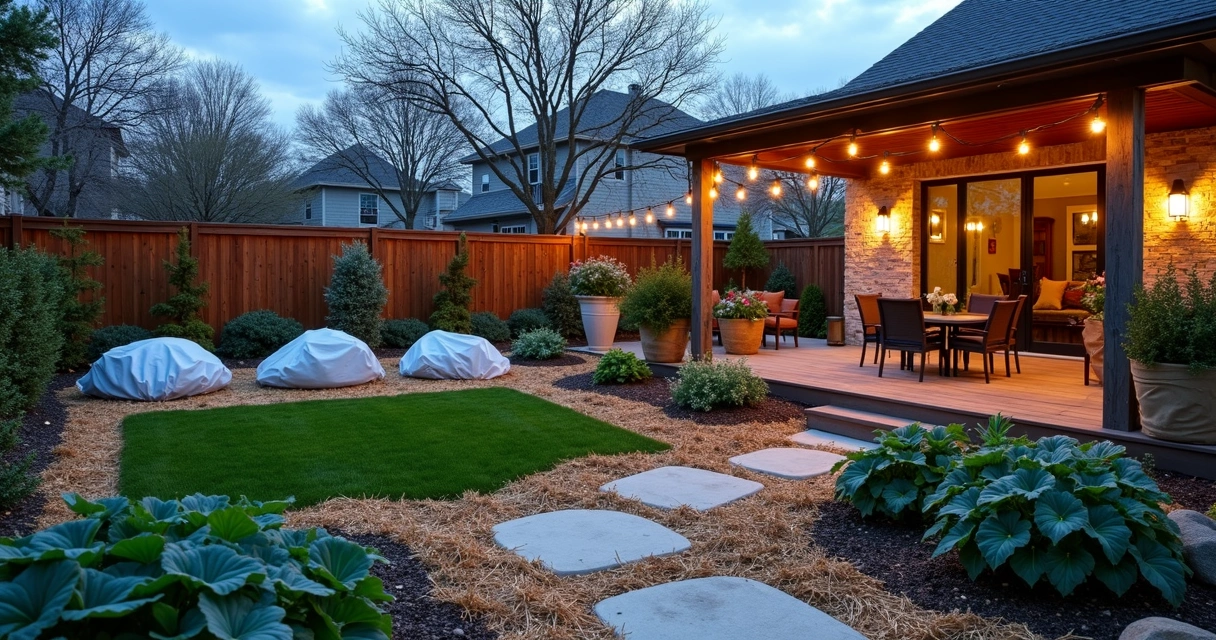
If you’ve ever seen your neighbors’ gardens swaddled in sheets and wondered if it works, I can assure you—it does, with a few pointers. The goal of covering is to trap heat rising from the ground around plants, not just wrap the plant itself. Leave the cover loose so you don’t crush stems or new growth. I recommend choosing covers that are light, breathable, and weather-resistant, such as:
- Old sheets or lightweight blankets (avoid plastic unless it’s all you have)
- Commercial frost cloth, available at local garden centers
- Burlap for larger bushes or small trees
Always anchor covers with rocks, bricks, or stakes to prevent the wind from carrying them away overnight. Tall plants may need their own frame to keep the cover from touching foliage, which can get frost-damaged even through the material.
Remove covers as soon as the sun is out and temperatures rise above freezing. Leaving them on too long can trap moisture and cause fungal problems, especially if the next day is sunny and warm.
Move or insulate containers and potted plants
Potted plants are especially prone to freeze damage. Their roots have no insulation from soil warmth, making them the first victims when the frost hits. Throughout Central Texas, I recommend grouping all movable containers together in the most protected area you have—under a covered porch, by a wall, or even inside a garage for the coldest nights.
- Wrap pots in old towels, bubble wrap, or even layers of newspapers to reduce temperature swings.
- Raise containers off the ground with bricks or pot feet—this keeps cold from seeping in through patios or decks.
- If moving isn’t possible, pile extra mulch over the root zone and around the exterior of the pot itself.
Even hardy agaves and aloes, so popular in Austin landscapes, should come in if possible. My experience has shown that a single hard freeze can turn years-old potted succulents to mush if left out.
Urban Oasis approach to protecting high-end landscapes
As part of Urban Oasis, I’ve worked with clients who expect outdoor spaces to look polished year-round—even after a tough winter. We take a hands-on approach to communication and monitoring, and that means being proactive, not reactive. For me, it’s about more than just keeping plants alive.
- We start with plant choices that offer both beauty and resilience, using cold-hardy selections as foundations in our landscapes.
- We help clients recognize microclimates—those gentle warm spots, tricky cold corners, and everything in between.
- We provide clear, simple instructions for freeze threats: when and how to water, mulch, and cover, plus easy-to-follow diagrams for critical spots.
If you want a modern, functional outdoor space that looks beautiful even after the last cold front, our approach means you can entertain with confidence—without worrying if the weather will undo your investment.
Don’t let winter undo the outdoor oasis you’ve created.
Choosing and rejuvenating plants that can survive Austin winters
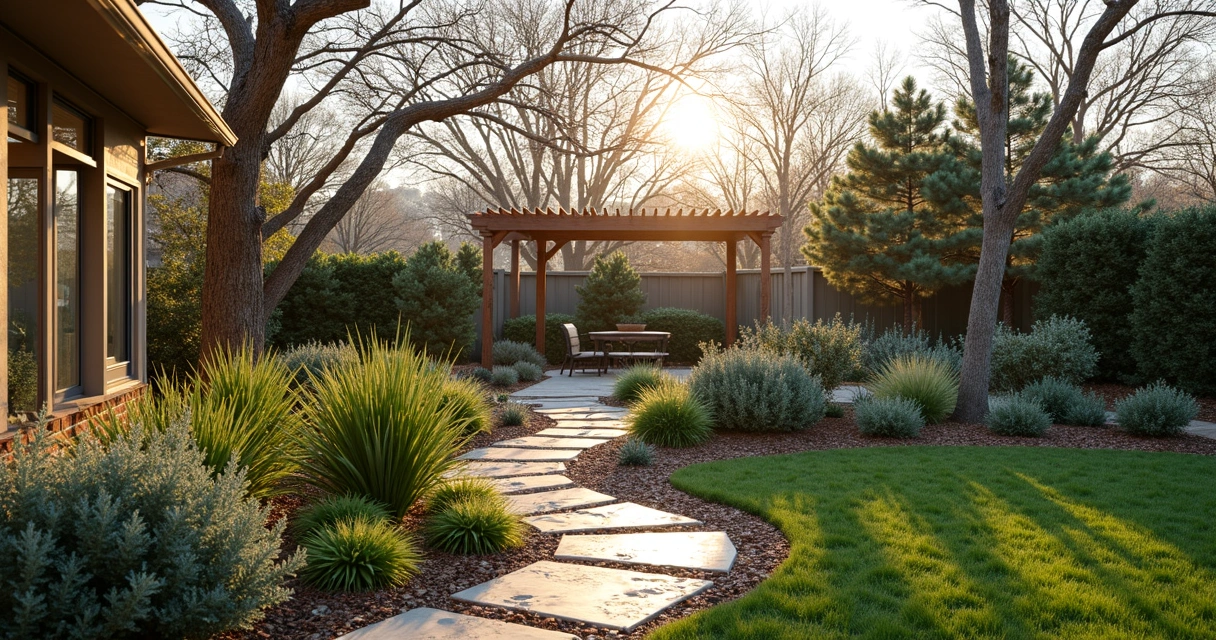
Not all plants have to be coddled through winter. In fact, many reliable choices for Central Texas gardens can take brief freezes without missing a beat. Natives and well-adapted species are the backbone of our climate, bringing color, form, and structure after tender tropicals call it quits for the season.
Still, even the best-chosen plants can appear stressed after a freeze. I’ve outlined some pointers—many drawn from our own landscape maintenance practices—to rejuvenate winter-weary plants:
- Wait until all danger of frost has passed before cutting back any freeze-damaged foliage or stems.
- For woody perennials or shrubs, scratch the bark with your fingernail—if it’s green underneath, the plant is alive even if the leaves are gone.
- After the last freeze, prune back dead material, feed with an organic fertilizer, and water deeply to jump-start spring regrowth.
- If you see signs of transplant shock or unusual stress, visit our guide on plant shock symptoms and recovery.
I’ve found these techniques especially helpful for clients who want their patios, decks, or outdoor living spaces looking inviting again, quickly, as soon as the warmer days return.
Creating a winter-ready landscape year after year
Preparing your garden is more than just a checklist—it’s building habits that shield your investment season after season. Throughout my work with Urban Oasis, these habits have stood out for keeping landscapes resilient when cold fronts sweep through:
- Watch the forecast closely throughout winter. A simple alert on your phone can make the difference.
- Renew mulch and check protective supplies (covers, stakes, extra containers) before the first freeze is forecasted.
- In September or October, start cleaning up beds and cutting back most perennials, making it easier to mulch and cover quickly later on.
- Keep an updated list of each plant’s location, type, and freeze sensitivity. I use a garden notebook or simple spreadsheet.
- After every freeze, walk your property to inspect, note what worked, and adjust your freeze plan as needed.
Year-round, you can also refer to helpful tips and seasonal advice on sustaining your landscape and specific gardening topics on the lawn and gardening blog at Urban Oasis to stay ahead of any weather event.
Common mistakes to avoid when protecting plants in Austin
Even seasoned gardeners slip up sometimes. In my experience, the most common mistakes when preparing for an Austin freeze include:
- Waiting until after dark on the freeze night to protect plants—it’s usually too late for maximum benefit.
- Using plastic directly over foliage. While plastic can insulate, it also holds in moisture that can burn leaves and cause rot unless there’s a cloth layer underneath.
- Covering only the tops of plants, leaving the lower trunk and root area exposed. Always drape covers to the soil line and seal them along the edges.
- Leaving covers on even after the temperature rises. I once learned this after removing a sheet a day late—yellow, wilting leaves everywhere!
- Assuming native or established plants never need protection—hard freezes can still harm them if they are young, stressed, or in containers.
Taking a few minutes to review your freeze prep routine every year helps you refine your plan and avoid repeating costly mistakes.
Winter care for lawns, trees, and hardscape features
While flowers and veggies get most of the attention in winter, lawns and trees shouldn’t be forgotten. Many of my Urban Oasis clients have asked about their Bermuda or St. Augustine grass turning brown in patches, or wondered if tree bark cracking is a sign of long-term harm. Here’s what I share when it comes to lawns and woody plants:
- Allow lawns to go dormant naturally; don’t try to “force” green growth with extra watering or fertilizer after the first freeze.
- Water deeply if winter has been dry, especially after a freeze, to avoid drought stress compounding cold injury.
- For young or thin-barked trees, wrap trunks with tree wrap or burlap during severe cold to prevent sunscald and cracking.
- For patios, decks, and pavers, sweep away leaves and debris to avoid slippery surfaces when thaw sets in.

For those planning to redesign or upgrade their outdoor spaces, considering the placement of windbreaks, evergreens, and durable materials is also helpful. If you’re interested in learning more about adaptable plant choices, you can browse our plant recommendations for Central Texas gardens.
Preparing for the unexpected: Keeping materials and supplies ready
I always keep a “freeze kit”—a tote filled with lightweight frost cloths, extra mulch, heavy rocks for anchoring, old towels, and plant labels. When that freeze warning pops up on my phone, I’m ready, and there’s no frantic rush to the store. This simple but effective kit means I can look after my own landscape and help neighbors or clients last minute.
A little advance prep beats last-minute panic, every time.
- Check that you have enough covers to protect your vulnerable plants.
- Stock up on extra mulch and make sure your watering hoses don’t leak or freeze shut.
- Label sensitive plants, especially if you have helpers during bad weather who might not know what needs attention first.
If you plan for a freeze before winter arrives—rather than the night before—it becomes a quick, almost automatic task to safeguard your garden. The peace of mind this brings, in my experience, is worth every minute.
Conclusion: A practical winter plant care habit for every Austin garden
Keeping your landscape healthy during Austin’s unpredictable freezes isn’t about gadgets or endless hours outdoors. It’s as simple as knowing your plants, watching the weather, watering on time, using mulch well, and covering up when the temperature drops. If you practice these steps as habits, winter won’t bring chaos every year.
I’ve watched Urban Oasis clients host holiday parties and spring gatherings in spaces that bounced back after a tough cold snap. It isn’t luck—it’s knowing how to care for the outdoors and being ready.
Whether you’re designing a new backyard or refreshing an existing one, we’re here to make outdoor living simple, stylish, and resilient. If you’re ready to create or protect your ideal space for friends, family, or your own relaxation, fill out our form—we’ll help you make the most of Austin’s outdoor season all year.
Frequently asked questions: Winter plant care and freeze protection in Austin
What is the best freeze protection for plants?
The best freeze protection combines soil moisture, mulch, and breathable covers like frost cloth or fabric sheets, applied before the temperature dips below freezing. This triple approach traps soil warmth, minimizes cold wind exposure, and keeps plants insulated until the threat passes.
How can I protect my garden from frost?
Start by knowing your most sensitive plants and their locations. Water soil deeply before a freeze, spread mulch 2-4 inches thick over roots, and use fabric or frost cloths to drape over plants down to the ground, anchoring edges to trap ground heat. Remove covers in the morning after temperatures rise. Group containers together in protected areas, and insulate pots if they can’t be moved.
Which plants survive winter in Austin?
Plant choices such as rosemary, autumn sage, Texas mountain laurel, yaupon holly, nandina, and ornamental grasses all do well during Austin winters. Many native perennials and evergreens withstand short freezes, especially after they are established. For more recommendations, check the recent article on cold-hardy plants for Texas gardens.
When do Austin gardens need freeze protection?
Protection is needed whenever the forecast predicts temperatures at or just below 32°F (0°C), especially when sharp temperature drops are expected overnight. This is most common from late November to early March, with the first freeze often requiring the most preparation. Always check the local forecast and prepare as soon as a freeze warning is issued.
How do I cover plants during a freeze?
Drape lightweight fabric, such as an old sheet or commercial frost cloth, loosely over the plant, anchoring it to the soil at the edges with stones or stakes. Avoid using plastic directly against foliage—add a cloth layer between plant and plastic if needed. Remove covers the next day when temperatures rise above freezing to prevent overheating or fungal growth.