
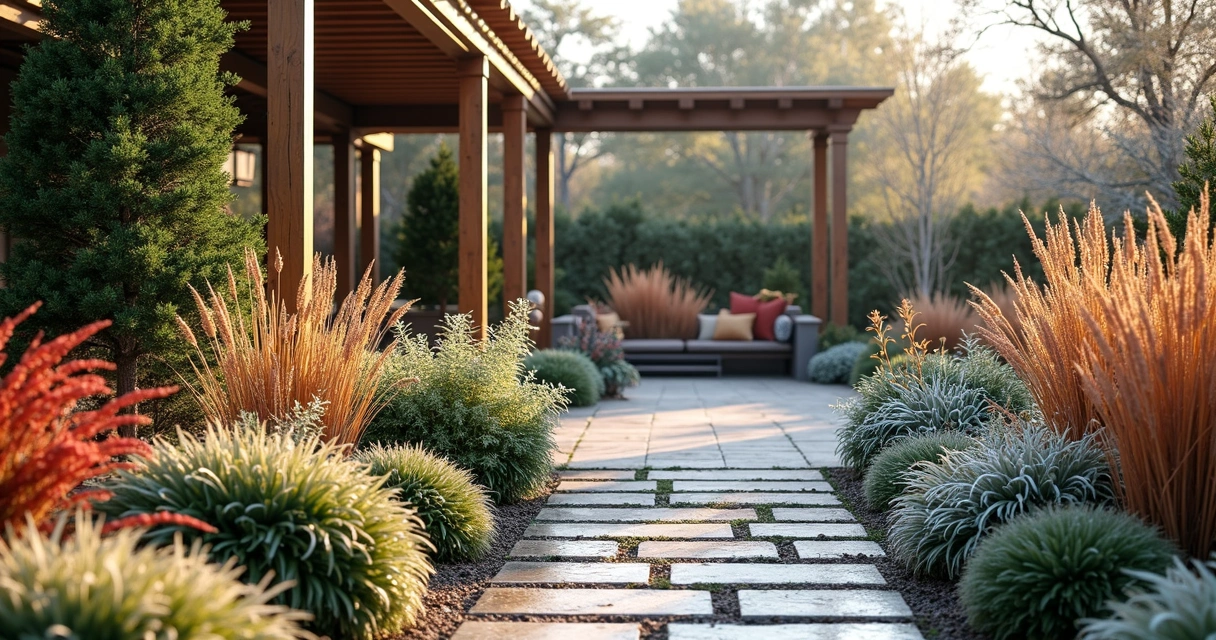
The first cold night in Austin isn’t just the end of an easy summer—it’s the signal for every outdoor space to change. Suddenly, colors fade from gardens, patio furniture stands empty, and the chill makes even the bravest succulents wonder if survival is possible. But imagine if your yard or outdoor lounge didn’t step back with the cold. Instead, it could become a winter garden Austin neighbors talk about all season, bursting with texture, clever structure, and surprising color.
Winter isn’t the pause; it can be a new beginning.
This guide shares the practical ways to keep Austin’s landscapes uniquely alive through December, January, and February. We’re going to talk about cold-resistant plants, smart design, and a few simple habits that fuel both sustainability and beauty. Drawing from Urban Oasis’s expertise, this is not theory—it’s what really works for city gardens and Texas patios in the real world.So, let’s walk through winter with confidence (and maybe gloves).
Understanding austin’s winter: the real story
Before making winter plans, it helps to know exactly what’s coming. Most Austin winters are less about snow and more about unpredictability. Austin’s average winter temperatures are pretty gentle, swinging from lows near 40°F to highs around 62°F. But, sometimes, a rogue chill pushes the mercury below freezing for a few days.
- Winter usually lasts from December through February.
- Expect about 15 days each winter at, or just below, freezing point.
- Precipitation is consistent, about 2.5 inches per month, and it’s mostly rain. Rarely snow.
These conditions suit some plants but can surprise those that rely on steady warmth. So, your planning starts with knowing this pattern and building a garden that doesn’t panic when the temperature drops.
Structure: the backbone of a winter garden
Think of a garden in winter. The bold tropicals vanish. Leaves drop away. You’re left with the frame: the bones of the landscape. Done right, this is stunning—sometimes even more striking than summer’s chaos.
Hardscape elements create winter interest
- Decks and patios: Materials like stone, wood, or composite add warmth and texture, even if dormant plants surround them.
- Pergolas and arbors: Let them stand plain or string with evergreens or twinkling lights for style.
- Pathways: Gravel, stepping stones, or flagstone guide guests and break up dormant areas. Plus, they stay accessible after a frost.
- Retaining walls and raised beds: Add height and structure, elevating key plantings above soggy ground or frost pockets.
- Water features: Simple fountains or reflecting pools won’t freeze (usually) in Austin’s climate, adding sound and movement.
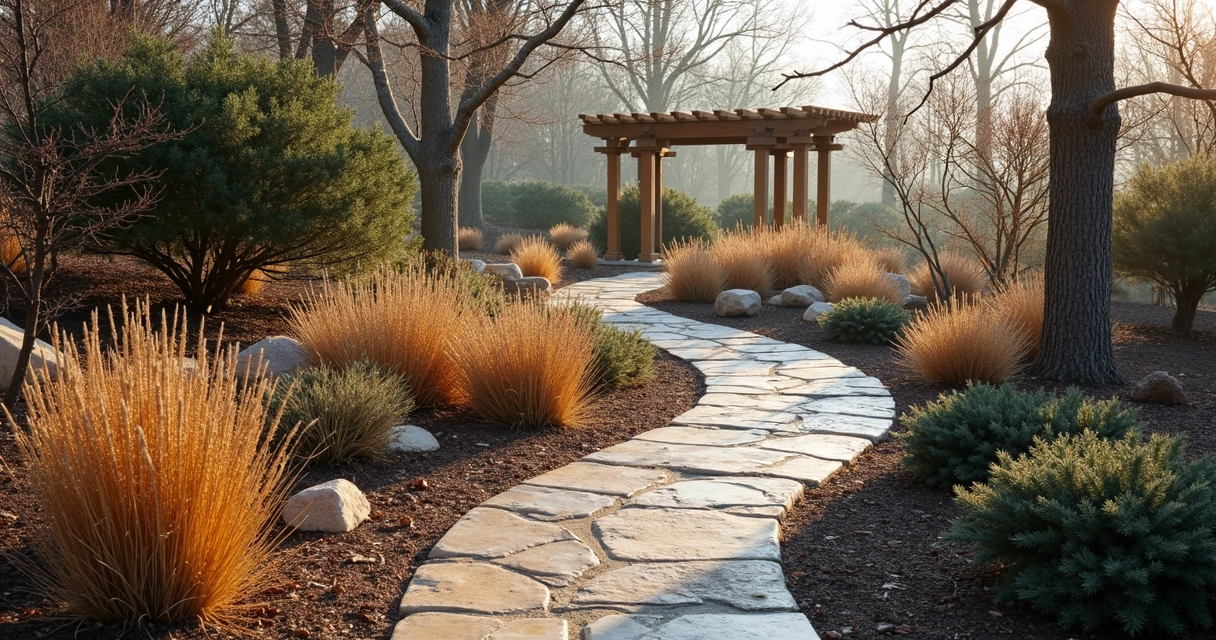
With Urban Oasis, these hardscape choices are as much about function as style. Sturdy design resists both winter rain and the sudden heat that might follow a brief freeze. If you want ideas for year-round spaces that ask little but give a lot, low-maintenance, high-impact options are a great place to start.
Using plants as architecture
In winter, your “living structure” is made of more than walls or wood. It’s the evergreens, tall ornamental grasses, or twisty branches of oaks and crepe myrtles. These living columns frame the rest of the garden and give it form on gray days.
- Evergreen shrubs: Japanese Yew (Podocarpus macrophyllus), Pittosporum, and Holly provide shape all winter.
- Clumping bamboo: Stays green, grows tall, and creates privacy plus winter sound with its leaves in the wind.
- Grasses for height and movement: Muhly grass, Feather reed grass—all hold their golden color and sway, even in the coldest week.
- Perennial stands: Leave some seed heads and dried stalks. They look sculptural with frost, and birds love them for seed and shelter.
Structure is what lingers after the leaves are gone.
Color in the cold: keeping the garden alive
“Winter color” in Austin isn’t about daffodil beds or blizzards of pansies. It’s subtle, but with the right frost resistant plants, your garden doesn’t have to feel dreary or faded.
Cold-hardy evergreens are your best bet
- Dwarf Burford holly: Dark green, snappy red berries, and an unbreakable spirit.
- Texas mountain laurel: Thick, glossy foliage stands up to both dry spells and cold fronts.
- Junipers and cedars: Mistaken for ordinary, until you see them frosted in morning light.
- Nandina domestica: Leaves glow bronze or red in the cold. Berries persist for months.
If you crave technical details about which plants defy the freeze, this list of cold-hardy Texas plants narrows it down even further.
Bedding color: annuals and perennials that don’t quit
- Violas and pansies: Workhorse annuals. Plant thickly for real impact.
- Snapdragons: Surprising amounts of bloom, even with ice around the roots.
- Cyclamen: Odd, elegant blooms, graphic foliage, and proof that subtropical won’t always be boring.
- Winter-blooming Camellias: Bursts of magenta or white, just when you start missing summer.
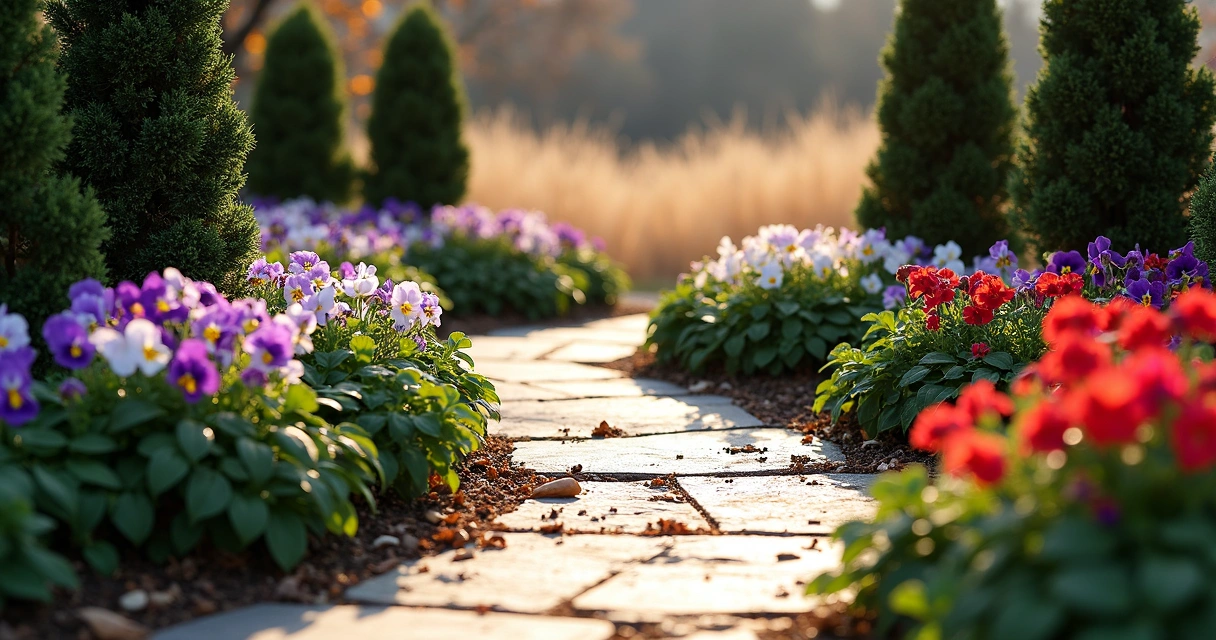
Stagger bloom times for color from November to March. Focus on leaf color—variegated foliage, blue-green succulents, and bronzy grass heads often last longer than fleeting blooms.
Austin’s frost-resistant favorites: specific plant ideas
You want plants that won’t quit, even if the weather suddenly shifts. Leaning on research and local experience, there’s a proven shortlist of “winter survivors” for Austin yards:
- Lenten rose (Helleborus): Blooms in late winter, tough as nails, deep green leaves all year.
- Mahonia: Spiky, architectural, with surprising yellow blooms when everything else sleeps.
- Winter honeysuckle: Fragrant white blooms, even during a January cold snap.
- Oakleaf hydrangea: Bold branches, peeling bark, and dried flower heads that never look tired.
- Rosemary: Evergreen, upright, and perfect for picking all year long.
- Salvia greggii and autumn sage: Many forms, endless color, long-lasting blooms.
For lawns, rye grass and fescue can be overseeded if you want a green look, but they’re not everyone’s favorite. Some people leave their grass dormant, letting texture—not just color—set the mood.
A garden isn’t all about color. Texture tells its own story.
Incorporating texture for winter interest
Structure is the backbone. Texture is the character. The difference between a bland winter yard and one with personality often comes down to bark, berries, dried blooms, and leaf shapes that play off the gray sky.
- Peeling bark: Like river birch, Cedar elm, or Chinese pistache, offer visual movement.
- Glossy vs. matte leaves: Mixing waxy magnolia with blue-tinged cypress or soft lamb’s ear surprises the eye.
- Seed heads: Black-eyed Susan, coneflower, or ornamental onions left up add interest, shelter for birds, and catch frost in the morning.
- Berries and stems: Nandina, Winterberry holly, Yaupon holly, or coralberry draw in wildlife and keep things vivid.

If you like more ideas for achieving year-round structure and textural contrast, the Urban Oasis landscape success tips break down more handy tricks.
Seasonal design ideas: working with the cycles
Some people try to force their gardens to ignore winter. At Urban Oasis, the approach is different: making the season work in your favor. Here are a few inviting design ideas for spaces that really belong to winter.
Layered evergreen borders
- Mix tall evergreens, medium-sized shrubs, and groundcovers for protection and depth.
- Add variegated or blue-gray foliage for another layer, such as Silver Germander or Juniper.
Winter containers and pots
- Group pots near entries, filled with hardy boxwoods, pansies, trailing ivy, and winter kale.
- Switch arrangements for each season. Winter does not mean empty pots.
Embracing native prairie
- Leave areas a little wilder: native bunch grasses, dormant wildflowers, and “natural” beds suit winter’s quiet side and help wildlife too.
Garden lighting makes all the difference
- Soft LED path lights. Spotlights for trees or sculptures. Low illumination shows structure and color without overpowering the quiet vibe.
Winter nights transform the garden with light and shadow.

Climate-aware garden care habits
Even hardy gardens need a little help through winter swings. Routine, of a sort, matters.
- Mulch beds in late fall: A layer two to three inches deep conserves moisture, keeps roots at even temperatures, and slowly decays to feed the soil.
- Prune the right way: Cut broken or out-of-place branches, but avoid heavy pruning on freeze-prone plants until spring.
- Water deeply before freezes: Moist soil holds heat better than dry, protecting roots during a cold snap.
- Protect tender containers: Move potted tropicals and succulents close to the house, or cover them as needed at night.
If wild temperature swings worry you, remember that Austin’s consistent winter rainfall (about 2.5 inches monthly) helps cool-weather plants thrive. Still, adjust irrigation, skip watering before a hard freeze, and check for drainage so nothing stays too soggy.
Blending sustainability with beauty
Great gardens don’t waste resources. They save water, shelter wildlife, and reduce the need for constant fuss. Here are a few ways Urban Oasis ties environmental thinking to beautiful winter designs:
- Use native, drought-tolerant plants: Most survive both winter chill and summer drought.
- Limit chemical use: Healthy soil needs fewer additives. Compost and mulch go a long way.
- Attract “good” wildlife: Plant berrying shrubs for birds, leave some winter seeds for finches and chickadees, and add water sources that don’t freeze.
- Mix up plant ages: Blend new and old plants for diversity, resilience, and visual interest.
For more on sustainable ideas that won’t tie you down, Urban Oasis’s full guide to landscaping techniques and benefits covers strategies big and small.
Real stories: how urban oasis creates winter gardens in austin
Every outdoor project Urban Oasis takes on in Austin is as different as the city’s neighborhoods. We remember helping a family in Travis Heights that wanted a place to host December dinners, not just spring brunches. We used tall yews, fine-leaf evergreens, and big tufts of purple pansies. The family was surprised how the backyard “felt warmer” than expected—simply because the garden didn’t look bleak.
Another project for a business downtown relied on clean lines, low-care grasses, LED path lighting, plus a focal point Camellia in a modern pot. They reported employees gravitated outdoors for winter breaks, not just spring.
People notice a winter garden not for what blooms, but for what endures.
What ties these gardens together isn’t a specific plant or even a look. It’s the belief that outdoor spaces speak to people all year—perhaps with a quieter voice in the cold, but sometimes with greater impact. Urban Oasis puts this philosophy into every project: building texture, calm, and a bit of surprise into every corner. Want to see how that approach could look at your home or business? It starts with a simple plan—and a conversation.
You can explore even more on the topic on Urban Oasis’s lawn and gardening resource section, packed with local advice.
Timing your plans: when to start winter garden projects
The secret to a lively Austin winter landscape is planning a bit ahead of schedule. Most new plantings and upgrades go in best from mid-fall to early winter (October–December). This is when the soil is still a bit warm and rainy days encourage strong root growth before cold peaks in January.
- Plant trees, shrubs, and perennials in fall: They’ll anchor the design all season.
- Spring-bulb planning: For the biggest impact, get them in the ground by November at the latest.
- Install hardscaping and lights: These can be done well into winter, but plan for a few dry weeks.
- Add color with annuals from November through January: Pansies, violas, and snapdragons thrive if installed in cool weather.
If you’re uncertain about the sequence or want help mapping out your ideas, Urban Oasis is ready to take the next step with you. All you need to do isfill out a quick form and start dreaming of your own winter sanctuary—
A winter garden is a gift to your future self.
Conclusion: your winter garden journey starts now
Winter in Austin doesn’t need to mean silence or bare soil. It can be depth, shadow, surprising color, and calm moments overlooked in warm months. Thoughtfully chosen frost tolerant plants, clever design, and a sense of rhythm with the seasons create outdoor spaces that feel like part of your life—not a chore to survive, but a comfort.
Urban Oasis brings this approach to every garden—they listen, adapt, and turn Austin’s unique winter into an opportunity. From subtle stonework to bold Camellias, there’s a world of seasonal design ideas available. If you’re ready to see how your space can become its best winter self, get to know Urban Oasis, start a conversation, or just check out more inspiration on their site. Nature’s not sleeping; it’s waiting for you to notice. Fill out the form below and let’s start designing an outdoor space you’ll love—whatever the weather.
Frequently asked questions
What are the best frost resistant plants?
For Austin’s winters, some of the top frost-proof varieties include Japanese Yew, Texas mountain laurel, Nandina domestica, Mahonia, Lenten rose (Helleborus), and select native grasses like Muhly grass. For splashes of color, pansies, violas, and snapdragons thrive in cooler months. For shrubs and trees, look for species labeled “cold-hardy” or “frost-tolerant.” These choices survive Austin’s swings from mild spells to brief temperature dips easily.
How do I design a winter garden in Austin?
Good winter garden design in Austin combines evergreen structure, layers of perennial and annual color, and hardscape that still feels inviting in cold weather. Use broadleaf and needle evergreens for backbone, add flowering shrubs or winter annuals in visible spots, and rely on pathways or lighting for interest after dark. Pay attention to wind direction, drainage, and sunlight in winter—structures like pergolas and raised beds can protect and highlight plantings. For a step-by-step breakdown, Urban Oasis’s landscape guides can walk you through planning, installation, and care.
Is it worth planting in winter here?
Absolutely—Austin’s weather is mild much of the winter, so it’s an excellent time for getting trees, shrubs, and perennials established. Planting in late fall to early winter lets roots grow without heat stress, and seasonal rains keep soil conditions favorable. Some annuals (like pansies, snapdragons, and cyclamen) only perform in the cooler season. With the right choices, you’ll be rewarded with texture and color long before spring.
Where can I buy seasonal garden plants?
You’ll find frost-hardy plants, annual color, and winter-blooming perennials at most established garden centers or local nurseries in Austin. Look for varieties labeled for Texas winters or “cool-season” plantings. Some specialty stores also carry native Texas plants adapted for low care and reliable winter performance. If you need help with selection or landscape design, Urban Oasis can guide your choices to match your lifestyle, budget, and site conditions.
How much do winter garden upgrades cost?
Costs for winter garden enhancements in Austin vary widely depending on the size, scope, and type of materials. You might spend a few hundred dollars on annuals and cold-hardy shrubs for color boosts, up to thousands for hardscape installations like patios, lighting, or raised beds. A moderate refresh—adding evergreens, seasonal perennials, with some structural improvements—usually fits within most residential budgets. For bigger commercial or residential projects, Urban Oasis can provide an individualized quote tailored to your needs.