
You want an outdoor space that looks beautiful and works day after day. Maybe a shady spot to read. A patio for friends. A kid-friendly lawn that survives summer. If you are planning to hire a landscape designer in Austin, you probably want two things. Clear steps. And no surprises.
This guide walks you through what the process feels like from the first call to the final walk-through. It also explains timelines, budget ranges, and the little things that matter, like native plants that love our heat. I will reference Urban Oasis at a few points, since their process is a helpful example of how a full design-and-build team in Austin collaborates, from drawings to construction.
Plan first. Build once.
That one habit saves time, money, and stress. Simple, but true.
Why Austin landscapes feel different
Austin brings bright sun, thin soils in some areas, and heavy clay in others. Limestone pops up when you dig. Heritage live oaks demand respect. Water is precious. HOA rules can be strict. All this shapes design choices and construction steps.
A good local designer reads the site like a map. Sun angles. Drainage paths. Soil health. Wind and privacy. Our city even offers helpful guidance on these topics. If you want a quick read on best practices for natives, soil, and water-wise design, the City of Austin landscape design guide is a solid starting point.
When you interview designers, ask how they handle drought-tolerant planting, cisterns, and drip irrigation. Also ask how they protect live oaks during construction. You will hear some different answers. That is normal. Choose the path that matches your values and your property needs.
Signs you are ready to bring in a designer
- You want a master plan, not a patchwork of fixes.
- Your yard has unique challenges like a steep slope, drainage issues, or limited access for equipment.
- You need permits, HOA approvals, or pool coordination.
- You value long-term savings with efficient irrigation and durable materials.
- You are short on time and want one accountable partner from concept to build.
Urban Oasis works with both homeowners and commercial clients. The team is used to patios, decks, pergolas, pools, sports courts, and full planting plans. If your wish list touches a few of those, a full-service studio keeps everything aligned.
The first chat and what to prepare
The first conversation is often a 20 to 40 minute call. You share your goals, rough budget, and timeline. The designer explains services and next steps. It is simple, yet helpful. Bring a rough idea of scope. A patio size. A basic pool shape. A style you like. If you have surveys, inspiration images, or a list of must-haves, share them.
Right after this call, many studios send a short questionnaire. It covers lifestyle, entertaining needs, pets, and future plans. It may feel minor. It is not. It shapes the site visit.
 The site visit and analysis
 The site visit and analysis
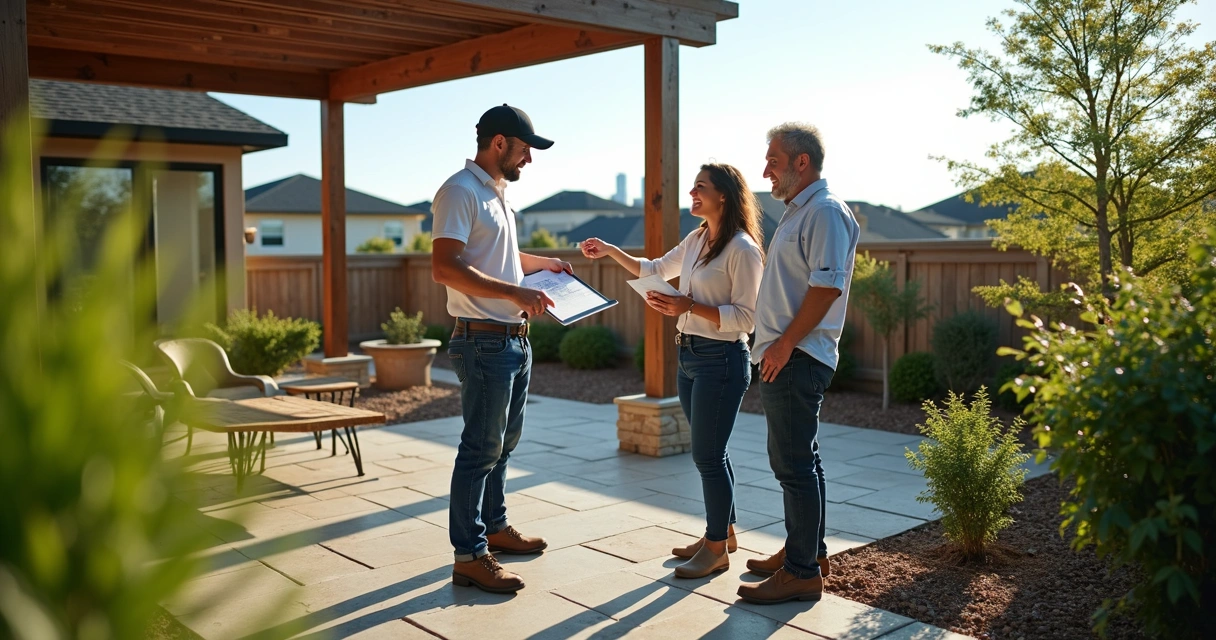
The site visit confirms what the phone call started. Expect the designer to walk the space with you. They will talk through sun, shade, privacy views, and noise from streets. They might probe soil with a rod, observe where water pools, and check elevations. If live oaks are present, they will mark critical root zones to protect during any digging.
Take a few minutes to point out how you use the space today. Where the kids hang out. Where the dog runs. Where you want a fire pit. These little notes become big wins in the plan.
Many teams, Urban Oasis included, follow a clear sequence after the visit:
- Document the site with measurements and photos.
- Create a base plan and preliminary grading notes.
- Draft two or three concept layouts with clear pros and cons.
- Review concepts with you, refine one into a final plan.
- Develop construction drawings, materials, and plant palettes.
Each step keeps you in the loop. You should always know what comes next.
Concepts, mood, and materials
Design is both creative and practical. You will see plan options that balance flow, shade, and circulation with the features you want. A good review session compares tradeoffs in plain language. More lawn means less hardscape. Larger pergola means tighter planting bed. It is a design conversation, not a lecture.
Materials help anchor cost and look. In Austin, you will see a lot of limestone, cedar, steel planters, and porcelain pavers. Gravel in decomposed granite paths. Native grasses. Heat-tolerant perennials. You can go modern, warm, or classic Hill Country. No single right answer. Just what fits your home and how you live.
Budget talk that feels honest
 Budget talk that feels honest
Talking numbers early helps. In our market, design fees are often a flat rate based on scope. Smaller front yard refreshes can sit in the low thousands. Full property master plans with structures and lighting can move into the mid to high range. On build costs, patios, pergolas, outdoor kitchens, pools, lighting, and plantings vary widely by size and finish. A modest patio and planting update may be five figures. Larger builds with decking, shade structures, a plunge pool, or detailed masonry move higher.
I think it is smart to set a budget range with a buffer for upgrades or unexpected site work. Rock outcroppings, drainage fixes, or utility conflicts sometimes show up during construction. Ask how the team handles change orders. Ask about allowances for materials and how they manage supply lead times. Urban Oasis, for instance, sets clear allowances and keeps you in the loop if prices change, so the budget stays grounded in reality.
Renderings, revisions, and approvals
Most homeowners like to see the space in 3D or at least with visual references. You may receive a mix of plan drawings, mood boards, and optional 3D views. Two rounds of revisions are common. Keep feedback simple and direct. Say what you like and what you do not. Good design grows from that exchange.
Once the plan is set, your designer will prepare documents for HOA submittal if needed, and any permits tied to decks, pools, or electrical. You may need a tree protection plan. You may need drainage notes. Your designer or builder should coordinate with inspectors and keep you informed.
Construction steps and what to expect
Construction is busy. Here is a typical sequence for a design-build project:
- Pre-construction meeting on site with you and the lead.
- Protection of trees, lawn, and existing features.
- Demolition and rough grading, then drainage installation.
- Hardscape install, like pavers, decking, and walls.
- Structures, such as pergolas or shade elements.
- Utilities, low voltage lighting, and irrigation.
- Planting, mulch, and final grade adjustments.
- Cleanup, punch list, and a final walk-through.
Expect some noise, dust, and delivery traffic during working hours. A respectful crew will keep things tidy. Weather can push schedules. So can long lead times for specialty items. If your team shares updates each week, you will feel informed and calm. Urban Oasis sets weekly touchpoints, and that habit makes a big difference.
How long the process takes
 How long the process takes
Time varies by scope and season, yet a rough guide helps:
- Discovery and site visit: 1 to 2 weeks.
- Concepts and revisions: 3 to 6 weeks.
- Final drawings and approvals: 2 to 4 weeks.
- Construction start waitlist: 1 to 8 weeks depending on season.
- Build duration: 2 to 12 weeks from mobilization, based on scale.
Planting and sod often favor cooler seasons. Hardscape can happen year-round, with pauses during heavy rain. If you want a space ready for spring parties, start design in late fall or early winter. If you aim for fall, summer design works well. Urban Oasis will align your schedule with weather and plant availability, so the timing lines up with how you live.
Water-wise design and plant choices
We all feel the heat. The right mix of natives, adapted species, and efficient irrigation pays off. Think drip lines under planting beds. Smart controllers. Mulch to lock in moisture. Shade where it helps most. Natives like cedar elm, Mexican feather grass, and salvia greggii handle our seasons with grace when matched to the right conditions. The City of Austin landscape design guide outlines practical steps for soil improvement and water conservation. A good designer builds these habits into the plan from day one.
If you want deeper background on style ideas and long-term care, you can skim this in-house resource on a landscaping guide to techniques and benefits. It covers basics that save time and money over the years.
Common features people ask for
- Shade structures and pergolas for the afternoon sun.
- Outdoor kitchens with gas lines and storage.
- Fire pits or fireplaces for cool nights.
- Pools or plunge pools sized to tight city lots.
- Decks that float over tricky terrain.
- Lighting that makes spaces safe and warm at night.
- Pet-friendly lawns and planting that can handle traffic.
If you love to host, there are useful ideas in this piece on designing outdoor spaces for entertaining. If you are eyeing resale value, trends are shifting toward multi-use zones, low-water planting, and flexible seating. You can read more in a discussion of outdoor living trends that help property value in Austin.
Maintenance and year-round care
Design is the first step. Care keeps it alive. Ask your designer for a seasonal maintenance plan. Pruning timing matters with many natives. Irrigation schedules change with the weather. Mulch breaks down and needs refreshing. Dogs are part of many Austin yards, and turf needs a little extra help. There are smart tactics in this brief note on how to protect an Austin lawn from dog pee damage. For wider care routines, this list of five tips for year-round landscape success offers a simple plan you can repeat.
Permitting, HOA, and codes
Some projects fall under simple rules. Others do not. Pools, decks above certain heights, electrical, gas lines, and major grading steps can require permits. Tree protection rules apply around heritage oaks. HOAs also have their own review timelines. Your designer should set expectations early and prepare drawings that make approvals predictable. It is helpful when a single team handles both design and build, because details carry through without gaps.
Communication that keeps stress low
Great communication is a habit. Here is what to look for:
- A single point of contact who can answer design and construction questions.
- Written updates each week during active construction.
- Clear change-order process with your approval required.
- Daily site cleanup and respectful crew behavior.
- Final walk-through with a punch list and warranty details.
Urban Oasis sets this rhythm as part of its workflow. It sounds simple. It is. Yet it is the difference between a smooth project and a bumpy one.
A quick Austin story
A couple in Brentwood had a small yard with poor drainage and no shade. They dreamed of a place to cook and invite friends. The designer mapped water flow first, then lifted the patio a few inches and added a hidden channel drain. A cedar pergola with slats softened the west sun. Planting focused on color and movement, with salvia, agarita, and little bluestem. At night the space glows with warm, low voltage lights. They wrote later that their favorite part was not the pergola. It was the dry stepping path after a storm. Small detail. Big win.
How Urban Oasis approaches your project
 How Urban Oasis approaches your project
Since you may want a real-world example, here is how Urban Oasis tends to work:
- Clear intake call and on-site consultation.
- Design proposal with scope, fee, and a rough timeline.
- Concept options with honest pros and cons.
- Refined plan with materials and plant list suited to Austin’s climate.
- Transparent build estimate with allowances and a payment schedule.
- Construction by an in-house team that respects your home and trees.
- Final walk-through with care notes and warranty.
If you want to read broad principles first, this practical landscaping guide to techniques and benefits is a helpful primer. It pairs well with the City’s own best practices. Put those together and you get a space that looks good and performs in heat and storm.
What you can do now
Gather a few photos of spaces you like. Note what feels right. Stone color. Shade level. Plant texture. Decide how many people you want to seat often. Put a budget range on paper. With those basics in hand, the design process moves fast.
Design follows lifestyle.
If you are ready to move from ideas to a plan, reach out. Urban Oasis designs and builds landscapes across Austin, blending modern comfort with strong construction and water-wise planting. Share your goals. Ask the questions. Get a timeline and a clear number. Then decide with confidence.
Ready to start your project? Fill out the short form below and the team will reach out to schedule your consultation.
Frequently asked questions
How much does a landscape designer cost in Austin?
Design fees usually scale with scope. A focused front yard plan can land in the low thousands. A full-property master plan with structures, lighting, drainage notes, and plant lists can move higher. Construction budgets vary even more, since patios, decks, pergolas, and pools have a wide price spread. Ask for a design proposal and a rough build range at the same time, so you see how drawings map to real numbers.
What should I ask a landscape designer?
Ask about process, timeline, and communication. Ask how they handle native plants and water-wise systems for Austin’s climate. Ask how they protect live oaks. Ask about change orders, warranties, and who your point of contact will be during construction. If you entertain often, ask for traffic flow insights. If you have pets, ask about turf choices and care. You can also preview ongoing care ideas in resources like a simple guide to year-round landscape success.
How do I choose the right designer?
Look for a portfolio that matches your style and scope. Check that they work often in Austin and understand our soils, sun, and water rules. Make sure they listen, not just present. Clear drawings, clear budgets, and steady updates build trust. Review at least one recent project similar to yours. If you plan to add amenities for entertaining, see how they think about zones and seating in guides like designing outdoor spaces for entertaining. A good fit feels collaborative from the first call.
Is it worth hiring a landscape designer?
If you want a cohesive space that lasts, yes. A designer solves layout, drainage, and plant placement up front. That avoids costly rework. They also coordinate details like lighting, irrigation, and material transitions that make a yard feel finished. Over time, efficient irrigation and well-chosen plants reduce water use and care needs. For ideas that also support property value, see thoughts on outdoor living trends that are boosting value in Austin.
How long does the landscaping process take?
For most projects, design takes 6 to 10 weeks with reviews. Permits or HOA approvals can add time. Construction can run 2 to 12 weeks, based on scale and season. Weather and material lead times play a role. Starting design a season ahead of your target completion date is a safe rule. For maintenance after the build, a light monthly routine and seasonal tune-ups keep the space fresh using practices from a landscaping techniques and benefits guide.