

When Austin’s skies fade into gray, leaves lie silent on soggy decks, and frost nips at native grass, I notice gardens slipping into what looks like sleep. But I know they’re not fully at rest. Underneath those chilly surfaces, roots keep breathing, branches brace for a return of green, and the soil quietly crafts next season’s growth. Living in Austin for years, I’ve seen winters vary wildly, but one thing is clear: a little winter attention sets the stage for everything that follows.
This article unpacks what I’ve learned about the garden’s winter world—why, how, and when to water, prune, and care for patio soil, drawing from both my hands-on experience and insights from projects like Urban Oasis. Done right, winter maintenance is simple and rewarding. The effort now triggers lush spring landscapes and resilient outdoor spaces. And yes, it really is about getting the basics right.
Winter work is invisible, but its results burst into spring.
I’ll guide you through the most meaningful winter tasks for Austin gardens and patios—focusing on careful watering, thoughtful pruning after freezes, and maintaining soil health. By the end, you’ll have a road map for winter garden care, inspired by leading techniques and practical wisdom.
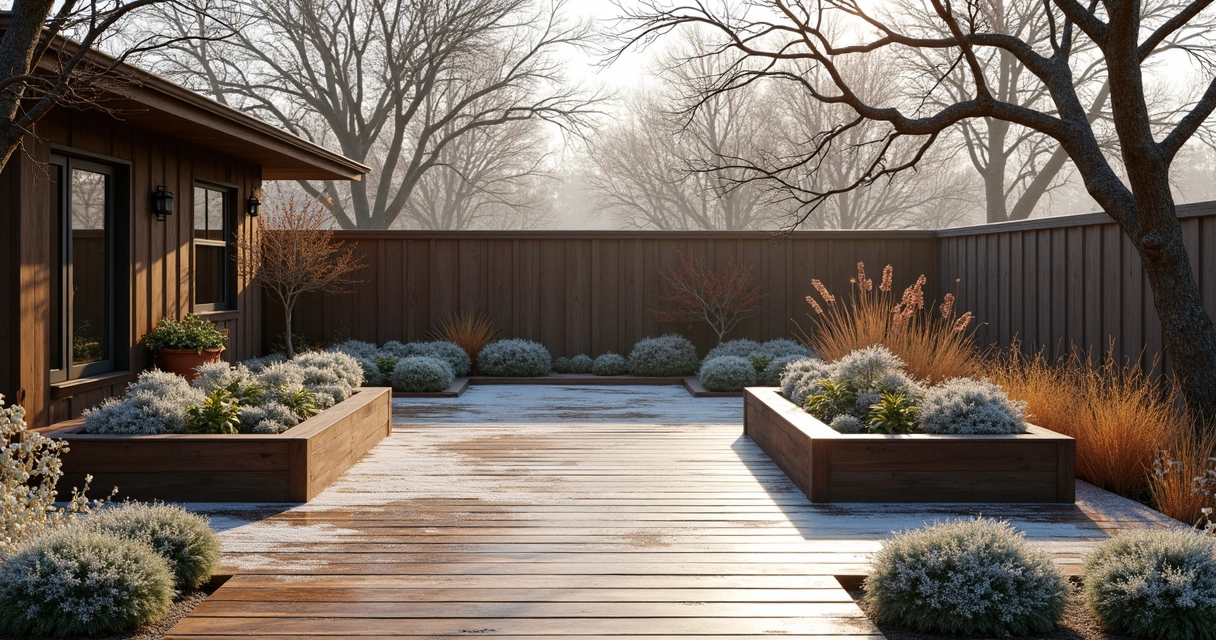
The Austin winter: What does your garden really need?
In Central Texas, winter doesn’t mean deep freezes every night, but it always brings unpredictability. Some years, you’ll see hard frosts and ice; other times, sunny days fool us into thinking spring has begun. My first cold snap here, I watched established plants wilt overnight because I didn’t prepare properly. Austin gardens typically need a balance of smart watering and soil care, with strategic pruning that keeps plants healthy without overexposing them to cold.
The trick is knowing that plants and the soil are still active, even if growth has paused above ground. Roots may keep growing if the soil stays above 45°F. Microorganisms continue breaking down organic matter, slow but steady. And lawns, shrubs, and perennials prepare for spring in ways we can’t see. Whether working with a simple backyard or a complex oasis like those developed by Urban Oasis, your winter prep will shape the garden for months.
Winter watering in Austin: Avoiding stress and drought
The dry spells of late winter in Austin can be tough. Diminished rain, wind, and unexpected cold snaps dry out soil just as plants need moisture for resilience. I learned early that consistent watering during dormant months keeps roots strong and stress-free when temperatures swing.
- Water in the morning so roots absorb moisture before night freezes.
- Check your local rainfall—if you’ve had less than one inch this week, it’s worth watering once or twice, especially for evergreens and young trees.
- Focus watering on the root zone—avoid wetting leaves to prevent freeze damage.
- Use soaker hoses or drip irrigation for slow, deep soaking, as runoff is common during colder months.
Moist soil insulates roots better than dry soil. It’s a real buffer against cold damage.
The U.S. EPA’s green infrastructure resources recommend focusing on sustainable watering methods that save water and reduce runoff. I find these strategies essential in Austin’s unpredictable climate, especially when you’re managing larger landscapes or patios that combine hardscape and native plantings.
Protecting trees and shrubs: Watering routines for dormancy
Mature trees don’t demand weekly watering during winter, but I always check if there’s been a couple of dry weeks. For smaller trees and shrubs, moisture regularity is even more important—the soil should be damp, not soggy. Water deeply every 3-4 weeks if there’s no rain, soaking to the drip line of the tree to ensure the full root zone is covered.
For established lawns, dormant grass like St. Augustine or Bermuda can survive with less water, but a good soak is helpful ahead of any freeze. For further reading about year-round landscape success, check these year-round landscaping tips.
Pruning after freezes in Texas: Timing and best practices
Every Texan gardener eventually learns the effects of winter’s surprise freezes. I’ll never forget clearing away shriveled foliage after a February ice storm, unsure of what to cut or keep. Pruning at the right time is just as much about patience as it is about skill—cut too soon after a freeze, and you risk harming recovery and inviting disease.
Should you prune damaged plants right after a freeze?
If you’re tempted to grab the shears as soon as you see blackened or wilted leaves, wait. Always let the damaged parts remain until several days of warm weather return and you see new growth begin. That dead foliage will protect living tissue below from further cold and drying winds. Once you’re certain the freeze danger has passed—typically late February to early March—prune away dead, soft, or mushy material.
How I approach post-freeze pruning
- Inspect all woody plants, shrubs, and perennials for split bark or discolored stems.
- Prune only the sections with dry, brittle, or rotten tissue—the rest often recovers with spring warmth.
- Make clean cuts with sharpened disinfected tools; jagged tears can let in pests or pathogens.
- Shape only as needed to remove affected growth—avoid shearing for aesthetics during this time.
- For freeze-sensitive species like lantana or esperanza, don’t cut to the ground too soon; let the new shoots push from the base before removing the old stems.
When shaping patios and outdoor areas for better winter resilience, the Urban Oasis team always recommends minimal early pruning after freezes; instead, shaping is best saved for late winter, right before spring buds break.
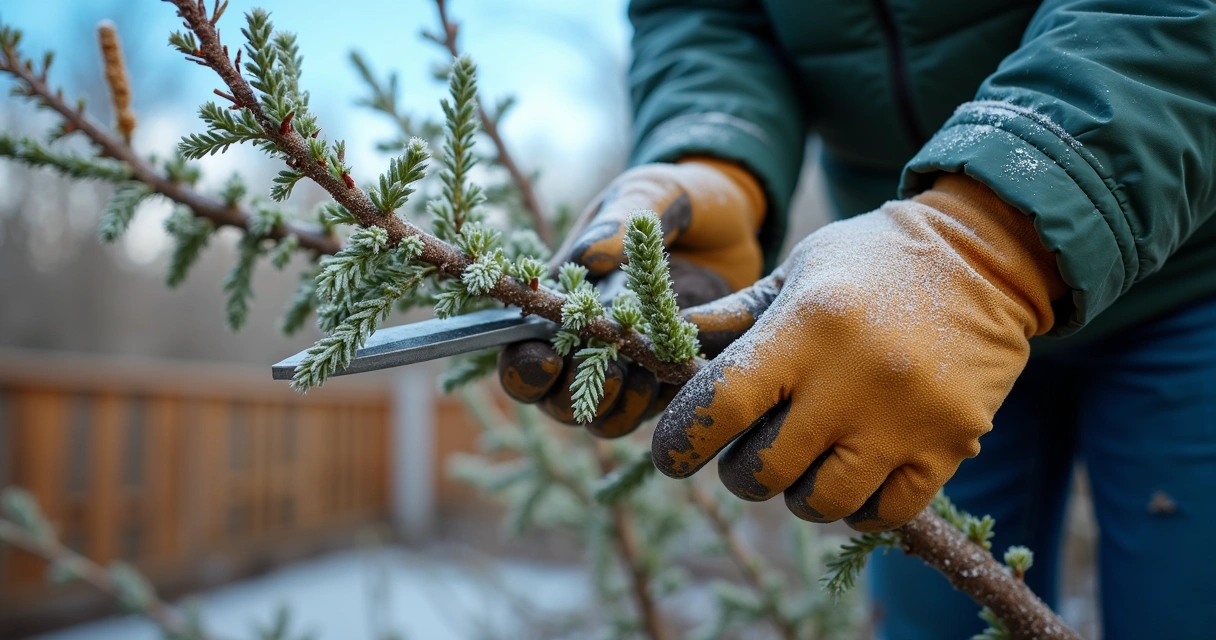
Which plants benefit most from winter trimming?
- Woody ornamentals (roses, crape myrtles): Prune lightly in mid to late winter to remove deadwood and cross-branches.
- Native perennials (salvia, coneflower): Wait until all danger of frost has passed, then cut back old stalks to invite lush growth.
- Herbaceous ground cover: Only trim after visible new shoots, giving an edge to healthy spring recovery.
I avoid heavy shaping or topping off trees in winter since this can stress the plant. For guidelines on selecting hardy plants that recover well from winter weather swings, see these best cold-hardy plants for Texas gardens.
Soil care for winter patios in Austin: Preparation and protection
Even in December or January, soil under patios, walkways, decks, and plant beds is where much of the real action happens. During one particularly dry winter, I dug near an unwatered patio and found the earth so powdery it repelled water for weeks after. That’s why winter soil care is as much about preserving structure and moisture as it is about feeding future growth.
Building healthy soil during winter months
I always recommend adding a layer of organic mulch or compost—even in the coldest weeks. This helps keep the soil at a steadier temperature and slows evaporation. If your patio pots need extra care, use high-quality organic potting mix with plenty of compost to retain water and nutrients. I like to gently scratch compost into the surface; worms and microbes finish the job over winter.
- Add two to four inches of bark or straw mulch around beds and trees, keeping it a few inches away from trunks to discourage rot.
- If you have heavy clay soil (common around Austin), focus on light aeration and compost addition in late winter—never deep digging or rototilling when it’s wet.
- Protect exposed patio containers by grouping them together and wrapping in burlap. Use pebbles for drainage if cold rain is expected.
- Water patios and beds before forecasted cold snaps to help moderate temperature swings in the soil zone.
A well-mulched patio bed in February is full of quiet promise.
For those looking for sustainable, low-water approaches to soil and plant beds, explore low-water landscaping ideas. Good soil care is the starting point, especially in winter when every root counts.
Protecting patio soil and hardscape from erosion and compaction
Austin’s occasional hard rains can pack patio soil or wash garden beds onto walks. Over the years, I’ve found that regular raking, renewing mulch, and keeping downspouts in check go a long way to prevent these issues. Sustainable patio designs—like those from the Urban Oasis team—integrate rain gardens, permeable pavers, and thoughtful grading, drawing on the guidance found in EPA Green Infrastructure resources.
Patio soil that drains evenly and isn’t compacted is better equipped to support roots and resist weeds throughout the season. Just remember that hardscapes like decks or pavers need their own attention: sweep away debris, repair any cracks that allow water to seep into the substrate and freeze, and loosen matting at the boundaries between patio and bed.
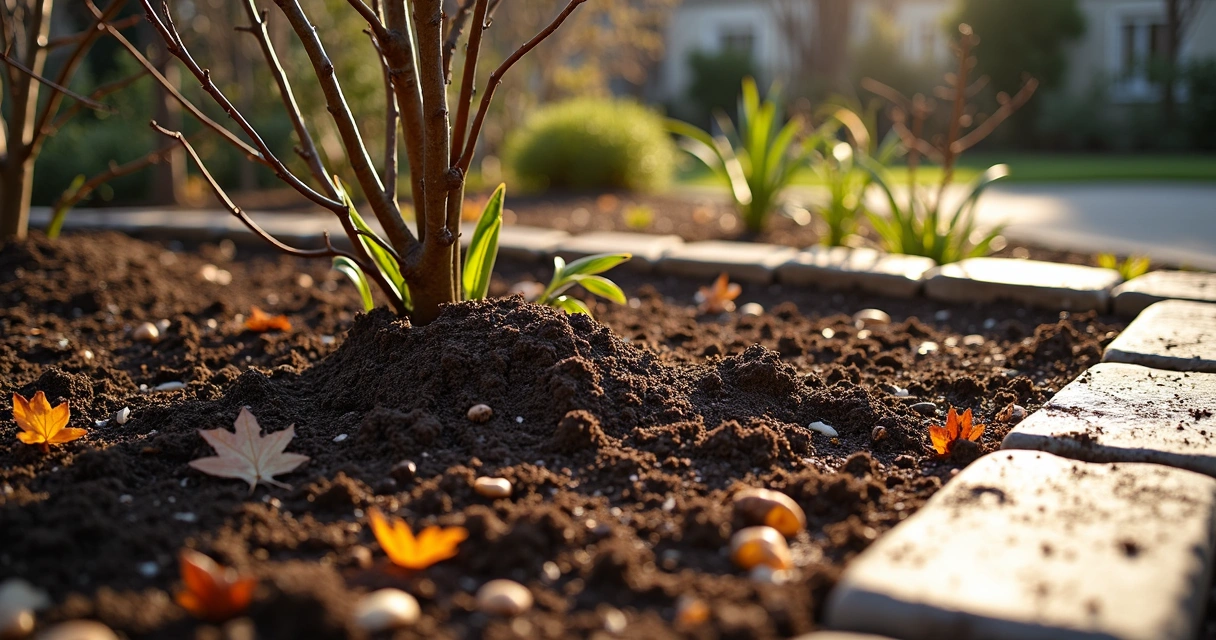
Special winter care tips for patios and outdoor spaces
When patios double as living rooms, it’s smart to keep winter tasks simple and effective. Here’s how I manage mine every year, and what I suggest when guiding clients through the process with Urban Oasis:
- Bring vulnerable potted plants near the house for warmth, or tuck them under eaves on extra-cold nights.
- Rotate containers so all sides get some sun on rare bright days—this keeps soil from staying too damp or icy.
- Cover sensitive groundcover or small annuals with frost cloth, but always remove it on sunny afternoons to avoid trapping moisture.
- Sweep leaves and debris regularly to avoid slip hazards and rot buildup on deck or stone patios.
- Clean gutters and check for pooling water. Redirecting runoff is part of smart, sustainable outdoor stewardship.
If you have pets that frequent your lawn or patio areas, they may contribute to winter patchiness. For strategies to help, visit Urban Oasis’ guide on protecting your Austin lawn from pet damage.
Winter garden planning: Looking ahead
I like to take the slower pace of winter as a chance to look ahead at what the space will become. This is the time to note where water pools, which beds stayed too wet or dried out, and how patios handled traffic during the holidays. Make a list of what repairs or soil refreshes will be needed before spring.
- Mark spots for spring planting to fill bare patches or replace freeze-damaged plants.
- Order compost, mulch, or new soil ingredients early—these always run out just as temperatures rise.
- Schedule a late-winter inspection of hardscape features: look for cracks, drainage issues, or shifting deck boards.
- Review your mulch layers and top off as needed, focusing on bare areas where weeds could get a jump start come March.
Spring success begins with winter notes and simple habits.
For inspiration on garden structure and maintenance through all seasons, browse Urban Oasis’ library of lawn and garden articles.
Tailoring winter care: Matching practices to Austin’s conditions
What works in New England rarely fits Austin. Drought, sudden warmth, gusty north winds, and clay soil blend into a recipe unique to our area. In my consulting work and within Urban Oasis projects, we’ve developed a blend of principles that hold up no matter what the weeks bring:
- Monitor, don’t guess. Check soil with your fingers or a trowel—it should stick together but not drip water.
- Use water wisely. Only supplement when there’s real dryness, and stop at puddling or runoff.
- Trust dormant plants. Many natives look dead when they’re merely waiting; only cut back what’s truly gone.
- Focus on soil—not just feeding, but protecting its structure and life with organic amendments and mulch.
- Let patios serve as weather stations—observe how sun, shade, wind, and standing water affect your maintenance routines.
Understanding native choices vs. exotics in winter
Native Texas plants shine in mild cold, often needing less intervention and bouncing back from freeze. Exotic tropicals or subtropicals need more soil insulation, wind protection, and often benefit from being left unpruned until spring arrives. These are details I saw make the difference in projects coordinated by Urban Oasis—matching plant, patio, and soil treatment to the demands of our specific winters.
How simple winter care powers spring growth
It’s easy to underestimate winter chores because growth seems to pause. But I’ve learned through seasons, both bountiful and tough, that every winter investment multiplies come March and April. Moist soil, protected roots, careful pruning, and beds clear of rot let even struggling plants pop back greener and fuller.
Winter patience, spring reward.
Simple habits—soaker hoses on dry weeks, trimming only when needed, enriching soil with compost and mulch—make all the difference on patios and garden beds alike. If you’re like many people who want their outdoor space to be its best but don’t want to spend every Saturday on maintenance, these rhythms truly work.
Austin’s winter garden checklist
- Water deeply and sparingly, just enough to maintain soil moisture and protect roots from cold.
- Wait to prune until freeze danger has clearly passed, cutting only dead or seriously damaged growth.
- Renew mulch and compost to insulate soil and add key nutrients quietly over winter.
- Inspect patios for cracks, pooling, and debris to keep hardscape safe and welcoming.
- Plan for needed repairs and fresh plants—spring comes fast and strong in Austin.
If you’re ready to create or revamp an outdoor space that’s easy to care for in winter and flourishes in spring, Urban Oasis offers personalized design and maintenance solutions. Our team keeps sustainability, communication, and function at the forefront—so your garden becomes a true extension of Texas living.
Simple winter maintenance ensures your spring landscape bursts back stronger.
If you’re ready to transform your outdoor environment, or just want smart solutions that save you work and water through every season, reach out now. Explore green infrastructure advice for resilient patios and gardens, and fill out the form below to get started with Urban Oasis on the garden you’ve imagined:
Frequently asked questions
How often should I water plants in winter?
In Austin, water most actively growing or evergreen plants every 2 to 4 weeks in the winter if rainfall is low. For newly planted trees and shrubs, check soil moisture weekly and water if the top few inches are dry. Lawns typically need less, unless it’s a dry winter. Always water early in the day and focus on deep, slow soaking at the root zone.
When should I prune after a Texas freeze?
Wait until after the last hard freeze and once new growth appears in late winter or early spring before pruning cold-damaged parts. Cutting too soon can further stress the plant. Remove only what is brown, mushy, or wilted beyond recovery, and always use clean, sharp tools.
What is the best soil for winter patios?
A mix of well-draining garden soil blended with compost or high-quality organic matter is best for winter patios in Austin. Add mulch to retain moisture and insulate roots, avoiding heavy clay buildup or poorly draining spots. Good soil structure prevents compaction and erosion through wet cycles.
How can I protect roots from winter cold?
Insulate roots with a generous two- to four-inch layer of organic mulch over garden beds and around patio containers. Water soil before cold weather, and group potted plants together near the house for extra shelter. Healthy soil moisture is a natural insulator, preventing frost from penetrating deep.
Should I fertilize my Austin garden in winter?
Most gardens in Austin should not be fertilized in winter, as roots absorb little nutrition during cold months. Focus on adding compost or mulch now and plan for targeted spring fertilizing once new growth emerges. Too much winter fertilizer can harm, not help, most yard plants.